7 Dog Recall Training Tips to Turn ‘Come Here’ Into a Sure Thing
I’ve learned this the hard way—recall isn’t something dogs just “get.” At first, I’d call my dog and get completely ignored, especially outside. But once I started training it properly, everything changed. A reliable recall isn’t just convenient—it’s a safety skill that can prevent accidents and give your dog more freedom.
Save For Later
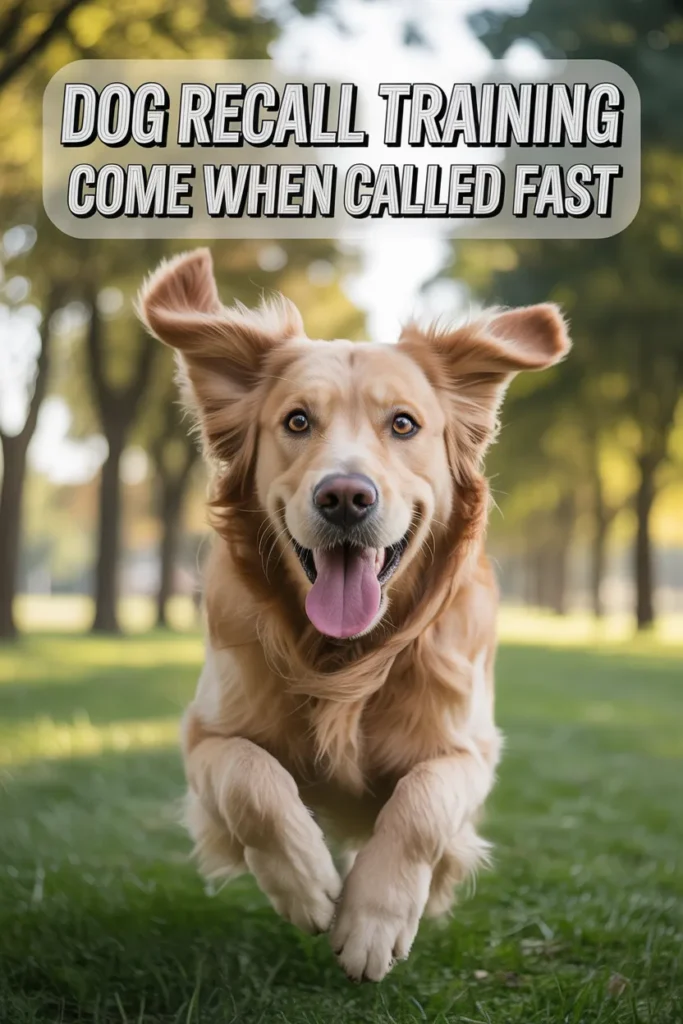
In this guide, I’m sharing exactly what worked for me: simple steps, real-life practice, and a few small changes that made a huge difference. If you stay consistent, you’ll start seeing results faster than you expect.
Key Takeaways
- Start recall training in a quiet space before adding distractions
- Use high-value rewards to make coming back exciting
- Pick a unique recall cue and use it consistently
- Avoid punishment—always reward when your dog returns
- Practice daily in short, fun sessions
- Gradually introduce distractions for real-world reliability
1. Start Small: Master Recall Indoors First
When I first tried recall at the park, it failed badly. Too many smells, sounds, and distractions. So I went back to basics and started indoors—and that’s where things clicked.
I kept sessions simple. I called my dog from just a few steps away using a happy tone, then rewarded immediately. According to training studies, dogs learn faster in low-distraction environments because their focus is higher.
Once my dog responded consistently inside, I slowly moved to the yard. That gradual progress made a huge difference.
2. Make Coming Back Worth Their While
One thing I noticed quickly—my dog only came back when it felt worth it. If I had boring treats, the response was slow. When I switched to high-value rewards like chicken, the response improved instantly.
Dogs repeat behaviors that pay off. In fact, reward-based training has been shown to improve obedience rates significantly compared to punishment-based methods.
What worked for me:
- Soft, high-value treats (chicken, cheese)
- Favorite toy during play sessions
- Excited praise every single time
Pro tip: I don’t reward the same way every time. Sometimes I give treats, sometimes play. That unpredictability keeps my dog interested.
3. Use a Special Recall Cue
I stopped overusing the word “come” because it lost meaning. Instead, I picked a unique phrase that I only use for recall.
This helped a lot because dogs respond better to cues that stand out. Trainers often recommend using a distinct sound or phrase because it grabs attention faster.
Now, when I use that cue, my dog knows it’s important—not just background noise.
Pro tip: I never use this cue casually. It’s only for recall, so it stays powerful.
4. Practice With a Long Leash (But Don’t Depend on It Forever)
Using a long leash was a game changer for outdoor training. It gave my dog freedom but still allowed me to stay in control.
I’d let my dog wander, then call them back. If they hesitated, I gently guided them in and rewarded heavily when they reached me.
Most trainers recommend 20–30 feet for recall training because it mimics off-leash freedom while staying safe.
Over time, I relied less on the leash. The goal isn’t control—it’s trust.
Related Posts:
5. Never Punish Them for Coming Back
I used to get frustrated when my dog took too long. But I realized something important—if coming back leads to punishment, they’ll avoid it next time.
Dogs associate outcomes with actions. If recall ends in something negative, they learn not to return.
Now, no matter how slow the response is, I always reward. That consistency built trust and improved recall speed over time.
6. Practice, Practice, Practice—But Keep It Fun
What worked best for me was turning recall into a game instead of a chore. Short sessions kept my dog engaged and prevented boredom.
I mix recall into daily routines—before meals, during play, even inside the house.
Fun ideas I use:
- Calling from another room like hide-and-seek
- Rewarding before feeding time
- Practicing during walks
Most effective sessions last 5–10 minutes. Anything longer, and dogs lose focus.
Pro tip: End training on a positive note so your dog stays excited for the next session.
7. Gradually Introduce Distractions
Once recall worked at home, I slowly increased difficulty. I didn’t rush it—and that patience paid off.
I started with small distractions, then worked up to parks and busy areas. Studies show dogs need gradual exposure to distractions to build reliable behavior.
If my dog failed in a busy area, I simply stepped back to an easier environment. That helped rebuild confidence.
Bonus Tip: Use Their Name Wisely
I realized I was overusing my dog’s name—for commands, scolding, everything. That reduced its impact.
Now, I use my dog’s name mainly for positive attention or recall. This keeps it meaningful and helps get a faster response.
Final Thoughts: Practice Makes Perfect
From my experience, recall training isn’t about perfection—it’s about consistency. Small daily efforts lead to big results over time.
A well-trained recall means more freedom for your dog and less stress for you. And honestly, there’s nothing better than seeing your dog run back to you without hesitation.
Stick with it, keep it positive, and celebrate progress—even the small wins.
All content on this site is written and reviewed by our experienced team to ensure it is accurate, reliable, and helpful for our readers. Our Our Process page explains how we carefully research and create high-quality content, while our Team page introduces the professionals behind our work. We also provide clear guidelines for content or image concerns on our Image Removal page, so you can trust that we prioritize transparency, quality, and reader safety.