
DIY Glass Cleaner For Streak-Free Windows And Mirrors
Clean windows can change the whole feel of a room, but getting there without leaving cloudy patches or wipe marks can be surprisingly frustrating. The trick is less about using a complicated cleaner and more about getting the mixture, amount of spray, and wiping technique right.
This homemade glass cleaner uses distilled water, rubbing alcohol, and white vinegar to create a simple everyday formula. Pair it with clean microfiber cloths and the right technique, and you can tackle fingerprints, light grime, and mineral residue without buying another specialized bottle.
Why DIY Beats Store-Bought (Most Days)

Making your own glass cleaner gives you control over both the ingredients and the strength of the mixture. It can also be inexpensive to prepare, particularly when you already keep vinegar, alcohol, and microfiber cloths around the house.
Want a Better-Trained, Happier Dog?
Get practical guidance for obedience, behavior, and everyday dog training with a collection of helpful training guides designed for dog owners.
This post may contain affiliate links. If you purchase through our link, we may earn a commission at no additional cost to you.
Another advantage is flexibility. You can adjust the routine depending on whether you’re dealing with fingerprints, kitchen grease, hard-water marks, outdoor windows, or a quick mirror touch-up.
The goal isn’t to use more cleaner. It’s to use a simple formula sparingly and remove it properly so very little residue remains behind.
Your Core Recipe: The Everyday Streak-Buster
This is the go-to mix that works on 90% of windows and mirrors.
Disclosure: As Amazon Associates, we earn from qualifying purchases at no extra cost to you.
- 1 cup distilled water
- 1 cup 70% isopropyl alcohol (or vodka if you’re feeling fancy—no judgment)
- 2 tablespoons white distilled vinegar
- Optional: 2-3 drops clear, non-oily essential oil (lemon or lavender)
Directions:
- Pour the liquids into a clean spray bottle.
- Gently swirl the bottle rather than shaking it aggressively.
- Add a label so you know exactly what is inside.
- Apply a light mist to the glass, wipe with a clean microfiber cloth, and finish by buffing with a second dry cloth.
Why This Works
- Alcohol helps the cleaner evaporate quickly while cutting through oily fingerprints.
- Vinegar helps loosen mineral residue and soap-related buildup.
- Distilled water avoids introducing the minerals that can remain behind when ordinary tap water dries.
When To Switch It Up: Weather And Grime Tweaks
The same formula doesn’t have to be used identically in every situation. Temperature, sunlight, and the type of dirt on the glass can all affect how easily the cleaner wipes away.
Sunny day? Work when the glass is shaded or clean later in the day. Direct heat can make the liquid disappear before you have time to wipe it evenly.
Heavy fingerprints or hairspray? Add 1 drop of clear dish soap to the mixture. Keep it to one drop rather than adding a large squirt.
Cold weather cleaning? Increase the alcohol to 1.5 cups and decrease the water to 0.5 cup to encourage faster drying.
Hard Water Problems
Hard-water residue can leave a pale, chalky appearance on otherwise clean glass. Distilled water is useful for the cleaner itself because it doesn’t introduce additional minerals.
For stubborn deposits, lightly pre-treat the area with straight vinegar and allow it to sit for about 2 minutes. Follow with the regular glass-cleaning mixture.
Tools That Make You Look Like A Pro
The cleaning solution is only part of the equation. A dirty or unsuitable cloth can leave behind more residue than the cleaner removes.
- Microfiber cloths: Keep one plush cloth for lifting dirt and another tighter-weave cloth for the final buff. Wash them without fabric softener.
- Spray bottle: A fine mist makes it easier to control how much moisture reaches the glass.
- Squeegee (optional): Large windows can be much faster to clean with a squeegee. Work with overlapping strokes and wipe the blade between passes.
- Detail tool: Cotton swabs or a soft, clean paintbrush can reach corners, tracks, and other narrow spaces.
The Two-Cloth Method (Streak Insurance)
- Apply a small amount of cleaner. If liquid is running down the glass, reduce the amount you’re spraying.
- Use cloth #1 to work across the surface in a Z-pattern, lifting fingerprints and grime as you go.
- Take cloth #2 and immediately buff the glass dry with quick circular movements.
Using separate cleaning and finishing cloths helps prevent a damp, dirty towel from simply moving residue around.
Glass Cleaner Variations For Specific Jobs
Fragrance-Free Sensitive-Surface Mix
- 1.5 cups distilled water
- 0.5 cup 70% isopropyl alcohol
- 1 tablespoon white vinegar
This lighter formula works well for frequent mirror touch-ups.
Grease-Fighter For Kitchen Glass
- 1 cup distilled water
- 1 cup 70% isopropyl alcohol
- 2 tablespoons vinegar
- 1 tiny drop clear dish soap
Use a small amount and give the glass a thorough final buff.
Outdoor Window Rinse Add-On
After rinsing an outdoor window with a hose, remove the excess water with a squeegee. Finish with the core recipe and buff the surface with microfiber.
Avoid cleaning windows that are sitting in strong direct sunlight because the mixture can dry before you finish wiping.
What Not To Use
- No ammonia around tinted film or specialty coatings.
- No oily essential oils because colored or oily formulas can leave a film behind.
- No paper towels if you want to minimize lint and avoid repeatedly using rough paper on the surface.
Technique Tricks That Actually Matter
The difference between an average result and genuinely clear glass often comes down to technique rather than adding more ingredients.
Start at the top: Work downward so moisture and loosened residue don’t run onto areas you’ve already finished.
Use just enough spray: A lightly misted surface is easier to wipe clean than one covered in liquid.
Switch cloth sides often: Once a section of microfiber becomes damp or dirty, turn to a clean portion rather than continuing to spread the residue.
Check from two angles: Change your viewing angle after cleaning. Halos and faint wipe marks become much easier to spot this way, and a quick pass with a dry cloth can remove them.
Mirror-Specific Gotchas
Mirrors need a little extra care around their edges and backing. Rather than soaking the mirror itself, spray the cleaner onto your cloth when working near frames or vulnerable edges.
Keeping moisture away from the backing can help prevent damage and the darkened edge appearance that can develop when moisture repeatedly reaches the area behind the glass.
Dealing With Persistent Streaks And Haze
When clean glass still looks dirty, the problem isn’t always the cleaner. Look closely at the type of residue you’re seeing.
- Cloudy film? Your microfiber cloths may have detergent or fabric-softener residue. Wash them thoroughly with no fabric softener and use an extra rinse.
- Rainbow sheen? You may simply be using too much product. Cut back on the spray and spend more time buffing.
- Foggy corners? Check the tracks and gasket edges for trapped residue. A cotton swab can help reach these narrow areas.
- White specks? Mineral deposits are a likely culprit. Pre-treat with straight vinegar before returning to the regular cleaner.
Make It, Store It, Use It
Storage: Keep the finished cleaner tightly closed and away from direct sunlight. This helps reduce unnecessary evaporation of the alcohol.
Shelf life: About 6 months if the bottle remains clean and tightly capped. If the mixture develops an unusual smell or becomes cloudy, make a fresh batch.
Label like a pro: Write the formula on masking tape and attach it to the bottle. That way, you won’t have to remember the proportions when it’s time for a refill.
FAQ
Can I skip alcohol and just use vinegar and water?
Yes. A vinegar-and-water mixture can still clean glass, but it generally won’t evaporate as quickly as a formula containing alcohol.
If you leave the alcohol out, clean smaller areas at a time and give the surface an additional dry buff to reduce streaking.
Is vinegar safe for all glass?
Vinegar can be used on plain glass, but surrounding materials matter. Acidic cleaners should not be allowed onto sensitive stone such as marble because they can damage the stone surface.
When working close to delicate materials, putting the cleaner onto your cloth instead of directly onto the surface gives you better control.
What if I only have 91% alcohol?
Dilute it before using it in the core formula. Combine 3/4 cup of 91% alcohol with 1/4 cup water to approximate a 70% alcohol mixture, then proceed with the recipe.
A stronger alcohol concentration can evaporate extremely quickly, which may make it more difficult to achieve an even finish.
Can I use this on my car windows?
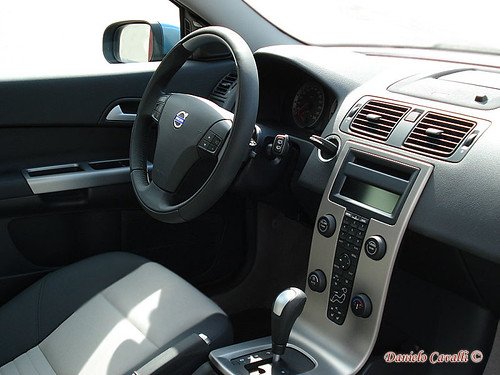
The mixture can be used on exterior and interior glass, but take care around tinted surfaces. Avoid ammonia-containing cleaners when your vehicle has aftermarket tint.
For dashboards and electronic displays, don’t spray the cleaner directly onto the screen. Put a small amount on your cloth instead.
Why do my cloths leave lint?
Old microfiber cloths or fabric-softener residue are common reasons. Wash microfiber separately using warm water and mild detergent, skip fabric softener, and use low heat or air-dry them.
If a cloth has become waxy, sheds heavily, or no longer cleans properly, it may simply be time to replace it.
Does hot water help?
Warm water can help loosen greasy residue during the initial wipe, but there is no need to make the actual cleaning solution hot.
For the homemade mixture, room-temperature distilled water is the practical choice for preparing and using the cleaner.
Wrap-Up: Your Streak-Free Victory Lap
Clear glass doesn’t require a complicated cleaning routine. Start with the core mixture, keep the spray light, use clean microfiber cloths, and finish with a proper dry buff.
Adjust the approach when you’re dealing with hard-water deposits, kitchen grease, cold temperatures, or outdoor windows. Once the technique becomes routine, getting noticeably cleaner windows and mirrors becomes a much quicker job.