Dog Backyard Ideas: 12 Zones I Built for Play, Rest, and Potty
When I first searched for dog backyard ideas, my yard was one open patch of grass, with toys scattered everywhere and mud tracked inside after rain. My dog loved it, but the same spots wore thin, and I had no clear place for play, rest, or potty breaks. I learned that a yard works better in small zones, each with one clear job. I added one zone at a time. Each idea below can stand alone as a weekend project.

1. Build a Simple Obstacle and Play Course Zone
I keep the play zone on flat, open grass, away from flower beds and the potty area. I started with three simple pieces: a low PVC pipe jump, a fabric play tunnel, and weave poles from garden stakes. I space pieces well apart and keep the jump low, so my dog can run, stop, and turn safely. For movable, fold-away builds, I like these DIY dog obstacle course ideas. I keep the course in view of a window, and I stay outside during use.
Want a Better-Trained, Happier Dog?
Get practical guidance for obedience, behavior, and everyday dog training with a collection of helpful training guides designed for dog owners.
This post may contain affiliate links. If you purchase through our link, we may earn a commission at no additional cost to you.
2. Make a Shaded Rest Nook With a Raised Bed
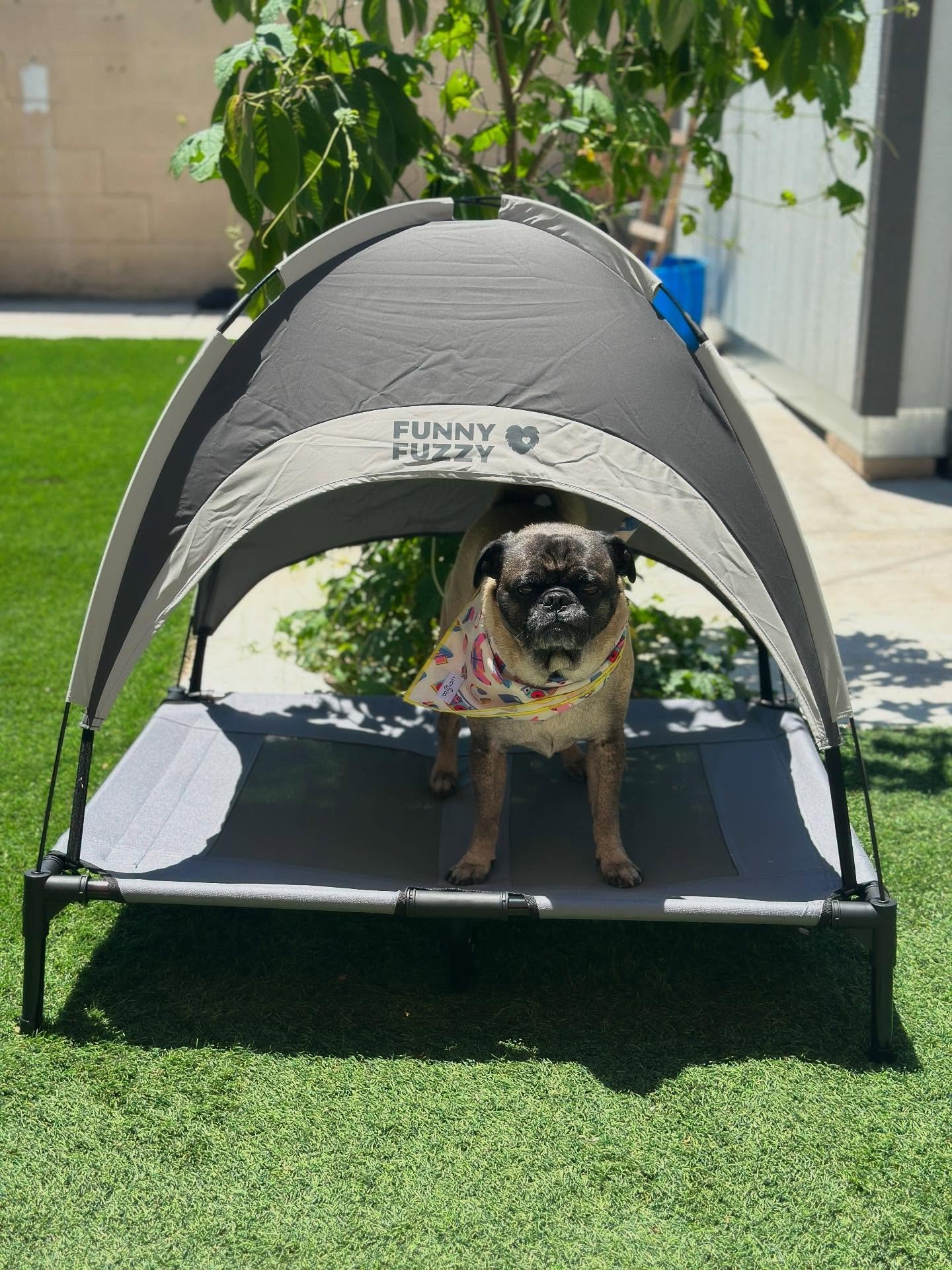
Every dog needs a cool, quiet spot after play. I chose a corner shaded by a tree or fence, then added a raised bed so my dog stays off hot soil and damp grass. Air flows under a mesh top, and a washable cover handles mud and hair. I keep the water bowl a few steps away, in the shade. When I planned extra cover, I checked dog house ideas with shade for options that do not block airflow. On hot days, I test the ground by hand, because sun-baked stone can burn paws fast.
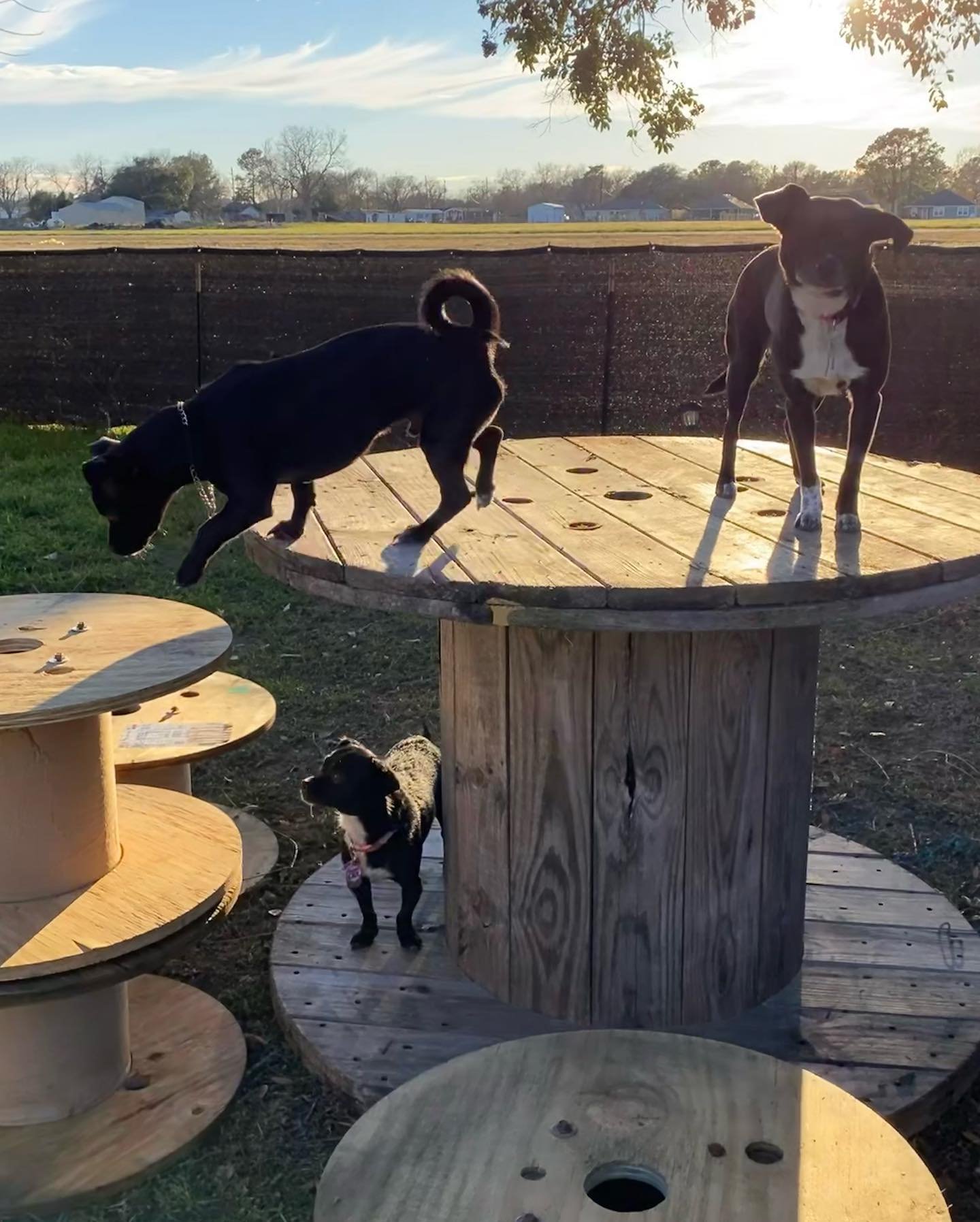
📸 Photo credit: Instagram @bodescaandmizzle
3. Give Digging a Legal Spot With a Digging Pit
I used to fight digging all over the yard until I gave my dog one place where digging was allowed. I marked a square about three feet wide, loosened the soil, and filled it with soft sand or loose topsoil. I buried toys and treats just under the surface at first, so my dog learned that good things happen in that one spot. I edge it with flat stones and rake it weekly to check for sharp objects.
4. Set Up a Dedicated Potty Zone With a Clear Surface
A potty zone saves the rest of the yard. I picked a quiet corner, away from play and rest, and covered it with one clear surface: pea gravel, mulch, or pet-safe artificial turf. I kept it about four feet by six feet, with a low border to hold the surface in place. I walked my dog there on a leash for the first week. I scoop daily, rinse with a hose a few times a week, and keep bags and a lidded bin by the back door.
5. Add a Splash and Water Corner for Hot Days
On warm days, a small water corner cools my dog down fast. I use a shallow, hard plastic kiddie pool on flat ground, filled only a few inches deep, with a non-slip mat under it. I place it where water drains well, never on a slope toward the house. I empty and refill it daily, and I scrub it weekly. I never leave my dog alone with standing water, and heavy panting means shade time.
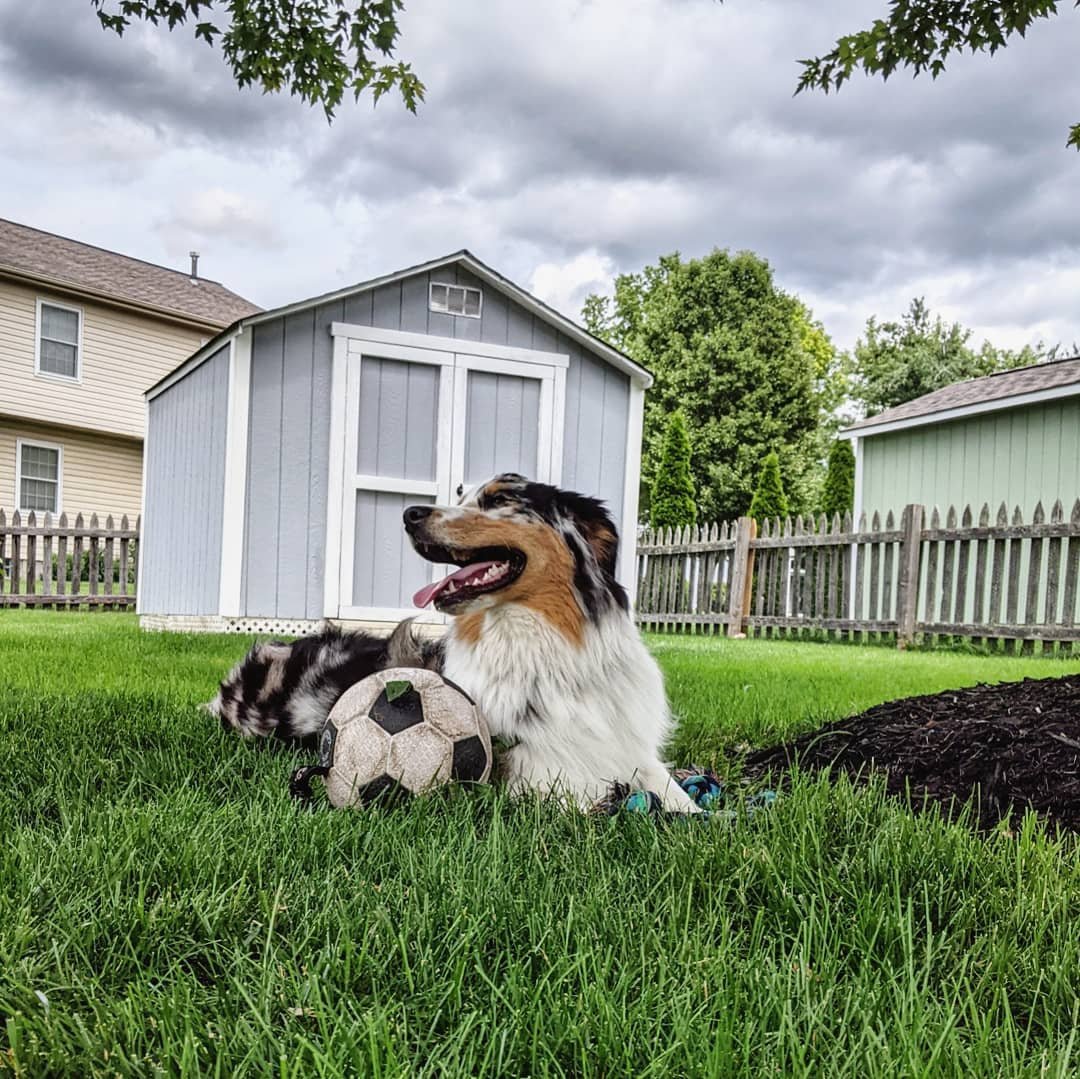
📸 Photo credit: Instagram @jasperandcerise
6. Create a Toy Storage Zone Near the Back Door
Toys used to end up all over my lawn and under bushes. I fixed that with one storage spot near the back door: a lidded outdoor bin or a low crate with drainage holes. I sort chew toys and fetch toys, and I rotate a few each week so old toys feel new again. I toss any toy with torn stuffing or loose parts. I took the habit from keeping dog stuff tidy and organized, and I keep the bin under a roof overhang so rain stays out.
7. Leave a Clear Fetch and Sprint Lane
Dogs need a straight run. I left one long, clear lane down the side of the yard, about six feet wide, with no planters, hoses, or furniture in the way. I mow that strip a little shorter, so I can spot holes, sticks, and sharp stones before play. I use a soft toy or rubber ball, and I throw along the lane, not across it. For narrow yards, I studied creative dog run ideas for a backyard or side yard and kept the parts that fit a simple, straight lane.
8. Plant a Sniff Garden With Dog-Safe Plants
A sniff garden gives my dog a calm job: sniff, explore, and move slowly through scent. I planted a low raised bed with dog-safe herbs and grasses, including rosemary, basil, mint, and ornamental grasses, and left a narrow path around it for circling. Before I plant anything new, I check that it is safe for dogs, because many common garden plants, bulbs, and mulches are not safe to chew. I skip cocoa mulch and plants treated with sprays.
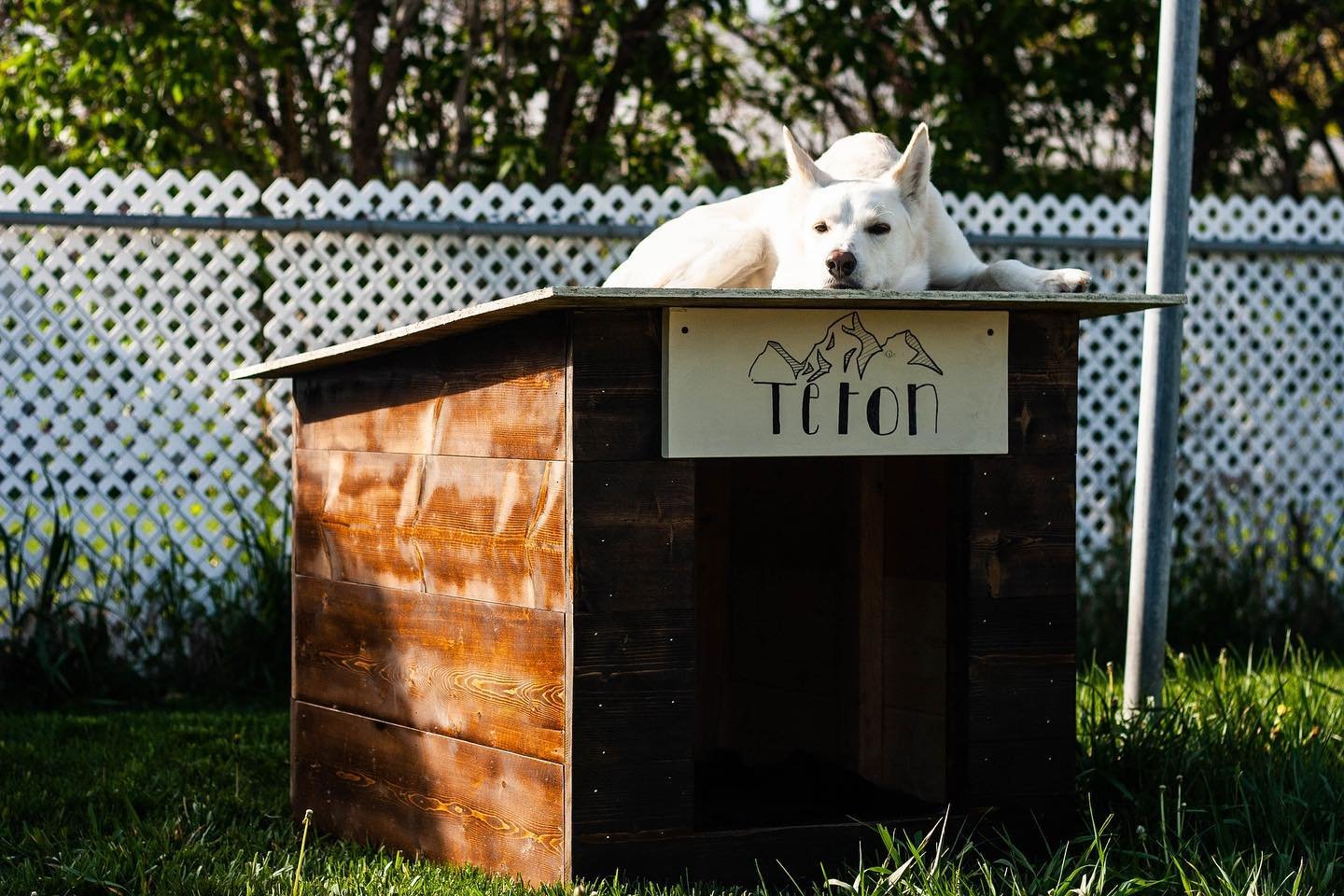
📸 Photo credit: Instagram @life.with.alaskans
9. Lay Paths and Edging That Survive Paw Traffic
Dogs follow the same routes every day, and those routes turn to bare dirt fast. I laid a path along the routes my dog already used: flat stepping stones set in gravel, spaced a few inches apart. I set the stones level with the soil so I can mow over the edges, and I used wide, rough stones that stay steady under running paws. For edging, I used low steel or stone edging around beds, set flush with the ground, with no sharp lips sticking up.
10. Check the Fence and Dig-Proof the Boundary
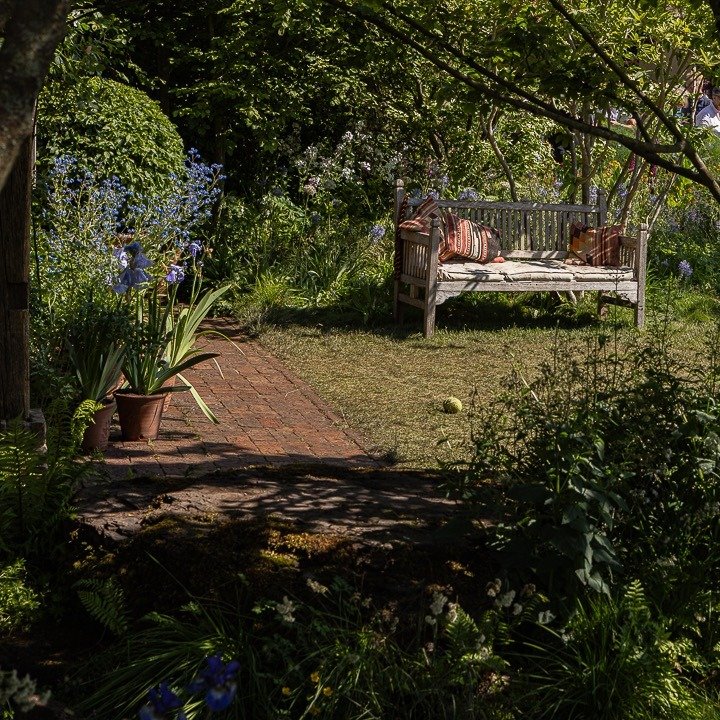
A pretty yard means nothing if my dog can slip out. I walk the whole fence line once a month and check for gaps at gates, loose boards, rusted wire, and holes under the fence. I check the base most closely, where digging is the common escape route. Where soil is soft, I bury welded wire or flat paving stones along the base, angled slightly outward, and cover them with soil. I add a self-closing latch on each gate, and I fix any gap before the next off-leash time.
📸 Photo credit: Instagram @photography_by_dennis_dixon
11. Protect the Garden With Raised Beds and Barriers
I love a full garden, and my dog loves to run through it, so I protect the plants I care about most. I moved vegetables and delicate flowers into raised beds about eighteen inches high, built from untreated cedar or stone. For low beds, I added a short fence of garden stakes and wire mesh, tall enough to stop a casual step-through but low enough to reach over for weeding. I keep compost in a closed bin with a heavy lid, because compost and food scraps can be unsafe for dogs.
12. Pair Sun and Shade With a Water Station
The last zone ties the yard together: a water station that works in sun and shade. I placed a large, heavy bowl on a flat stone slab in a spot that gets morning sun and afternoon shade, so the water stays cool most of the day. I refill it with fresh water each morning and again in the afternoon on hot days. I keep a shade sail or patio umbrella nearby for days when tree shade shifts, plus a second bowl near the rest nook. Fresh water and shade, always within reach, is the simplest safety rule in my yard. I check DIY outdoor dog area plans whenever I rearrange a corner.
📸 Photo credit: Instagram @haroldpug_life
How I Plan a Backyard Layout
I plan in this order. First, I watch my dog for a few days and note where my dog runs, rests, sniffs, and goes potty, because those habits show me where each zone belongs. Second, I measure the yard and sketch a map of gates, trees, drains, sun, and shade. Third, I place the potty zone and rest nook first, since those need quiet and shade, then fit the play lane and digging pit into the space left. Fourth, I set a broad budget before I buy anything. Most single zones cost roughly $30-$80 in basic materials, while a fence repair or raised beds can run roughly $150-$400. I buy the fence fix and shade first, because safety comes before decoration. Fifth, I build one zone, live with it for a week, and move it if my dog ignores it.
Frequently Asked Questions
How much yard space does a dog need for a play zone?
A clear run of about twenty to thirty feet is enough for fetch and short sprints, even in a small yard. I keep the lane straight, free of clutter, and wide enough for safe turns. In a very small yard, I use the side yard as the lane.
What surface is best for a dog potty area?
I like pea gravel or pet-safe artificial turf, because both drain well and are easy to rinse. I avoid loose sand, since it sticks to paws and tracks inside. I pick one surface and stick to a daily scoop and rinse routine.
How do I keep my dog cool in a sunny backyard?
I give my dog shade, fresh water, and a cool surface to lie on, and I plan play for cooler parts of the day. I check hot surfaces with the back of my hand and watch for heavy panting. I never leave my dog unsupervised in the yard for long stretches, especially in heat.
Are raised beds safe around dogs?
Raised beds are safe when I build them from untreated wood or stone, keep the edges smooth, and fill them only with plants I have checked as dog-safe. I keep compost closed, skip cocoa mulch, and keep sprays out of beds my dog can reach.
Can I build these zones on a budget?
Yes, I built most of mine with basic materials: timber offcuts, gravel, a shallow pool, and a storage bin. I start with the fence check, shade, and water station, then add one zone at a time. I reuse stones and timber I already own.
Final Thoughts
A good backyard for a dog is not about fancy gear. It is about clear zones, safe surfaces, shade, fresh water, and a fence I trust. I built my yard one zone at a time, watched how my dog used each spot, and changed the spots that did not work. I still check the fence, the water, and hot surfaces every day, and I stay outside during play. If I start with the potty corner or rest nook, my yard gets calmer right away.