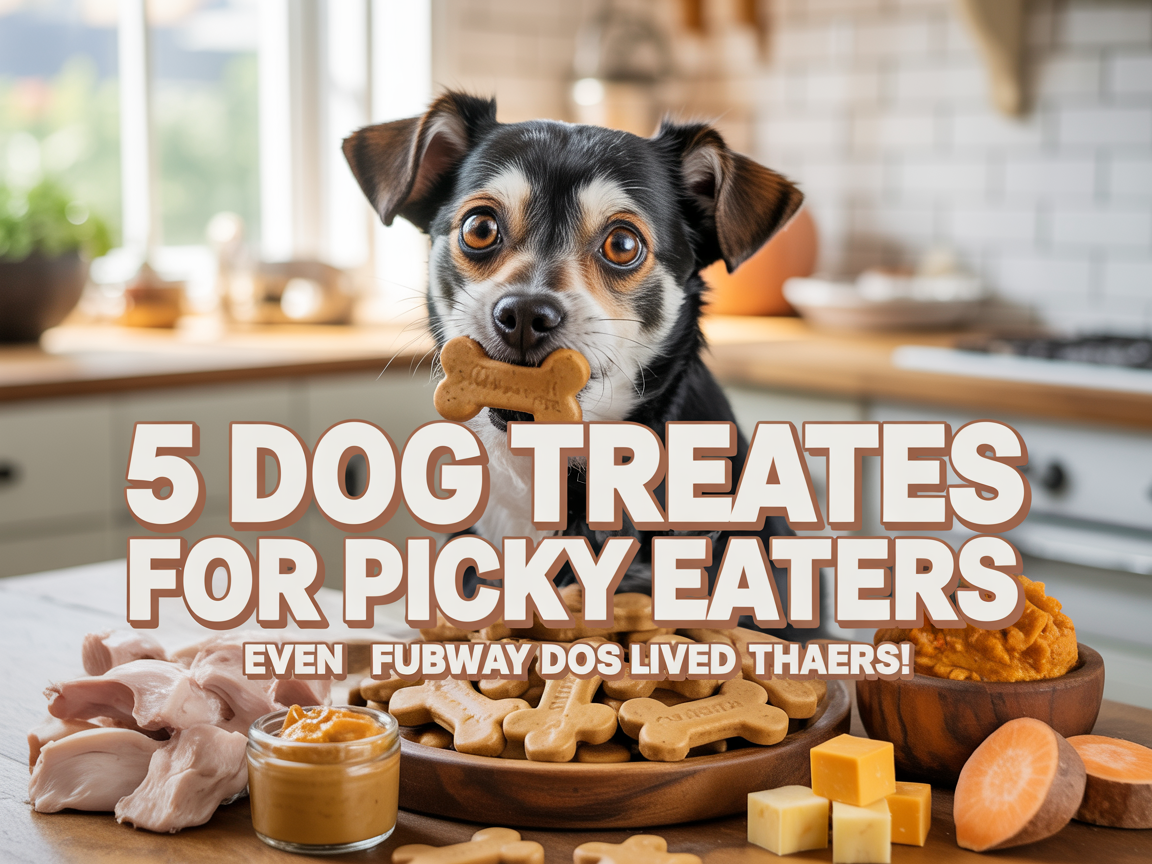
5 Homemade Dog Treats for Picky Eaters
Does your dog inspect every new treat like a restaurant critic?
Some pups will happily eat almost anything, while others sniff a new snack, look at you suspiciously, and walk away. If you have a particularly selective eater, finding something they actually enjoy can take a little experimentation.
Making treats at home gives you an easy way to try different flavors and textures without needing a complicated recipe. These five homemade dog treats include fruity bites, savory jerky, frozen snacks, soft cookies, and salmon treats, so there’s plenty of variety to test with your pup.
Just remember that every dog has different preferences. A treat that gets one dog racing into the kitchen may not impress another.
Important: If your dog’s appetite suddenly changes or they stop eating foods they normally enjoy, don’t assume they’re simply being picky. Dental problems, digestive issues, and other health concerns can affect appetite. A sudden or persistent change is worth discussing with your veterinarian.

1. Peanut Butter Banana Bites
Banana and peanut butter create a naturally appealing combination for many dogs. These little homemade bites are soft, simple to prepare, and easy to make in small portions.
They’re also convenient when you want a homemade reward for training or just a special snack.
Ingredients
- 1 ripe banana
- 2 tablespoons plain peanut butter
- 1 cup oat flour
- 1–2 tablespoons water, if needed
Instructions
- Preheat your oven to 350°F (175°C).
- Mash the banana in a medium mixing bowl until mostly smooth.
- Add the peanut butter and stir until well combined.
- Gradually mix in the oat flour.
- If the mixture feels too dry, add a little water until a soft dough forms.
- Roll the dough into small balls and place them on a parchment-lined baking sheet.
- Flatten each ball gently with your fingers or the back of a spoon.
- Bake for approximately 10–12 minutes.
- Let the treats cool completely before giving one to your dog.
A Quick Peanut Butter Safety Check
Always read the label before using peanut butter in a dog treat recipe.
Choose plain peanut butter without xylitol, an ingredient that can be extremely dangerous to dogs. Also avoid varieties containing chocolate or unnecessary sweeteners.
Because peanut butter is relatively calorie-dense, small portions are the better choice.
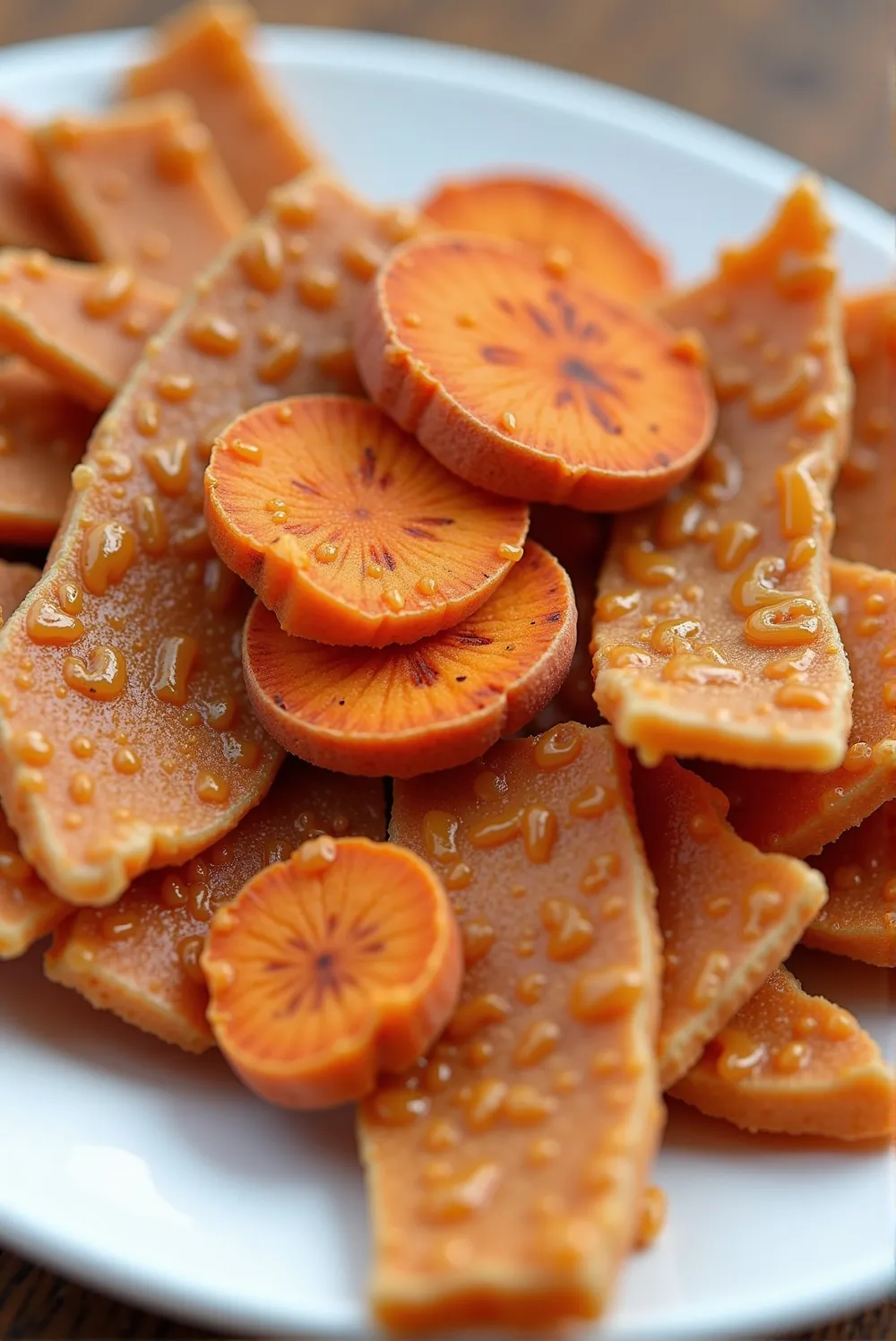
2. Chicken and Sweet Potato Jerky
Does your dog prefer savory snacks over fruity ones?
This simple chicken and sweet potato combination gives picky eaters a completely different flavor profile. The ingredients are straightforward, and the finished pieces can be broken into smaller rewards.
Ingredients
- 1 boneless, skinless chicken breast
- 1 medium sweet potato
Instructions
- Preheat your oven to 200°F (95°C).
- Wash the sweet potato and slice it into thin, even pieces.
- Slice the chicken breast into thin strips.
- Arrange the chicken and sweet potato in a single layer on a parchment-lined baking sheet.
- Place the tray in the oven and cook until the chicken is thoroughly cooked and the pieces have dried to your preferred texture.
- Turn the pieces during cooking so they dry more evenly.
- Allow everything to cool completely before serving.
Important Food-Safety Note
Chicken should be thoroughly cooked before your dog eats it. Don’t add garlic, onion, heavy seasoning, sauces, or excessive salt.
Since these treats contain fresh meat, store leftovers in the refrigerator or freezer rather than treating them like shelf-stable commercial jerky.
3. Frozen Blueberry Yogurt Drops
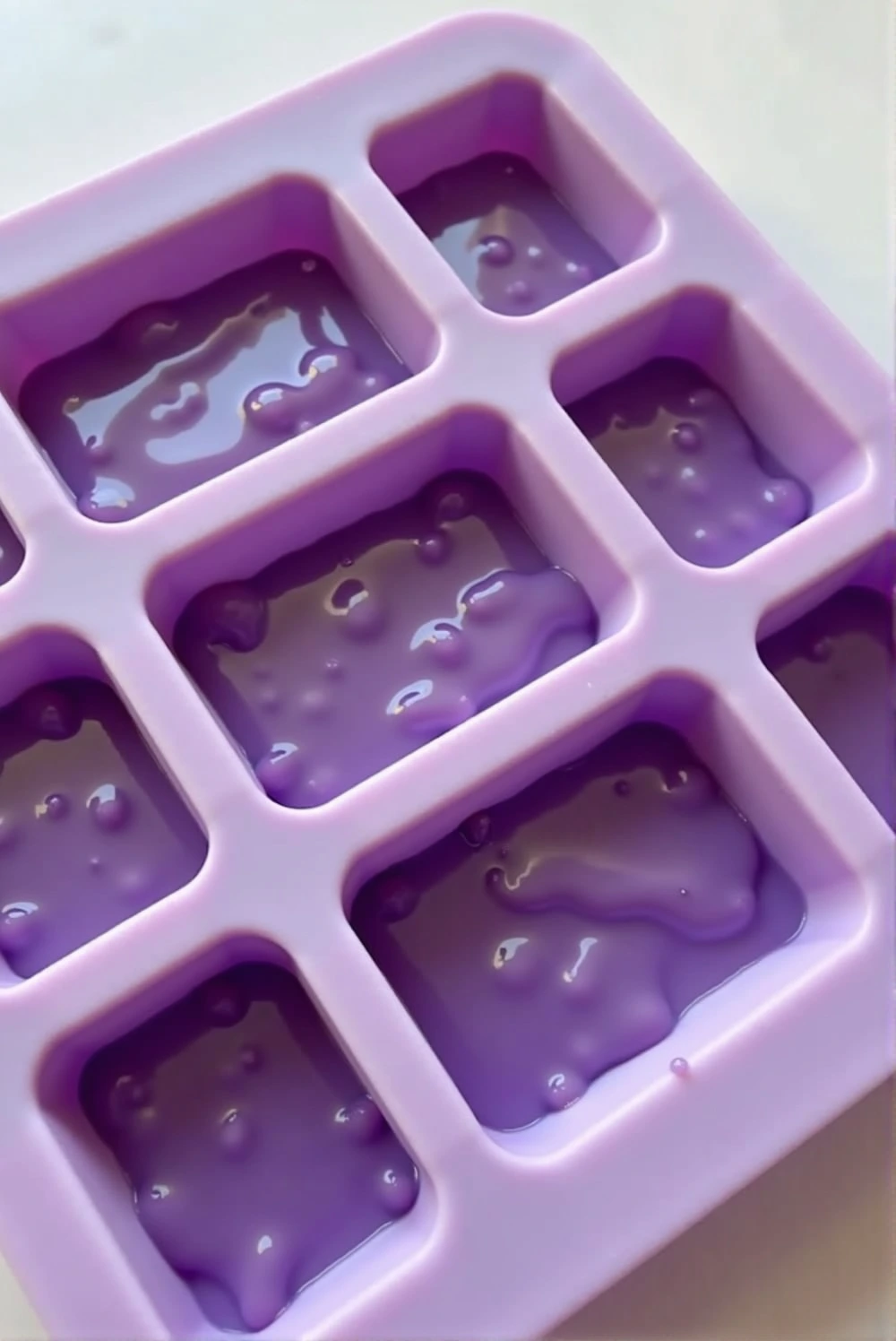
Some dogs aren’t interested in crunchy biscuits but become very excited when you bring out something cold.
These blueberry yogurt drops are quick to prepare and make a refreshing occasional snack, particularly on warm days.
Ingredients
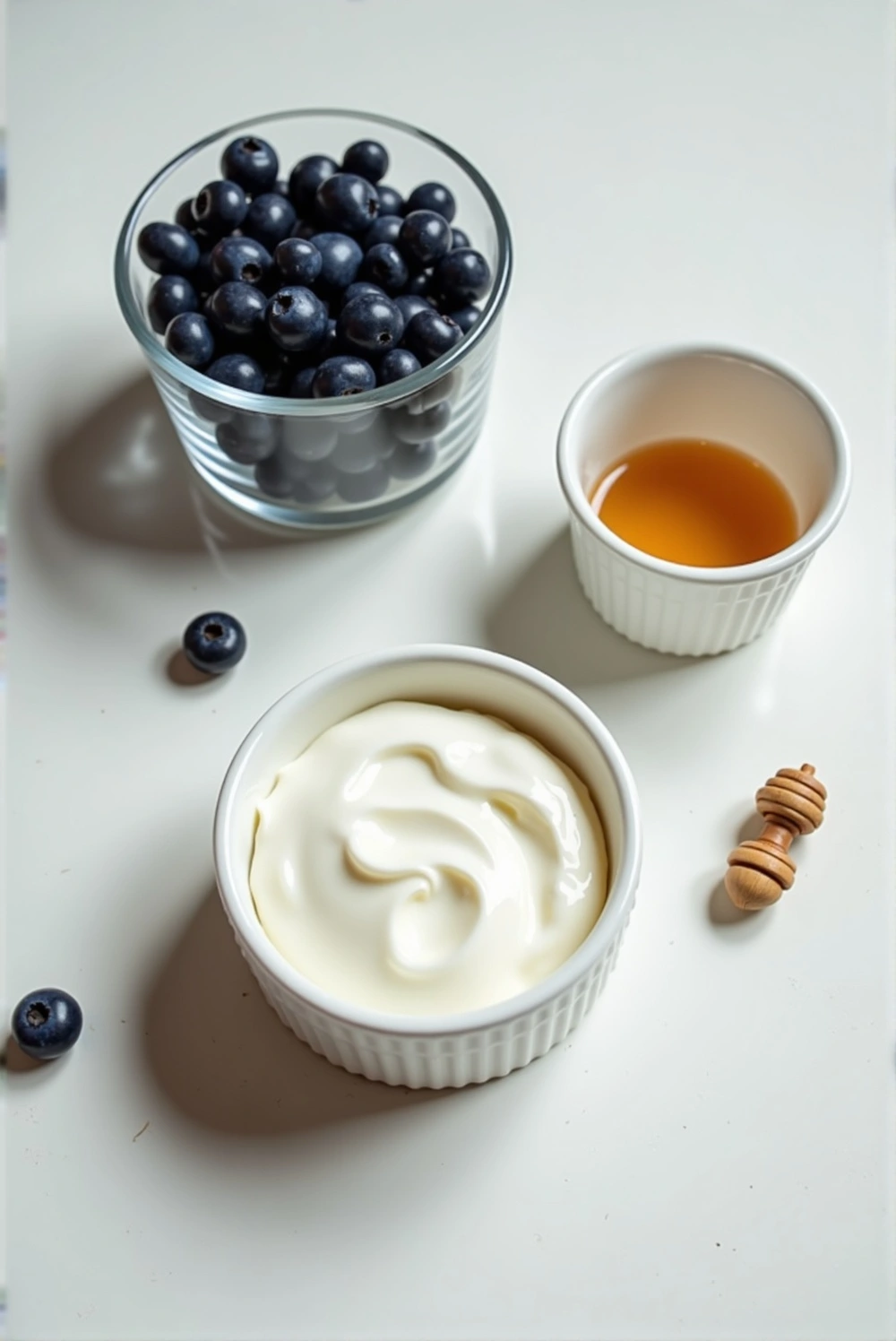
- 1 cup plain, unsweetened yogurt
- ½ cup fresh blueberries
Instructions
- Wash the blueberries thoroughly.
- Add the yogurt and blueberries to a blender or food processor.
- Blend until smooth or leave a few small blueberry pieces for texture.
- Spoon the mixture into silicone molds or a small ice cube tray.
- Freeze for at least 4 hours, or until completely firm.
- Remove one or two pieces when you’re ready to serve.
Easy Fruit Alternatives
If blueberries aren’t your dog’s favorite, you can experiment with other dog-safe fruits such as strawberries or banana.
Always prepare fruit appropriately and remove parts that could pose a choking hazard. Avoid grapes and raisins, which are unsafe for dogs.
Also keep in mind that some dogs don’t tolerate dairy particularly well. If yogurt causes digestive upset, choose another recipe instead.
4. Pumpkin and Oat Cookies
Pumpkin is a popular ingredient in homemade dog treats, and it pairs nicely with oat flour in these soft little cookies.
Their tender texture also makes them easy to break into smaller pieces, which can be useful when you don’t want to give your dog one large treat at a time.
Ingredients
- 1 cup plain pumpkin puree
- 2 cups oat flour
- 1 egg
Instructions
- Preheat your oven to 350°F (175°C).
- Add the pumpkin puree and egg to a bowl.
- Stir until evenly combined.
- Slowly add the oat flour while mixing.
- Continue mixing until a soft dough forms.
- Divide the dough into small portions.
- Roll each portion into a ball and gently flatten it.
- Arrange the cookies on a lined baking sheet.
- Bake for approximately 20–25 minutes.
- Allow them to cool completely before serving.
Make Sure You Use Plain Pumpkin
Choose 100% pumpkin puree, not pumpkin pie filling.
Pie filling can contain added sugar and other ingredients that aren’t appropriate for dogs.
These cookies are intended to be soft rather than extremely crunchy, so they’re a nice option for dogs that prefer a gentler texture.
5. Salmon and Parsley Bites
For dogs who go crazy for fishy flavors, salmon can be a tempting addition to homemade treats.
These small bites combine salmon with flour and fresh parsley to create a savory snack that’s easy to portion.
Ingredients
- 1 can salmon packed in water, preferably without added salt
- ½ cup whole-wheat flour
- 1 tablespoon finely chopped fresh parsley
- 1 egg
Instructions
- Preheat the oven to 350°F (175°C).
- Drain the salmon thoroughly.
- Check the salmon carefully for bones.
- Add the salmon, flour, parsley, and egg to a mixing bowl.
- Stir until the ingredients form a mixture that holds together.
- Shape the mixture into small balls or flattened bites.
- Place them on a parchment-lined baking sheet.
- Bake for approximately 15–20 minutes, or until cooked through and firm.
- Cool completely before offering a treat to your dog.
Can You Use Tuna Instead?
It’s possible to make fish-based treats with other options, but don’t assume every type of canned fish is interchangeable.
If you make substitutions, choose plain fish without sauces, heavy seasoning, or excessive salt, and adjust the recipe as needed to achieve the right texture.
FAQs
1. Why is my dog such a picky eater?
Dogs can become selective about food for many reasons.
Some simply have strong preferences, while others may have learned that refusing one food results in something more exciting appearing in their bowl. Too many treats can also reduce interest in regular meals.
However, a sudden appetite change deserves more attention. Dental discomfort, illness, gastrointestinal problems, stress, and other factors can affect how much a dog wants to eat.
If your dog suddenly becomes picky, refuses food, loses weight, or develops other symptoms, contact your veterinarian.
2. Can I give my dog human food as treats?
Some ordinary foods can be used as occasional dog treats, but not everything people eat is safe for dogs.
Plain cooked chicken, certain fruits, vegetables, and some nut butters can be appropriate in moderation. However, foods such as chocolate, grapes, raisins, onions, garlic, and xylitol-containing products should be avoided.
Keep human foods plain and free from sauces, excessive salt, and potentially harmful seasonings.
3. How do I know if my dog likes a treat?
Your dog will usually give you plenty of clues.
They may eagerly approach when you bring the treat out, sniff it immediately, take it willingly, or show interest when you offer it again.
If they repeatedly turn away, spit it out, or ignore it, that particular flavor or texture may simply not be their favorite.
Don’t force a treat. Try another recipe another day.
4. How often should I give my dog treats?
Treats should be a small part of your dog’s overall diet.
A commonly used veterinary guideline is to keep treats and other extras to around 10% or less of daily calories, with the majority of nutrition coming from a complete and balanced diet.
The exact amount depends on your dog’s size, activity, health, and the calorie content of the treats.
5. Can I freeze homemade dog treats?
Yes, freezing is a convenient way to store many homemade dog treats.
Allow baked treats to cool completely before packaging them. Meat-based recipes should be refrigerated promptly or frozen for longer storage.
Frozen treats such as yogurt drops can remain in the freezer until you’re ready to serve them.
When storing homemade food, discard anything that develops mold, an unusual smell, or other obvious signs of spoilage.
Final Thoughts
Having a picky dog can make treat time surprisingly challenging, but making snacks at home gives you plenty of opportunities to experiment.
These five homemade dog treats for picky eaters cover a range of flavors and textures—from peanut butter and banana bites to savory chicken jerky, frozen yogurt drops, soft pumpkin cookies, and salmon bites.
Start with a small portion of one recipe and see how your dog responds. Once you discover a flavor they enjoy, you can keep it in your homemade treat rotation.
Most importantly, remember that treats are extras, not a replacement for a complete diet. And if your dog’s pickiness is sudden, persistent, or accompanied by other changes, check with your veterinarian rather than assuming your pup is simply being difficult.
Sometimes your dog isn’t a food critic after all—they just haven’t found the right snack yet.