5 Allergy-friendly Dog Treats Your Pup Will Beg for (and You’ll Love Making)
Finding treats for a dog with food sensitivities can be surprisingly difficult. Many store-bought snacks contain long ingredient lists, multiple protein sources, or ingredients your dog may not tolerate.
Making treats at home gives you much more control over what goes into your pup’s snack bowl. These allergy-friendly dog treat recipes use simple ingredients and offer several different textures and flavors, from soft pumpkin bites to frozen blueberry treats.
Just remember that “allergy-friendly” doesn’t mean allergy-proof. Every dog has different dietary triggers. If your dog has a diagnosed food allergy or is completing a veterinarian-guided elimination diet, use only ingredients that have been approved for your dog’s specific diet.
1. Soft Pumpkin & Oat Dog Treat Bites
Pumpkin and oats make a simple combination for homemade treats. These little bites have a soft texture and are especially convenient for dogs that prefer smaller, easy-to-chew snacks.
Plain pumpkin also adds fiber, while oat flour provides the structure needed to turn the mixture into a simple baked treat.
Ingredients
- 1 cup plain pumpkin puree
- 1 large egg
- 2 cups oat flour
- 1 tablespoon melted coconut oil, optional
- ½ teaspoon cinnamon, optional
Important: Use plain pumpkin puree rather than pumpkin pie filling, which can contain added sugar and spices.
Instructions
- Preheat your oven to 350°F (175°C).
- Line a baking sheet with parchment paper.
- Combine the pumpkin, egg, and optional coconut oil in a mixing bowl.
- Gradually stir in the oat flour until a soft dough forms.
- If the mixture feels too sticky, add a little more oat flour.
- Roll the dough into small portions and gently flatten them.
- Bake for approximately 15–18 minutes, until the treats are set.
- Allow them to cool completely before giving them to your dog.
For a firmer texture, you can leave the cooled treats in a low oven for a little longer. Make sure they are completely cool before storing.
2. Three-Ingredient Banana & Buckwheat Dog Bones
Looking for a treat without a long ingredient list? These banana and buckwheat biscuits are an easy option.
Buckwheat can be confusing because of its name, but despite containing the word “wheat,” it isn’t the same plant as wheat.
Ingredients
- 1 ripe banana
- 1 cup buckwheat flour
- 2–3 tablespoons water, as needed
Instructions
- Heat your oven to 325°F (165°C).
- Mash the banana until smooth.
- Add the buckwheat flour and mix.
- Add water gradually until the mixture forms a workable dough.
- Roll the dough between two sheets of parchment paper.
- Aim for approximately ¼-inch thickness.
- Cut into small shapes using a cookie cutter or simply slice into squares.
- Place on a lined baking sheet.
- Bake for about 14–16 minutes, or until firm.
- Cool completely before serving.
For training, make smaller pieces so you can reward your dog without giving a large treat every time.
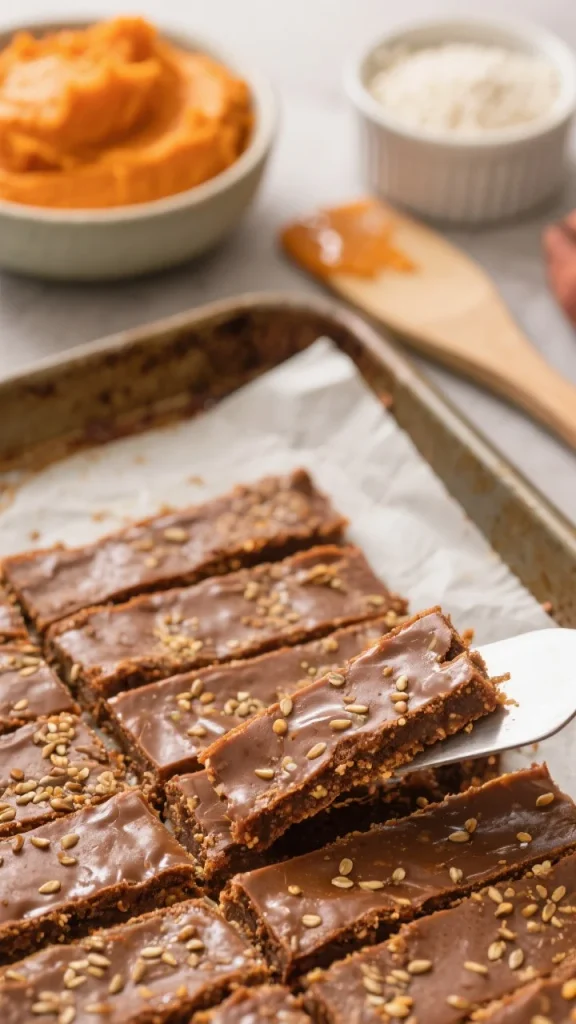
3. Apple & Sweet Potato Chewy Treats
If your dog prefers soft treats over crunchy biscuits, these apple and sweet potato strips are worth trying.
Sweet potato provides the base, while unsweetened applesauce adds moisture and natural flavor. The result is a soft homemade treat that can be cut into different sizes depending on your dog’s needs.
Ingredients
- 1 large sweet potato, cooked and mashed
- ½ cup unsweetened applesauce
- 1¼ cups rice flour or oat flour
- 1 tablespoon ground flaxseed, optional
Instructions
- Preheat the oven to 325°F (165°C).
- Line a baking sheet with parchment.
- Mix the mashed sweet potato and applesauce.
- Stir in the flour and optional flaxseed.
- Continue mixing until you have a thick, spreadable mixture.
- Spread it evenly over the baking sheet to roughly ¼-inch thickness.
- Score the surface into strips or small squares.
- Bake for approximately 25–30 minutes.
- Remove from the oven and allow it to cool.
- Break the treats apart along the scored lines.
For a drier, chewier texture, you can return the treats to a low-temperature oven for additional drying time.
Always check the applesauce label. It should be unsweetened and free from xylitol or other inappropriate sweeteners.
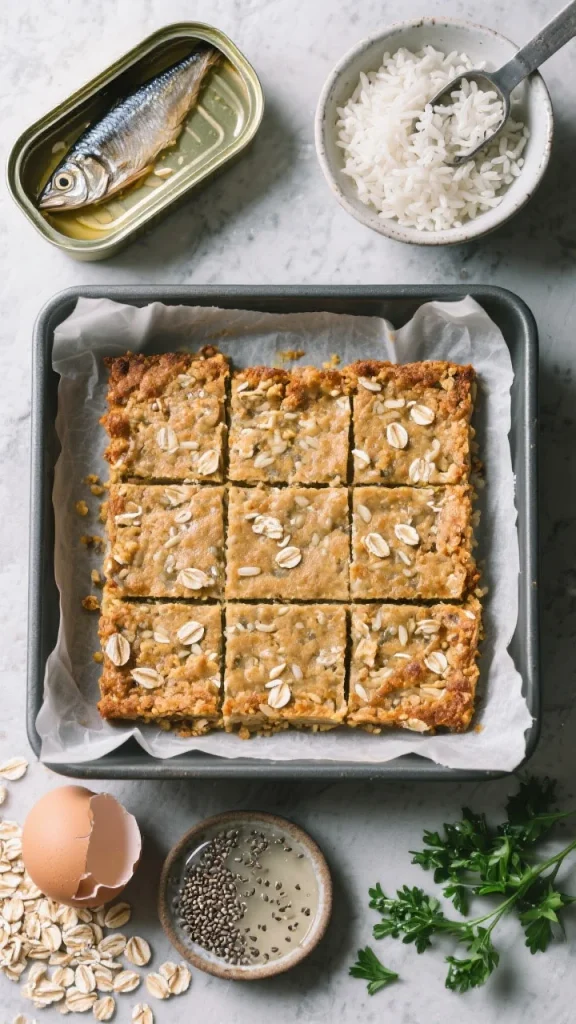
4. Sardine & Oat Crunch Treats
For dogs who love savory flavors, sardines can make homemade treats much more exciting.
Choose sardines packed in water without added sauces or seasonings. These fish also provide protein and naturally occurring omega-3 fatty acids.
Ingredients
- 1 small can sardines packed in water, drained
- 1 cup cooked white rice
- 1 cup rolled oats
- 1 egg
- 1 tablespoon finely chopped parsley, optional
Instructions
- Preheat your oven to 350°F (175°C).
- Line a small baking pan with parchment.
- Mash the drained sardines in a mixing bowl.
- Add the egg and combine.
- Stir in the cooled rice, oats, and optional parsley.
- Press the mixture evenly into the prepared pan.
- Score into small squares.
- Bake for approximately 22–26 minutes, until the mixture is firm and lightly browned.
- Cool completely.
- Break apart along the scored lines.
These can be cut into tiny pieces for training rewards or slightly larger pieces for an occasional snack.
Allergy note: Fish isn’t automatically appropriate for every dog with food allergies. If your dog is on an elimination diet, only use sardines if they fit the diet your veterinarian has recommended.
5. Blueberry & Coconut Frozen Dog Treats
Not every homemade dog treat needs an oven.
These frozen bites are particularly handy during warm weather and require only a few ingredients. The combination of blueberries and plain coconut milk creates a creamy mixture that can be frozen in small molds.
Ingredients
- 1 cup unsweetened coconut milk
- ½ cup blueberries
- 2 tablespoons plain pumpkin puree or unsweetened applesauce
Instructions
- Add the coconut milk and pumpkin puree to a blender.
- Blend until smooth.
- Add the blueberries and either blend briefly or leave some pieces whole.
- Pour the mixture into silicone molds or a clean ice cube tray.
- Freeze for approximately 3–4 hours, or until solid.
- Remove one portion at a time when you’re ready to serve.
Use small molds for smaller dogs so that individual treats remain appropriately sized.
Check the coconut milk label carefully and avoid products containing added sweeteners or ingredients that aren’t appropriate for dogs.
Allergy-Friendly Dog Treat Baking Tips
Homemade treats can make ingredient control easier, but dogs with food allergies require extra care.
Read Every Ingredient Label
Ingredients that appear simple can sometimes contain additional flavorings, sweeteners, preservatives, or other ingredients.
This is particularly important when using packaged products such as:
- Pumpkin puree
- Applesauce
- Coconut milk
- Flour
- Nut or seed butters
- Canned fish
Introduce New Treats Gradually
Don’t introduce five new recipes to your dog at once.
Start with a small amount of one treat and monitor how your dog responds. This makes it easier to identify which food may have caused a problem if digestive or skin symptoms appear.
Keep Treats Consistent During an Elimination Diet
If your veterinarian has prescribed an elimination diet, don’t assume that a homemade treat is automatically acceptable.
A treat containing an unapproved ingredient can interfere with the dietary trial. In that situation, follow your veterinarian’s instructions and use only foods that fit the prescribed plan.
Avoid Dangerous Ingredients
Never add ingredients such as:
- Chocolate
- Xylitol
- Onions
- Garlic
- Grapes or raisins
- Excessive salt
- Macadamia nuts
- Alcohol
- Human seasoning blends
When preparing treats for dogs, simple is usually better.
How Many Homemade Treats Can Your Dog Have?
Treats should remain a small part of your dog’s overall diet.
The appropriate amount depends on your dog’s size, daily calorie needs, activity level, and regular food intake.
If you’re making calorie-dense treats, remember that even healthy ingredients contribute calories. Smaller pieces are often a practical way to use homemade snacks during training without overfeeding.
For dogs with medical conditions or special nutritional requirements, ask your veterinarian how homemade treats should fit into the daily diet.
Are These Treats Suitable for Dogs With Food Allergies?

They may be appropriate for some dogs, but there is no universal allergy-friendly recipe.
A dog can react to an ingredient that another dog tolerates perfectly well. For example, one dog may tolerate oats while another dog may need a diet that excludes them.
If your dog has a diagnosed food allergy, the safest approach is to identify the ingredients your veterinarian has approved and choose treats that contain only those ingredients.
Homemade treats can be especially useful in this situation because you can control the ingredient list—but only when you understand what your dog needs to avoid.
Frequently Asked Questions
What are the best homemade treats for dogs with allergies?
There isn’t one best recipe for every allergic dog.
The right treat depends on the ingredients your dog tolerates. Simple recipes containing one or a few approved ingredients can make ingredient tracking easier.
Can dogs with sensitive stomachs eat homemade treats?
Some dogs with sensitive digestion may tolerate simple homemade treats well, but sensitivity varies between dogs.
Introduce new treats gradually and avoid making several dietary changes at the same time.
Are oats safe for dogs?
Many dogs can eat properly prepared oats, but an individual dog can still have an intolerance or allergy to any ingredient.
If your dog is following a restricted diet, follow the ingredient list recommended by your veterinarian.
Can I freeze homemade dog treats?
Yes. Many homemade treats can be frozen in individual portions.
Freezing them separately makes it convenient to take out only what you need instead of repeatedly thawing the entire batch.
Can I give these treats to a puppy?
Some ingredients used in these recipes may be suitable for puppies, but homemade treats should remain occasional snacks.
Growing puppies have specific nutritional requirements, so treats should not replace a complete puppy diet.
How do I know if my dog is having a reaction to a treat?
Watch for changes such as vomiting, diarrhea, increased itching, skin irritation, or other unusual symptoms.
If your dog develops a severe reaction, difficulty breathing, facial swelling, repeated vomiting, or another urgent symptom, seek veterinary care promptly.
Final Thoughts
Making allergy-friendly dog treats at home can be a practical way to control ingredients and give your pup something special without relying on complicated recipes.
From pumpkin and oat bites to banana biscuits, chewy sweet potato strips, savory sardine squares, and frozen blueberry nibbles, there are plenty of ways to add variety to your dog’s treat routine.
Just remember that homemade doesn’t automatically mean hypoallergenic. Your dog’s individual triggers matter most.
If your pup has a confirmed food allergy or is completing an elimination diet, choose recipes based on the ingredients your veterinarian has approved. With a little planning, you can make simple homemade treats while keeping your dog’s dietary needs front and center.