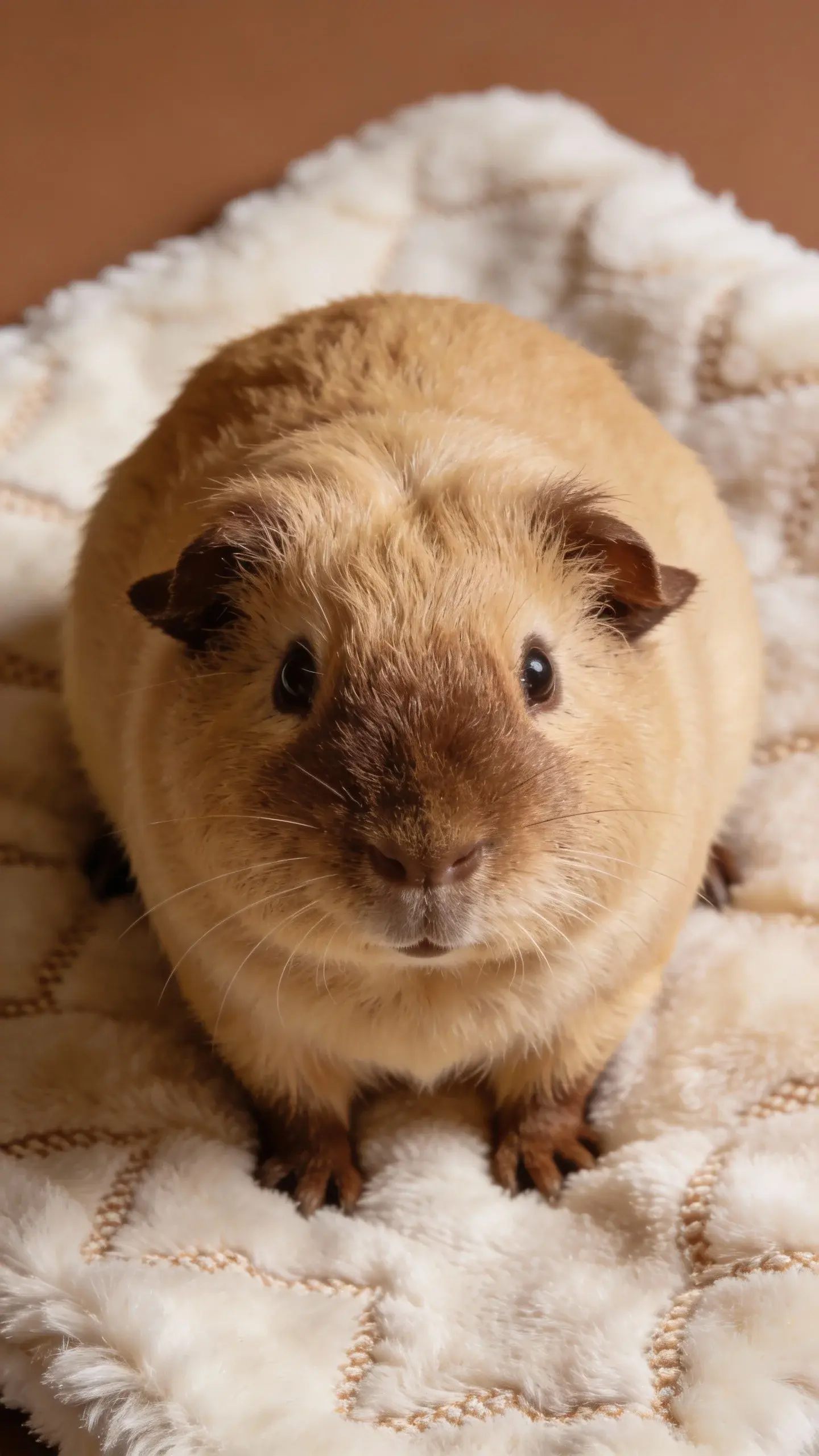
Guinea Pig Care 101: A Beginner’s Guide
A guinea pig may fit comfortably in your lap, but caring for one involves much more than filling a bowl and saying hello a few times a day.
These little herbivores need plenty of hay, appropriate vegetables, a safe enclosure, regular cleaning, companionship, and close observation when something seems off. They’re also remarkably expressive once you learn what their different squeaks, movements, and habits mean.
If you’re new to guinea pigs, the goal isn’t to create a complicated routine. It’s to get the fundamentals right and make those fundamentals consistent.
Meet Your Guinea Pig: What You’re Signing Up For
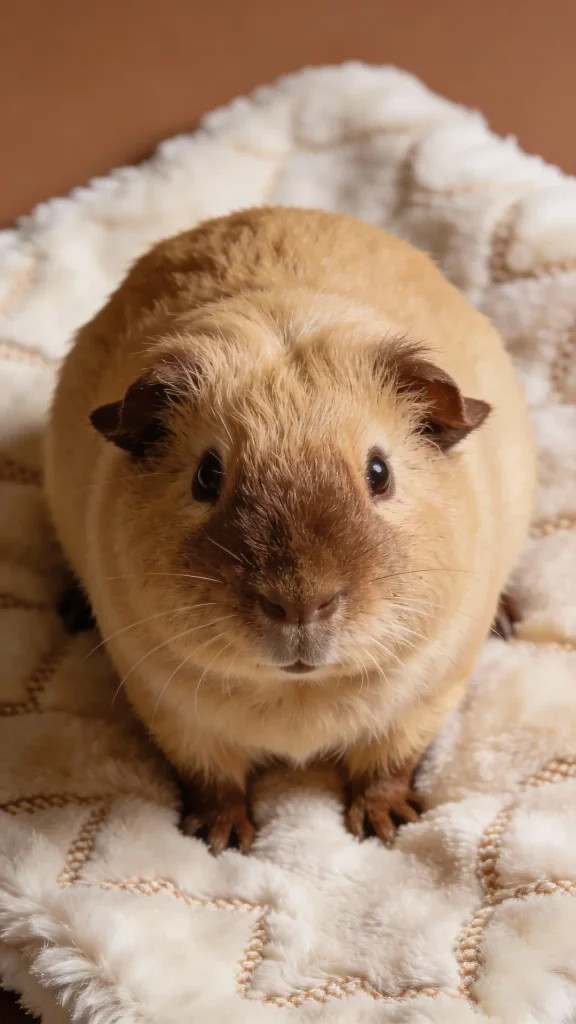
Guinea pigs can be wonderful companions for several years. A typical lifespan is around 5–6 years, although some live considerably longer.
They’re social prey animals with strong routines and plenty of personality. Some will confidently approach you for food, while others need considerably more time before they feel comfortable being handled.
Don’t be surprised if your new guinea pig spends the first few days hiding. Being picked up can feel frightening to an animal that naturally responds to perceived danger by freezing or running away. Gentle handling, predictable routines, and food rewards can help build trust over time.
You’ll also quickly discover that guinea pigs communicate constantly. Wheeking, chutting, rumbling, squeaking, and other sounds can all mean different things depending on the situation.
And yes, the famous little jumps known as popcorning are generally associated with excitement.
Housing: Think Spacious, Not Fancy
A good guinea pig enclosure doesn’t need to be luxurious. It needs to give your pet enough usable floor space to move around, stretch, explore, eat, hide, and exercise.
For one guinea pig, a minimum of about 7 square feet is recommended, while larger housing is preferable. Adding another guinea pig requires additional floor space.
Bedding That Doesn’t Stink
Good ventilation and a dry floor matter much more than having an elaborate cage design.
- Best setups: Large pens and C&C-style enclosures are popular because they make it easier to provide plenty of floor space.
- Flooring: Use a solid, comfortable surface rather than wire flooring, which can contribute to foot injuries and pododermatitis.
- Hideouts: Provide multiple hiding places so guinea pigs can retreat when they want privacy. Ideally, there should be more hiding spots than guinea pigs.
- Location: Keep the enclosure indoors in an area away from direct sunlight, drafts, and extreme temperatures. A comfortable range is roughly 65–79°F (18–26°C), with careful attention to heat.
For bedding, paper-based products and properly managed fleece are common choices. Avoid cedar and raw pine products because aromatic oils can irritate the respiratory system.
Spot-cleaning frequently and doing a more thorough enclosure clean regularly will make a major difference to odor and hygiene.
Disclosure: As Amazon Associates, we earn from qualifying purchases at no extra cost to you.
Diet: 80% Hay, 20% Sass
If there’s one part of guinea pig care you don’t want to underestimate, it’s nutrition.
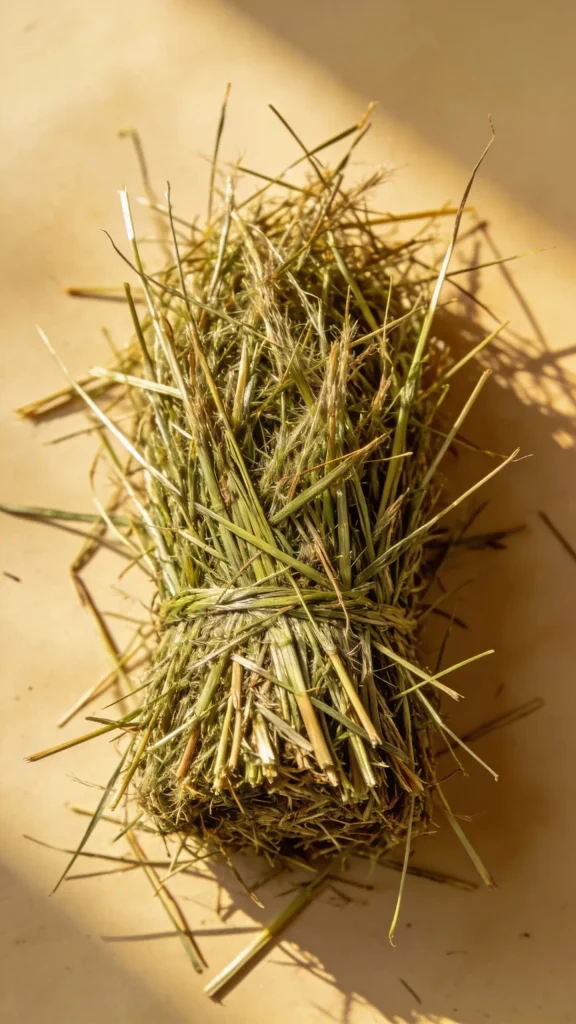
Hay should be available all the time. It supplies the fiber needed for healthy digestion and also helps wear down guinea pigs’ continuously growing teeth.
A healthy adult guinea pig’s diet generally consists of:
- Hay: Unlimited good-quality grass hay such as timothy or orchard grass.
- Pellets: A measured amount of guinea-pig-specific, high-fiber pellets. Adult guinea pigs generally do best with timothy-based pellets, while alfalfa-based diets are more appropriate for growing, pregnant, or nursing guinea pigs.
- Fresh vegetables: Offer a variety of washed leafy greens and vegetables every day, with vitamin-C-rich choices included.
- Water: Fresh water should always be available.
Merck Veterinary Manual recommends roughly 1–2 cups of fresh produce and about 1–2 teaspoons of pellets daily, alongside an amount of hay roughly comparable to the guinea pig’s body size. Other veterinary guidance commonly lists about 2 tablespoons of pellets, so the ideal amount should be adjusted for the individual animal, pellet formulation, age, weight, and veterinarian’s advice.
Vitamin C: The Non-Negotiable
Guinea pigs cannot manufacture their own vitamin C, which means their diet must supply it. A prolonged deficiency can cause serious health problems, including weakness, weight loss, dental problems, and joint or bleeding issues.
Fresh vegetables such as bell peppers are useful sources, while guinea-pig-specific pellets are typically fortified with vitamin C.
One important detail: don’t rely on adding vitamin C to the drinking water. Vitamin C breaks down in water, and supplements can also alter the taste enough that a guinea pig may drink less.
If you’re concerned that your guinea pig isn’t receiving enough vitamin C, ask an exotic-animal veterinarian about an appropriate supplement rather than guessing at the dose.
Veggies to Love (and Limit)
A varied vegetable rotation is preferable to feeding the same item every day.
- Great daily greens: Romaine, green-leaf lettuce, red-leaf lettuce, cilantro, endive, and escarole can be included in a varied diet.
- Frequent add-ins: Bell peppers, cucumber, zucchini, and other appropriate fresh vegetables can add variety and nutrients.
- Go easy: Foods such as parsley, kale, and spinach are higher in calcium or oxalates and are better used thoughtfully rather than making up the entire vegetable portion.
- Hard no: Avoid foods that are toxic or inappropriate for guinea pigs, including onions, garlic, chocolate, dairy products, and rhubarb. Iceberg lettuce offers little nutritional value and should not be the main green.
Introduce dietary changes gradually. Guinea pigs can be surprisingly resistant to sudden changes in food, and refusing food can become a serious problem.
Companionship, Handling, and Social Life
Guinea pigs are naturally social and often do well when housed with compatible companions. Pairs or small groups can provide opportunities for normal social behavior that a human simply can’t reproduce.
If you keep more than one, sex matters. Same-sex groups can prevent accidental breeding, while mixed-sex pairs require appropriate sterilization and careful veterinary guidance.
When handling your guinea pig, don’t grab from above and scoop them up suddenly. Approach calmly, support the chest with one hand, and support the hindquarters with the other. Keep the animal close to your body so it feels secure.
Short, calm handling sessions are often easier for a nervous guinea pig than one long session. A favorite vegetable can also make you considerably more interesting.
Introductions Without Drama
Putting two unfamiliar guinea pigs together requires patience.
Use an appropriately prepared neutral area and supervise their interactions. Some behaviors that look dramatic to a new owner—such as sniffing, rumbling, following, or mild posturing—can occur during introductions.
The important distinction is between normal social negotiation and dangerous aggression.
If the animals begin seriously attacking one another, biting repeatedly, or causing injuries, separate them safely and seek advice from an experienced guinea pig or exotic-animal professional.
Never assume that two guinea pigs will automatically become friends simply because both are guinea pigs.
Health: Catch Problems Early
Guinea pigs are experts at concealing signs of illness, which makes routine observation particularly important.
A simple weekly health check can help you notice changes before they become obvious emergencies.
- Weigh weekly: A kitchen scale that measures in grams can be extremely useful. An unexplained downward trend deserves attention.
- Teeth check: Their teeth grow continuously, so dental disease can interfere with eating. Drooling, difficulty chewing, or weight loss warrants veterinary attention.
- Nails: Check nails regularly and trim them before they become overgrown.
- Coat/skin: Look for bald areas, excessive scratching, flaky skin, sores, or other changes.
- Eyes/nose: Healthy eyes and noses should not have persistent discharge, crusting, or other unusual changes.
Don’t rely on a guinea pig’s appetite alone as proof that everything is fine. Changes in eating, droppings, activity, or weight can be some of the earliest clues that something is wrong.
When to See the Vet
It’s smart to locate an exotics veterinarian before your guinea pig actually needs one.
Seek veterinary attention promptly if your guinea pig:
- Stops eating or is eating substantially less
- Produces noticeably fewer or no droppings
- Has difficulty breathing
- Develops severe diarrhea or abdominal swelling
- Has blood in the urine
- Becomes unusually weak or lethargic
- Sits hunched for prolonged periods
- Experiences unexplained or significant weight loss
Guinea pigs can deteriorate quickly when they stop eating because normal gastrointestinal function depends heavily on fiber intake. Dental disease, digestive problems, respiratory infections, and other conditions can become serious without timely treatment.
Never give medication—including antibiotics—without veterinary direction. Guinea pigs can have dangerous reactions to medications that are routinely used in other animals.
Enrichment: Prevent the Boredom Blues
A well-fed guinea pig still needs opportunities to explore, hide, chew, forage, and move around.
The easiest approach is to make the enclosure interesting without filling it with expensive gadgets.
- Chewables: Offer safe, untreated materials designed for guinea pigs along with plenty of hay.
- Foraging: Scatter appropriate vegetables or pellets in safe areas so your guinea pig has to move around and search for them.
- Tunnels and ramps: Low tunnels and safe structures encourage exploration. Avoid steep or unstable setups.
- Floor time: Give your guinea pig supervised exercise outside the enclosure in a secure, guinea-pig-proofed area.
Keep electrical cords, toxic plants, gaps, and other hazards completely out of reach. Guinea pigs are enthusiastic chewers and can injure themselves surprisingly quickly.
Grooming Routines
Grooming requirements depend partly on coat type.
Short-haired guinea pigs generally need relatively little brushing, while long-haired varieties need more frequent grooming to prevent mats and keep the rear end clean.
Nails should be checked and trimmed regularly. Merck recommends routine nail trimming every few weeks.
Bathing shouldn’t become part of a routine simply because your guinea pig looks a little dusty. Guinea pigs generally need baths only when their coat becomes dirty or matted.
Budget and Time: The Real Talk
The purchase price of a guinea pig is only one small part of the overall commitment.
You’ll need to budget for appropriate housing, hay, pellets, fresh vegetables, bedding, enrichment, grooming supplies, and veterinary care.
- Initial: Plan for the enclosure, hiding places, food dishes, water equipment, bedding, hay, pellets, toys, and an initial veterinary examination.
- Monthly: Hay, fresh vegetables, pellets, and bedding are ongoing expenses. Veterinary costs can vary considerably depending on where you live and your guinea pig’s health.
- Time: Expect daily feeding, water checks, spot cleaning, observation, and interaction, followed by more thorough cage cleaning on a regular schedule.
The routine itself isn’t necessarily complicated. The real commitment is doing the basic things consistently and noticing when your guinea pig’s normal behavior changes.
FAQ
Can guinea pigs live alone?
A guinea pig can physically live without another guinea pig, but these are social animals and many do better with compatible companionship.
If you keep multiple guinea pigs, use compatible pairings and make sure the enclosure provides enough space and hiding areas for everyone. If your guinea pig must live alone, provide plenty of daily interaction and enrichment and discuss its social needs with an experienced veterinarian or rescue organization.
What’s the best hay, and how much?
For most healthy adult guinea pigs, good-quality grass hay such as timothy or orchard grass should be available at all times.
Think of hay as the foundation rather than an occasional snack. It supplies the fiber needed for digestion and helps wear down continuously growing teeth.
Growing, pregnant, or nursing guinea pigs may have different nutritional requirements and may benefit from alfalfa-based hay or pellets under appropriate guidance.
How do I litter train a guinea pig?
Guinea pigs aren’t likely to become perfectly litter trained, but you can encourage them to use a preferred area.
Watch where your guinea pig naturally urinates and defecates, then place an appropriate tray or absorbent area there. Positioning hay nearby can also encourage your guinea pig to spend time in that area.
Think of this as litter-area training, not expecting rabbit-level litter box perfection.
Do I need to spay or neuter?
There’s no universal requirement that every guinea pig be spayed or neutered.
The decision depends on sex, housing arrangement, breeding prevention, health considerations, and the individual animal. Mixed-sex housing requires particular care to prevent unwanted pregnancies, while surgical procedures should be discussed with a veterinarian experienced with guinea pigs.
Don’t make the decision based on a generic internet checklist alone. An exotic-animal veterinarian can explain the risks and benefits for your particular guinea pig.
Why is my guinea pig screaming?
A guinea pig’s loud vocalization can mean several things depending on what is happening around them.
Wheeking commonly occurs around food, attention, or anticipation. A sudden sharp shriek, however, can indicate fear, distress, or pain.
If the vocalization is unusual for your guinea pig or occurs alongside hiding, limping, appetite changes, breathing problems, or other concerning behavior, investigate rather than assuming they’re simply demanding snacks.
What bedding controls smell best?
Odor control usually comes down to moisture management and cleaning, not finding a magical odor-proof bedding.
Paper bedding and properly managed fleece can both work well. The important part is keeping the enclosure dry, removing soiled areas frequently, and performing regular thorough cleanings.
Fleece generally needs an absorbent layer underneath and frequent spot cleaning. Whatever bedding you choose, avoid materials that can irritate the respiratory system, such as cedar and raw pine.
Wrapping It Up
Good guinea pig care is built around a handful of fundamentals: space, hay, fresh vegetables, vitamin C, clean water, safe housing, enrichment, companionship, and regular observation.
You don’t need an elaborate setup to give a guinea pig a good life. You do need to provide enough room, keep the environment clean and comfortable, and take changes in appetite, weight, behavior, or breathing seriously.
Once the routine becomes second nature, you’ll have more time to appreciate what makes guinea pigs so entertaining in the first place—the curious little noises, the sudden popcorn jumps, and the unmistakable wheek that somehow sounds like a tiny demand for room service.
They’re small animals with surprisingly big personalities, and they tend to make themselves very comfortable in your daily routine. 🐹