How To Choose A Cage For Your Guinea Pig
So, you’re bringing home a guinea pig—or maybe you’re already sharing your home with one. Either way, you’re in for plenty of squeaks, popcorn jumps, curious exploring, and those adorable little begging sessions whenever food appears.
But before your new roommate arrives, there’s one important question to answer:
Where is your guinea pig actually going to live?
That small cage sitting on the pet-store shelf might look convenient, but guinea pigs need considerably more room than many first-time owners realize. They’re active animals that need space to move, explore, hide, forage, and stretch their legs.
The right enclosure can make a huge difference in your guinea pig’s everyday comfort and enrichment.
Disclosure: As Amazon Associates, we earn from qualifying purchases at no extra cost to you.
Why Cage Size Matters (Because Cramped Spaces Are a No-Go)

Guinea pigs may be small, but that doesn’t mean they’re happy living in a tiny enclosure.
They spend a lot of their day moving around, investigating their surroundings, eating hay, interacting with companions, and taking short bursts of energetic exercise. A cage that leaves barely enough room for a food bowl and hideout simply doesn’t give them enough opportunity to behave naturally.
Think about floor space first. Guinea pigs benefit much more from a generous horizontal area than from a tall enclosure with lots of shelves.
The Golden Rule:
A commonly used starting point for indoor guinea pig housing is around 7.5 square feet of floor space for one guinea pig, with approximately 10.5 square feet or more for two.
Those numbers should be treated as a starting point rather than a target you never need to exceed.
More usable floor space is better, especially if your guinea pigs spend most of their time in the enclosure. A larger area also gives you room to add hay, hides, tunnels, food stations, and enrichment without taking away the space they need for movement.
And remember, guinea pigs are social animals. They generally do best with compatible guinea pig companionship, so your enclosure should be planned around the number of animals you intend to keep.
The Best Cage Options (A Breakdown of What’s Actually Good)
Not every enclosure marketed for guinea pigs is equally practical.
When you’re choosing one, look beyond the product photo. Pay attention to the actual floor area, ventilation, flooring, accessibility, cleaning, and whether there’s enough room for enrichment.
Here are some popular setups worth considering.
1. C&C Cages (The Gold Standard)
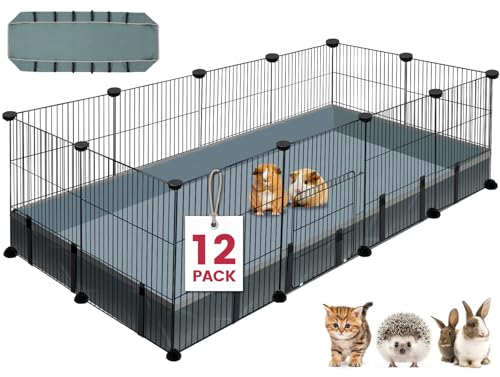
C&C-style setups are popular because they allow owners to create a large enclosure using modular panels and a suitable solid base.
Instead of being restricted to the dimensions of a traditional pet-store cage, you can build a layout that works with the space available in your home.
Some of the biggest advantages include:
✔ Flexible layout – You can adjust the shape and dimensions as your needs change.
✔ Lots of floor space – The design naturally encourages a wide, open layout.
✔ Easy access – Open-panel construction can make cleaning, feeding, and interacting with your guinea pigs simpler.
✔ Good ventilation – Open sides allow plenty of air movement when the enclosure is positioned appropriately.
For a DIY-style setup, grid panels combined with a solid, washable base can work well. Just make sure the finished enclosure has a secure floor and no gaps or edges that could injure your guinea pigs.
2. Midwest Guinea Pig Habitat (For Those Who Want an Easy Setup)

If building an enclosure from individual panels sounds like more work than you want, a ready-made guinea pig habitat can be a much simpler option.
The MidWest Guinea Pig Habitat is designed specifically around guinea pig housing, making it appealing to owners who want something they can assemble without constructing an entire enclosure from scratch.
Some of the reasons owners may prefer this type of setup include:
✔ Straightforward assembly – You don’t need to design the entire enclosure yourself.
✔ Generous floor area – It provides substantially more usable space than many traditional small-pet cages.
✔ Simple layout – There is plenty of room to arrange hay, hides, water, and enrichment.
✔ Convenient for beginners – It can be an easier starting point if this is your first guinea pig setup.
One thing to consider is the environment around the enclosure. If you have cats, dogs, or other animals that might approach the guinea pigs, you’ll need to make sure the setup is secure and provides appropriate protection.
Guinea pigs are prey animals and can become frightened when they feel exposed, so placement matters just as much as the enclosure itself.
3. Multi-Level Cages (Not As Great As They Sound)

A tall cage can look impressive in a product listing.
More floors must mean more space, right?
Not necessarily.
For guinea pigs, usable horizontal floor area is extremely important. They are not animals that need a tall climbing environment in the same way some other small pets do.
A multi-level design may still have some useful features, but you shouldn’t choose one simply because the product description boasts about several levels.
Pay attention to:
✔ How much uninterrupted floor space is available
✔ Whether ramps are wide and safe
✔ Whether every level has a practical purpose
✔ Whether the guinea pig can comfortably access each section
✔ Whether the entire setup is easy to clean
Ramps and elevated platforms also need careful consideration because guinea pigs aren’t natural climbers. A complicated vertical setup can take up valuable space without providing the same benefit as a large, open floor area.
Verdict? If you’re considering a multi-level enclosure, prioritize large, safe horizontal areas rather than counting the number of floors.
What NOT to Buy (Seriously, Just Don’t)
🚫 Tiny pet store cages – A cage designed around the needs of a hamster or other very small pet may not provide enough room for a guinea pig.
🚫 Aquariums or glass enclosures – These aren’t a good default housing choice because ventilation is important, and guinea pigs need a well-ventilated environment.
🚫 Wire-bottom cages – Avoid making your guinea pig spend its day walking directly on wire flooring. Guinea pigs need a solid, comfortable surface that protects their feet.
A good enclosure should give your guinea pig enough room to move while also providing comfortable flooring, shelter, ventilation, and opportunities for normal behaviors.
Cage Accessories: The Must-Haves
Once you’ve chosen the enclosure itself, you’re only halfway finished.
An empty cage isn’t really a complete guinea pig home. Your piggy needs places to rest, hide, eat, drink, explore, and spend time comfortably.
1. Bedding (Because Comfort Matters)

The floor covering you choose matters because your guinea pig will spend practically all of its time walking, resting, eating, and exploring on it.
A suitable bedding or liner should be comfortable, absorbent, and low in dust.
✔ Paper-based bedding can be a convenient option for absorbency and cleanup.
✔ Fleece liners are another popular choice for indoor guinea pig owners who want a reusable setup.
✔ Dust-controlled materials are preferable to bedding that produces a lot of airborne particles.
The goal isn’t simply to make the cage smell better. You want the environment to remain dry, clean, and comfortable.
Avoid products with strong fragrances or unnecessary chemical additives. Also make sure anything used as bedding is appropriate for guinea pigs and doesn’t create loose strands that could become hazardous.
2. Hideouts (Because Every Piggy Needs a Fortress)
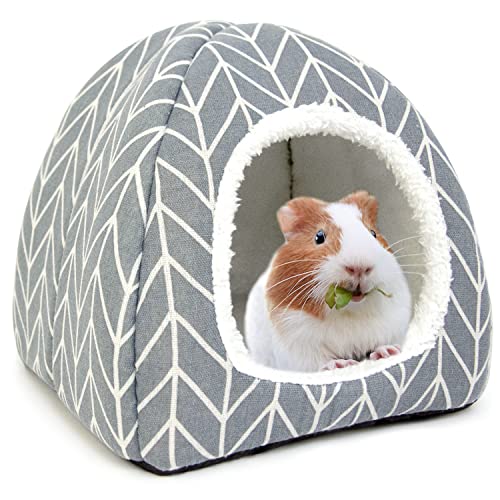
Imagine being a tiny prey animal in a large open space with nowhere to disappear.
Not exactly relaxing.
Guinea pigs need places where they can retreat when they want some quiet time. A good hideout can also make a new enclosure feel less intimidating.
You can use:
✔ Wooden hideouts that also give guinea pigs something appropriate to investigate and chew.
✔ Plastic shelters that are easy to wipe clean.
✔ Tunnels that give them another way to travel around the enclosure.
✔ Cardboard boxes or tubes when they’re clean, safe, and free from harmful materials.
If you have more than one guinea pig, don’t make them compete for a single hiding spot. Providing multiple shelters gives each animal more choices and helps reduce situations where one piggy blocks another from getting away.
Guinea pigs naturally appreciate protected areas where they can hide and feel secure.
3. Food & Water Setup
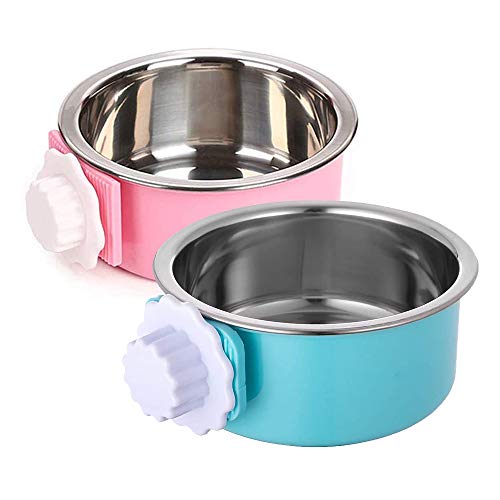
Stainless Steel Removable Pet Food Bowl, Anti-overturn Water Feeder Container
Your guinea pig’s food and water area should be easy for them to reach and easy for you to clean.
A practical setup can include:
- A sturdy food bowl that is difficult to tip over.
- A hay rack or hay area that helps keep hay organized and reduces unnecessary contamination.
- A water bottle that provides constant access to fresh water.
- A heavy water bowl if your guinea pig prefers drinking from a dish.
There isn’t a single perfect feeding arrangement for every guinea pig. The important thing is that food and water remain accessible, clean, and fresh.
Hay is especially important and should be continuously available as part of a proper guinea pig diet.
Bonus: Outdoor Playpens (Because Stretching Those Tiny Legs Is Important)
If you have a safe outdoor area, an additional playpen can give your guinea pigs another opportunity to explore and exercise.
The key word is safe.
An outdoor run should be secure from predators and escape attempts, while also providing shade and protection from unsuitable weather.
✔ Create a secure enclosed area where your guinea pig can move around without reaching dangerous plants, chemicals, cables, or escape routes.
✔ Add tunnels and shelters so your piggy isn’t left exposed in an entirely open space.
✔ Supervise outdoor time and check the area carefully before putting your guinea pig inside.
Cats, dogs, birds of prey, toxic plants, pesticides, and gaps under fencing can all create serious risks.
If the weather is hot, cold, wet, or otherwise uncomfortable, move your guinea pigs somewhere more suitable. Guinea pigs are sensitive to temperature extremes and need protection from both excessive heat and cold.
Final Thoughts (Because You Want the Best for Your Piggy, Right?)
Choosing a guinea pig cage isn’t simply about finding something that fits beside your furniture.
Your guinea pig needs a home where there is enough room to move, comfortable flooring under their feet, places to hide, easy access to food and water, and plenty of opportunities to explore.
When you’re comparing cages, don’t let a cute product photo or a tall design distract you from the basics. Look at the actual usable floor space first.
A roomy enclosure gives you much more freedom to create a better environment with hay, shelters, tunnels, toys, feeding areas, and comfortable resting spots.
And honestly, watching a guinea pig suddenly race across a spacious enclosure before breaking into a popcorn jump is one of the best arguments for giving them as much appropriate space as you can.
Your little piggy deserves a home that feels like a home—not a box they happen to sleep in. 🐹💛