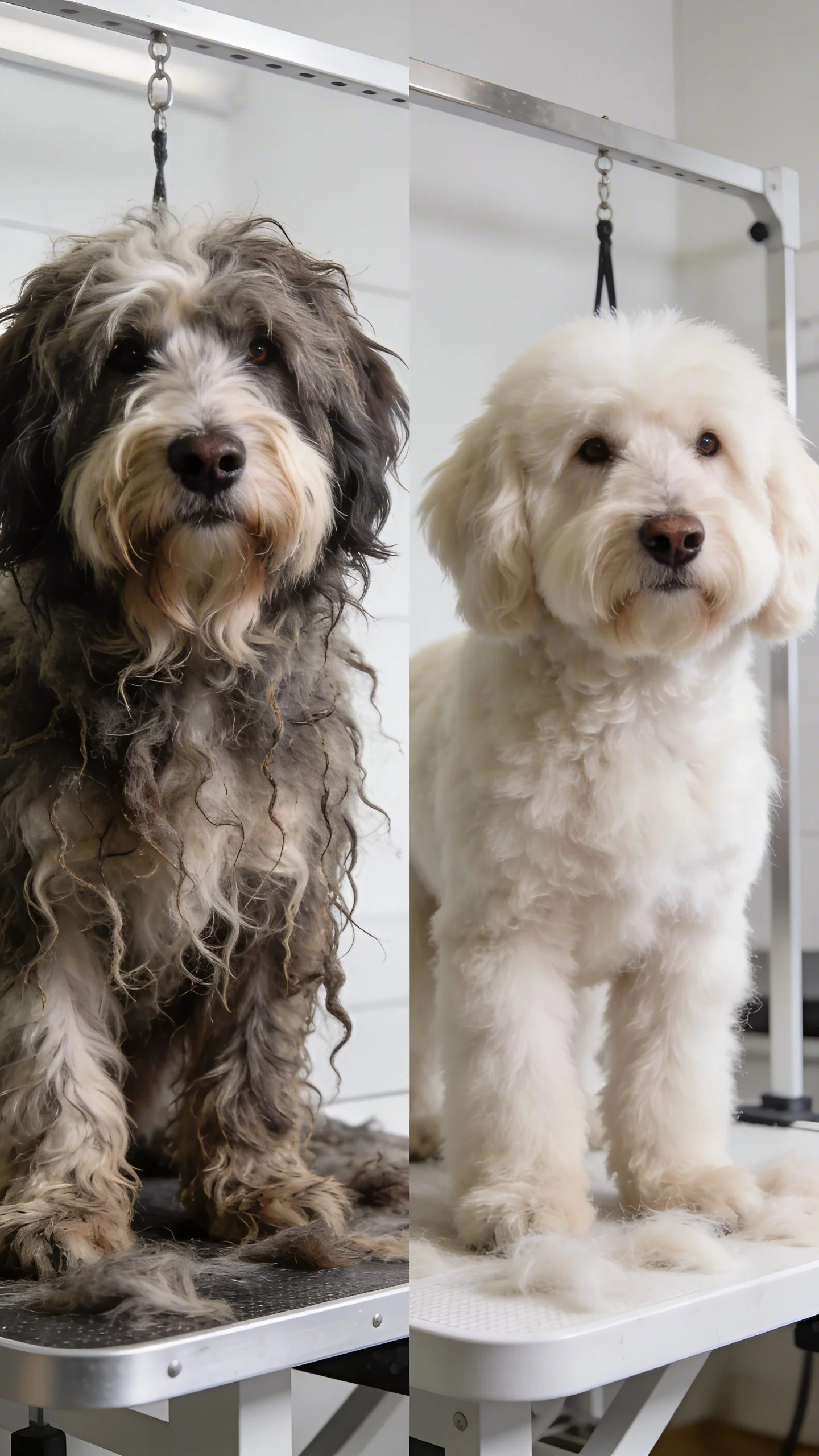
Havanese Dogs Grooming Secrets: How to Keep That Fluffy Coat Healthy Year-Round
Your Havanese may be small enough to fit comfortably in your lap, but that gorgeous flowing coat can create a surprisingly big grooming job.
The good news? You don’t need to turn every grooming session into an all-day event. A consistent routine, gentle technique, and a few basic tools can make coat care much easier.
Havanese have soft, fine hair that can tangle quickly, especially in areas where the coat experiences friction. Once you understand where those problem spots are and how to work through the coat properly, keeping your pup looking neat becomes much more manageable.
Let’s get into the practical routine that can help keep your Havanese comfortable, clean, and beautifully fluffy throughout the year.
Meet the Coat: Why Havanese Hair Acts Like, Well, Human Hair
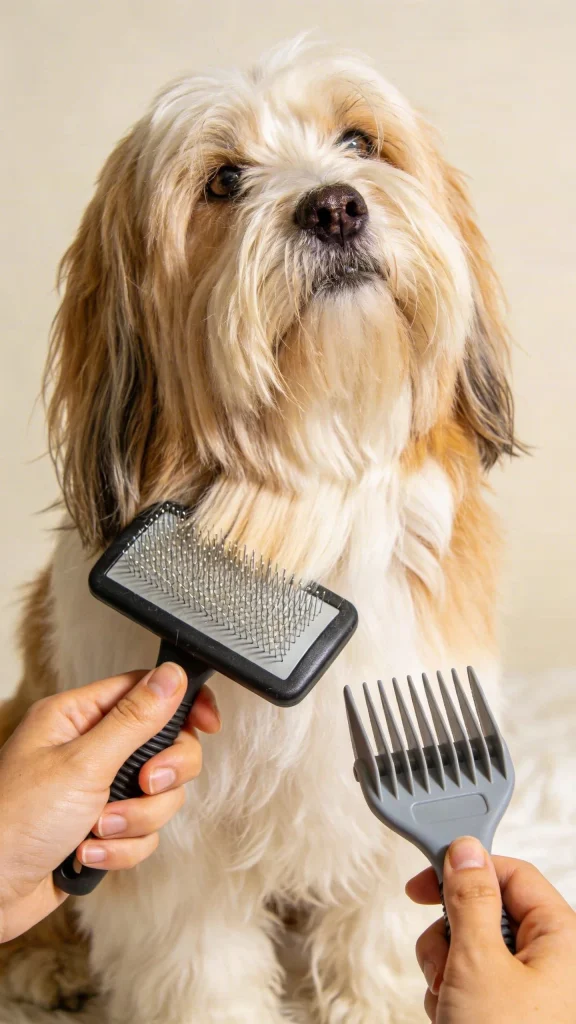
The Havanese coat is one of the breed’s most recognizable features. It is soft, silky, and can grow quite long when left untrimmed.
That beautiful texture comes with a catch: loose hairs can become trapped within the coat instead of simply falling away. As those hairs twist together, little tangles can gradually turn into mats.
You’ll often find trouble starting in places where hair rubs against itself or against something else, including behind the ears, around the legs, beneath the collar, across the chest, and near the armpits.
That’s why grooming works best as a regular habit rather than something you suddenly tackle when the coat already looks tangled.
A Havanese with a longer hairstyle generally requires more maintenance than one kept in a shorter trim. The goal isn’t simply to make the coat look pretty—regular grooming also helps you notice changes in the skin, lumps, irritation, or other problems that might otherwise stay hidden beneath all that hair.
The Non-Negotiables: Your Weekly Grooming Game Plan

The secret to easier Havanese grooming isn’t spending hours wrestling with knots.
It’s staying ahead of them.
Your exact schedule will depend on coat length, texture, lifestyle, and how quickly your individual dog develops tangles. A longer coat usually demands more frequent attention than a short trim.
A practical routine can look something like this:
- Brush and comb several times each week. Longer coats may benefit from daily attention, particularly around areas that tangle easily.
- Bath as needed. Many Havanese do well with regular bathing every few weeks, but the ideal interval depends on the individual dog’s coat, skin, and lifestyle.
- Keep hygiene areas tidy. Hair around the feet, eyes, and sanitary area may need regular trimming for comfort and cleanliness.
- Schedule professional grooming regularly. The timing depends heavily on the haircut you choose. A shorter trim generally allows more time between appointments than a long coat.
The important part is consistency. Ten minutes of maintenance throughout the week is usually much easier than discovering a collection of stubborn mats and trying to solve everything in one afternoon.
Daily Quick Hits (2 Minutes, Tops)
You don’t necessarily need a full grooming session every single day.
A quick inspection can prevent small problems from becoming bigger ones.
- Gently check around the eyes and remove any buildup with a clean, damp cloth.
- Feel behind the ears, underneath the collar, around the armpits, and through the legs for developing tangles.
- Give the facial hair a quick check after meals. Food and moisture can collect around the beard and create sticky knots.
- Take a quick look at the paws for dirt, debris, or hair that needs attention.
These tiny checks are especially useful if your Havanese has a long coat or spends a lot of time outdoors.
Tools That Actually Work (and the Ones That Don’t)
You don’t need to own every grooming gadget on the market.
A small collection of appropriate tools is usually enough to handle the majority of routine coat maintenance at home.
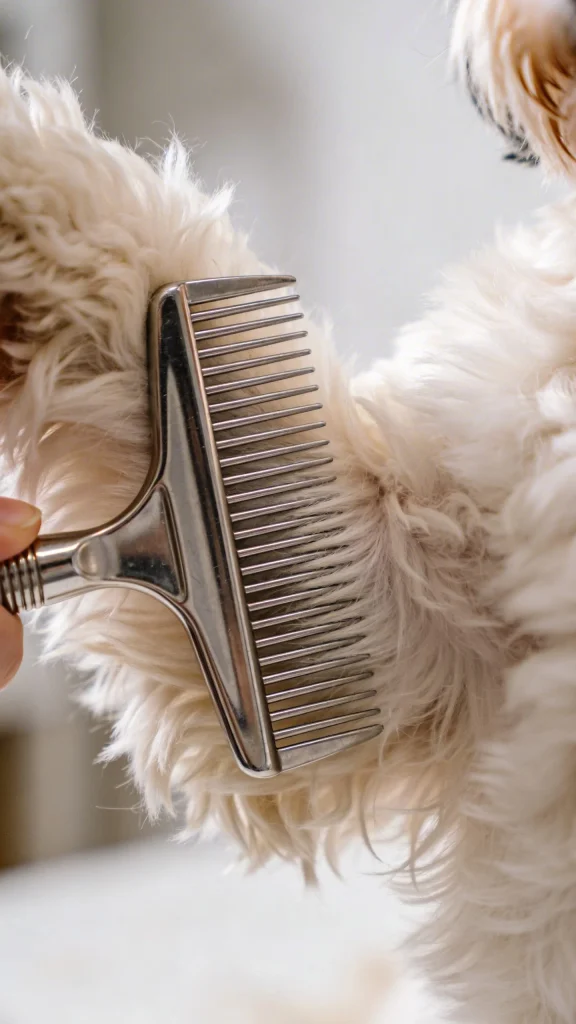
- Slicker brush (soft or medium): A gentle slicker can help separate loose hairs and work through small tangles without excessive pulling.
- Greyhound-style metal comb: A metal comb is useful for checking whether you’ve actually reached through the coat rather than simply smoothing the surface.
- Detangling spray/leave-in conditioner: A suitable dog grooming spray can add slip to the hair and make brushing more comfortable.
- Rounded-tip shears: These can be useful for very small tidy-up jobs, but extra care is needed around the eyes, paws, and other sensitive areas.
- Nail grinder or clippers: Keeping nails at an appropriate length is an important part of routine grooming.
- High-velocity (HV) dryer or cool-setting hair dryer: A suitable dryer can make drying much easier after bathing and can help you brush the coat as it dries.
The most important factor is not how expensive your grooming kit is. It’s whether the tools are appropriate for your dog’s coat and whether you’re using them gently.
Avoid: human shampoos, aggressive dematting tools, and brushes that scratch or scrape the skin. If a tool makes your dog uncomfortable, causes redness, or requires you to pull hard, it’s time to change your technique or equipment.
Brushing Like a Pro: Line Brushing 101

If you have a Havanese with a longer coat, learning how to brush all the way through the hair is one of the most useful grooming skills you can develop.
Simply running a brush over the outside of the coat can make your dog look fluffy while leaving tangles underneath.
Line brushing solves that problem by working through the coat in small sections.
- Lightly mist the coat with an appropriate grooming spray if needed. The goal is to provide some slip rather than soaking the hair.
- Have your dog stand, sit, or lie comfortably. Many owners find it easier to work with the dog lying on one side.
- Separate a small section of hair so you can see or feel down toward the skin.
- Brush that section gently, working through the hair rather than repeatedly dragging the brush across the same surface.
- Follow with your metal comb. If the comb catches, go back and work on that section instead of assuming the brush has finished the job.
- Continue around the body, paying extra attention to the legs, chest, belly, tail, behind the ears, and areas underneath the collar.
- Repeat on the other side.
Take your time. The purpose of grooming is not to finish as quickly as possible. It’s to remove tangles without making the experience uncomfortable for your dog.
Dealing with Mats (Without Tears)
Mats are much easier to deal with when they’re small.
Once a mat becomes dense and tightly packed against the skin, trying to force a brush through it can be painful and may damage the skin.
Here’s a gentler approach for minor tangles:
- Stop and add some slip. Apply an appropriate detangling product to help loosen the hair.
- Separate the knot carefully. Use your fingertips to tease apart small sections rather than immediately attacking the entire mat with a brush.
- Work gradually. Start at the outer portion of the tangle and slowly work toward the base.
- Check with the comb. When the comb can move through the section smoothly, you’ve successfully cleared it.
- Know when to stop. If a mat is dense, extensive, or firmly attached to the skin, let a professional groomer handle it rather than turning the process into a painful battle.
Never assume that pulling harder is the solution. If your dog is repeatedly flinching, trying to escape, or showing signs of discomfort, stop and reassess.
Bath Time Without the After-Mat
[image]
Bathing can leave a Havanese looking fantastic—or create an entirely new collection of tangles if you skip the preparation.
The biggest rule is simple:
Deal with tangles before the coat gets wet.
Water can cause existing knots to tighten, making them significantly harder to remove afterward.
Before the Bath
- Brush and comb thoroughly first. Make sure you have worked through existing tangles before introducing water.
- Check the coat for hidden mats, especially behind the ears, under the legs, around the neck, and near the tail.
- Prepare your shampoo, conditioner, towels, and drying equipment before your dog gets wet.
- If you use cotton balls around the ears, make sure they are placed safely and never pushed into the ear canal.
During the Bath
- Use comfortably warm water rather than very hot water.
- Choose a shampoo specifically formulated for dogs.
- Work the shampoo gently through the coat instead of aggressively scrubbing in circles.
- Pay attention to areas that collect dirt while keeping shampoo away from the eyes.
- If you use conditioner, apply it according to the product’s directions.
- Rinse extremely well. Shampoo or conditioner left behind can irritate the skin and leave the coat heavy or sticky.
Drying and Fluffing
- Use a towel to gently press excess water from the coat instead of vigorously rubbing it.
- Dry the coat thoroughly using an appropriate low-heat or cool setting.
- Brush through manageable sections as you dry to help keep the hair separated.
- Don’t leave the coat damp for long periods.
- Once completely dry, run the comb through the coat one more time to check for any hidden tangles.
Drying is an important part of grooming, not an optional finishing step. A damp, tangled coat can quickly become difficult to manage.
Cut or Keep It Long? Choosing the Right Style
There’s no prize for choosing the longest possible haircut if you’re struggling to maintain it.
A full, flowing coat can be beautiful, but it demands a serious grooming commitment. If your schedule doesn’t allow for frequent brushing, a shorter style may be a much better choice for both you and your dog.
Here are a few popular approaches:
- Puppy cut (1–2 inches): A shorter, practical style that can make everyday maintenance considerably easier.
- Teddy trim: A rounded, plush-looking style that keeps some length while creating a soft appearance.
- Show-length coat: A long coat requires substantially more maintenance and commitment. If you choose this look, expect grooming to become a regular part of your routine.
The best haircut is the one you can realistically maintain.
A beautifully maintained shorter coat is much better than a long coat that’s constantly developing painful mats.
Face, Feet, and Fanny—The Comfort Trio
Certain areas deserve extra attention because hair growth there can affect comfort and cleanliness.
- Eyes: Keep hair from irritating the eyes, and gently clean away discharge or debris. Be especially careful when trimming anywhere near the eyes.
- Feet: Keep excess hair around the paws under control so your dog can walk comfortably and maintain good traction.
- Sanitary area: Keeping this area neatly trimmed can make cleanup easier and prevent hair from becoming contaminated.
If you’re uncomfortable using scissors around sensitive areas, leave those trims to a professional groomer.
Seasonal Tweaks: Year-Round Coat Care
Your grooming routine doesn’t have to remain exactly the same throughout the year.
Weather, outdoor activities, and changes in your dog’s routine can all affect how much coat maintenance is necessary.
- Spring: Outdoor allergens and plant debris can become more noticeable. Check the paws and coat after walks and brush regularly.
- Summer: A practical shorter trim may make coat maintenance easier. Focus on keeping your dog comfortable rather than assuming shaving is necessary.
- Fall: Seeds, burrs, leaves, and other outdoor debris can become trapped in long hair. Check the legs, tail, ears, and belly after outdoor adventures.
- Winter: Wet conditions, mud, snow, and road salt can cling to the hair around the feet and legs. Clean and dry these areas after walks when necessary.
Always consider the actual weather and your dog’s lifestyle rather than following a rigid seasonal calendar.
Nutrition and Skin: The Secret Under the Fluff
Coat quality isn’t determined by grooming alone.
A Havanese needs an appropriate, nutritionally complete diet, along with regular access to fresh water. Good nutrition supports normal skin and hair growth, while dehydration and certain health problems can affect the appearance and condition of the coat.
If you notice sudden changes such as excessive itching, unusual dandruff, bald patches, redness, persistent odor, or a dramatic change in coat quality, don’t assume you simply need a better shampoo.
Skin and coat problems can have many causes, so persistent changes deserve a conversation with your veterinarian.
Common Mistakes (And Easy Fixes)
- Brushing only the surface. Fix: Work through the coat in small sections so you can reach the hair closer to the skin.
- Skipping conditioner when your dog’s coat needs extra slip. Fix: A suitable dog conditioner can make the hair easier to manage after shampooing.
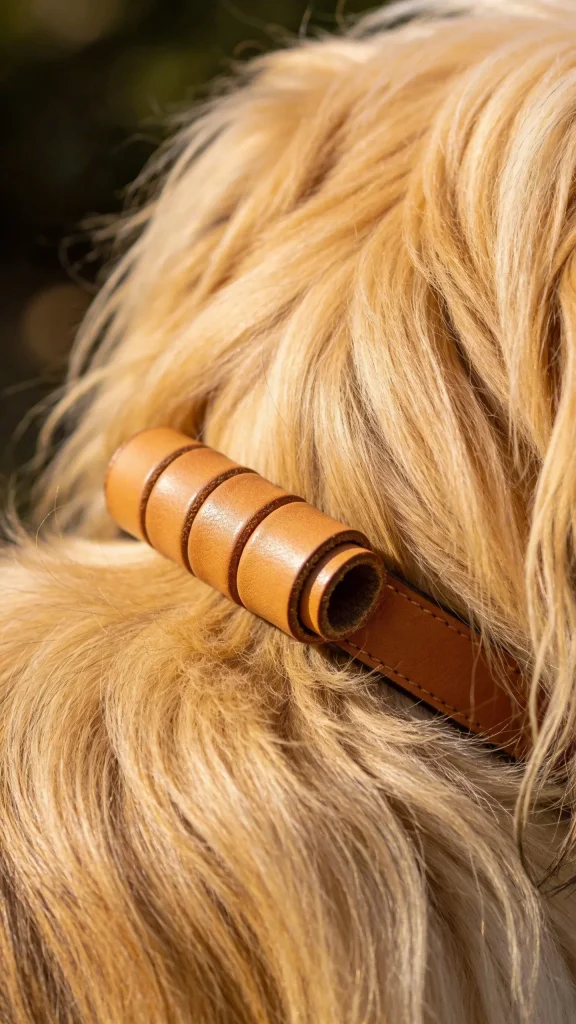
- Letting collars mat the neck. Fix: Check underneath the collar frequently and brush that area carefully.
- Infrequent brushing + long coat. Fix: Increase grooming frequency or choose a shorter haircut that’s easier to maintain.
- Overbathing with harsh shampoo. Fix: Use a gentle dog-specific formula and bathe according to your dog’s individual needs rather than simply washing whenever the coat looks slightly dirty.
One of the biggest mistakes is waiting until the coat looks obviously tangled. By then, some of the problems may already be hiding beneath the surface.
FAQ
How often should I brush my Havanese to prevent mats?
A Havanese generally needs frequent brushing, especially when the coat is kept long. Several thorough sessions each week may be enough for some dogs, while a full or easily tangled coat may benefit from daily attention.
Instead of focusing only on a specific number of minutes, focus on whether the entire coat is actually being maintained.
If your comb repeatedly catches in the hair, that’s a sign you need to spend more time or groom more frequently.
What’s the best brush for a Havanese?
A gentle slicker brush paired with a metal comb is a useful combination for many Havanese.
The brush helps separate and detangle the hair, while the comb lets you check whether you’ve worked through the coat completely.
The technique matters just as much as the equipment. Even an excellent brush won’t prevent mats if you’re only brushing the top layer.
Can I bathe my Havanese too often?
Yes.
Bathing too frequently can dry or irritate the skin, particularly if you’re using products that aren’t appropriate for dogs.
There’s no universal schedule that works perfectly for every Havanese. Coat length, activity, skin condition, and lifestyle all matter.
Use a gentle dog-specific shampoo, rinse thoroughly, and avoid bathing simply because a particular day on the calendar says it’s time.
How do I stop tear stains?
Start with simple hygiene.
Gently clean the hair around the eyes with a clean, damp cloth and keep the area from staying wet or dirty.
However, tear staining isn’t always just a cosmetic issue. Persistent tearing, redness, swelling, squinting, unusual discharge, or irritation should be checked by a veterinarian.
Don’t use harsh household products or unapproved whitening products around your dog’s eyes.
Is a puppy cut easier to maintain?
Yes, generally.
Keeping the coat shorter reduces the amount of hair that can twist together into large mats and makes brushing, bathing, and drying considerably easier.
It doesn’t mean grooming disappears completely. Your Havanese will still need regular brushing, bathing, nail care, and attention to areas such as the eyes, paws, ears, and sanitary region.
What if my dog already has severe mats?
Don’t turn the situation into a wrestling match.
Large or tightly packed mats can pull on the skin and make grooming painful. Trying to cut them out yourself with scissors can also result in accidental injuries because it’s difficult to tell where the skin ends and the mat begins.
A professional groomer can assess the coat and decide on the safest way to remove severe matting. Sometimes a shorter haircut is the kindest option.
Afterward, start a manageable grooming routine so the problem doesn’t build up again.
Wrap-Up: Fluff Happens—But You’ve Got This
A beautiful Havanese coat doesn’t happen by accident.
The real secret is consistency. Check the trouble spots regularly, brush through the coat properly, keep baths manageable, dry thoroughly, and choose a haircut that matches the amount of time you’re realistically able to spend on grooming.
If you love the long, flowing look, be prepared for the extra maintenance that comes with it. If life is busy, there’s absolutely nothing wrong with choosing a shorter style that keeps your dog comfortable and makes everyday care easier.
The goal isn’t to create a perfect show-ring coat every day.
It’s to have a comfortable dog, healthy skin, manageable hair, and a grooming routine that neither you nor your Havanese dread.
Once you find that rhythm, grooming becomes much less of a chore—and a lot more like another little part of taking care of your best friend.