How to Train a 6-Month-Old Dog: 7 Essential Training Tips
So, your dog is officially six months old, huh? That is right in the middle of puppy chaos and teenage rebellion. They are still adorable, but let us be honest, they have probably developed a few annoying habits too.
The good news? Six months is a great time to start, or reinforce, training. Your dog is a little older, a little wiser, and totally ready to learn. Plus, now is the time to fix any habits you would rather not deal with long-term.
In this guide, I will share 7 training tips that will help you get your 6-month-old pup on track, without losing your sanity.
Want a Better-Trained, Happier Dog?
Get practical guidance for obedience, behavior, and everyday dog training with a collection of helpful training guides designed for dog owners.
This post may contain affiliate links. If you purchase through our link, we may earn a commission at no additional cost to you.
Key Takeaways:
- Consistency is everything, stick to your training plan.
- Positive reinforcement helps your pup learn faster.
- Patience is key, they are still learning, even if it feels slow.
1. Be Consistent — Seriously, It’s Non-Negotiable
If there is one thing dogs thrive on, it is consistency. At six months, your pup is smart enough to recognize patterns, and believe me, they will pick up on inconsistencies faster than you think. If you let them jump on the couch today but scold them for it tomorrow, they will be confused and start thinking the rules do not really apply (classic teenager vibes, right?). Pick a set of rules and stick to them.
For example:
- If the dog is not allowed on furniture, make sure everyone in the house enforces that.
- If you are crate training, be consistent with when you use the crate (and do not give in to those puppy-dog eyes when they beg to sleep in your bed just this once).
Remember, dogs need structure, without it, they will create their own. And trust me, their version of structure usually involves tearing through your shoes or treating the trash can like a buffet.
2. Positive Reinforcement — AKA, Bribery Works
Let us be real: dogs love treats. And honestly, who can blame them? Positive reinforcement is the best way to get your 6-month-old pup to obey. Every time they follow a command, reward them with a treat, praise, or their favorite toy. You are essentially telling them, hey, do this, and good things happen.
Pro tip: make sure you are using high-value treats. Not that basic kibble, nope, we are talking tiny bits of chicken, cheese, or even special dog treats. The smellier, the better. And do not skimp on the praise. Sometimes a belly rub and a cheerful Good dog is as powerful as a treat.
And please, do not punish your dog. It will just confuse them and make training harder. Focus on rewarding the behaviors you want, and ignore the ones you do not.
3. Leash Training — No, They Shouldn’t Be Dragging You Around
At six months, your dog is probably getting bigger, and stronger. You might have noticed that walks are starting to feel like a full-body workout, with your pup yanking you down the street like they are on a mission to sniff every tree in a five-mile radius. That is why leash training is so important.
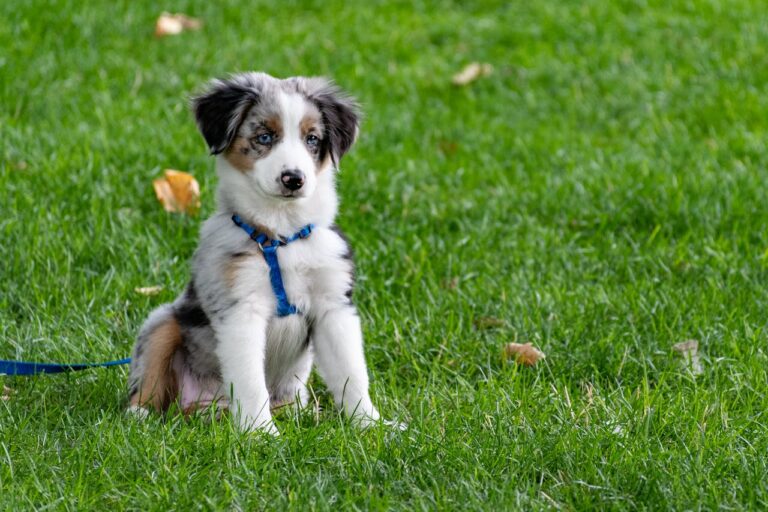
Start by getting a comfortable harness (because, FYI, pulling on their neck is not great for their throat). When your dog starts pulling, stop walking. Do not move until they come back to you or stop pulling. Once they do, reward them and continue walking. Repeat this process every time they pull.
It might take some patience (okay, a lot of patience), but eventually, your dog will learn that pulling does not get them anywhere. Bonus: no more being dragged across the park like you are auditioning for a bad dog-walking sitcom.
4. Socialization — Because Your Dog Shouldn’t Be a Loner
Your 6-month-old dog might be past the everything is terrifying phase, but socialization is still super important. If you do not expose them to different people, places, and other dogs, they could become anxious or reactive as they grow up.
Take your pup to dog-friendly parks, introduce them to new friends (both human and furry), and even visit pet-friendly stores. The goal is to make sure your dog feels comfortable in different environments so they do not freak out when a new situation pops up.
Pro tip: try to keep these experiences positive. You want your dog to associate new things with fun, not fear. So, bring treats and make every interaction a little celebration.
5. Crate Training — It’s Not a Jail Cell, I Promise
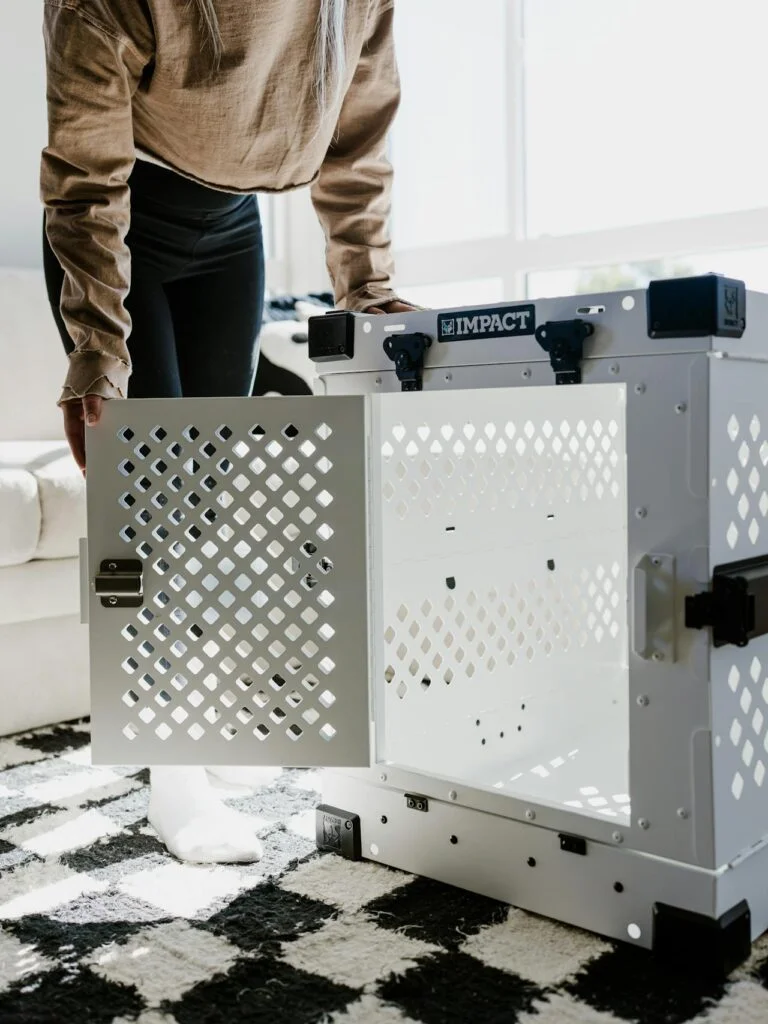
Some people think crates are mean, but let me tell you, when used properly, crates are actually a godsend. They give your dog a safe space to chill, help with house training, and prevent them from causing chaos when you are not around to supervise.
But here is the catch: crate training should be positive. Never use the crate as punishment. You want your dog to think of it as their cozy little den, not a timeout spot. Start by leaving the crate door open and tossing treats inside. Let your dog explore it at their own pace, and once they seem comfortable, start closing the door for short periods while you are in the room.
Gradually increase the time they spend in the crate, and make sure they get plenty of love, treats, and praise when they are in there. Soon enough, they will happily go to their crate for naps or quiet time. Just do not expect them to send a thank-you note.
6. Address Bad Habits — Don’t Wait Until They’re Full-Grown
By six months, your dog might have already picked up a few bad habits. Maybe they are still nipping at your hands, barking at every squirrel that crosses their path, or chewing on furniture like it is their personal chew toy collection. Now is the time to nip those behaviors in the bud, before they become even bigger problems down the road.
Here is how to tackle some common issues:
- Nipping: Redirect their attention to a toy whenever they nip at your hands. If they bite too hard, let out a yelp (like their littermates would) and stop playing for a few moments. This helps them learn that biting too hard means fun time ends.
- Chewing: Make sure they have plenty of appropriate chew toys, and redirect them whenever they start gnawing on something they should not (like your brand-new shoes).
- Barking: Teach them the “quiet” command. Reward them when they stop barking, and do not shout, it will just sound like you are joining in on the barking party.
7. Keep Training Sessions Short and Sweet — Because Dogs Have Short Attention Spans
Let us be real: your 6-month-old dog is not exactly ready for hour-long training sessions. In fact, they will probably lose interest after about 10 to 15 minutes. Keep your training sessions short, fun, and engaging. Break up training into multiple short sessions throughout the day instead of trying to cram everything into one long session.
For example:
- Spend 5 minutes practicing “sit” before breakfast.
- Do a 10-minute leash training session during your walk.
- Teach a fun new trick like “shake” after dinner.
This keeps your dog engaged without overwhelming them, and makes training feel more like a game than a chore.
FAQs About Training a 6-Month-Old Dog
Q: Is it too late to start training my 6-month-old dog?
A: Nope, it is not too late. Six months is actually a great time to train your dog. They are still young and eager to learn, but they have outgrown some of that early puppy chaos.
Q: How long should training sessions be?
A: Keep them short, around 10 to 15 minutes. Dogs have short attention spans, especially when they are young. Multiple short sessions work better than one long session.
Q: What if my dog won’t listen to me?
A: Be patient. Training takes time. If your dog is not listening, they might be bored, tired, or just distracted. Try shortening your training sessions or using higher-value treats to keep their attention.
Q: How much exercise does my 6-month-old dog need?
A: Your dog needs both mental and physical exercise. A couple of daily walks, combined with training and playtime, should do the trick. Remember: a tired dog is a well-behaved dog.
Final Thoughts: Patience, Consistency, and Treats — Your Secret Weapons
Training a 6-month-old dog is like training a furry little toddler with extra energy and sharp teeth. It is not always easy, but with consistency, positive reinforcement, and a whole lot of patience, you will turn that wild pup into a well-mannered dog in no time.
And remember, dogs feed off your energy. Stay calm, be consistent, and do not forget to celebrate the small wins (because every little success counts). Plus, with enough practice, your 6-month-old pup will be obeying commands like a pro, and maybe, just maybe, you will get through a walk without being dragged down the street.