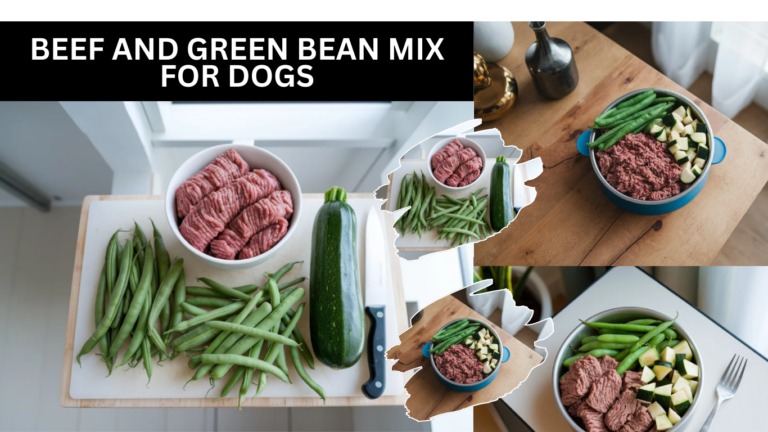
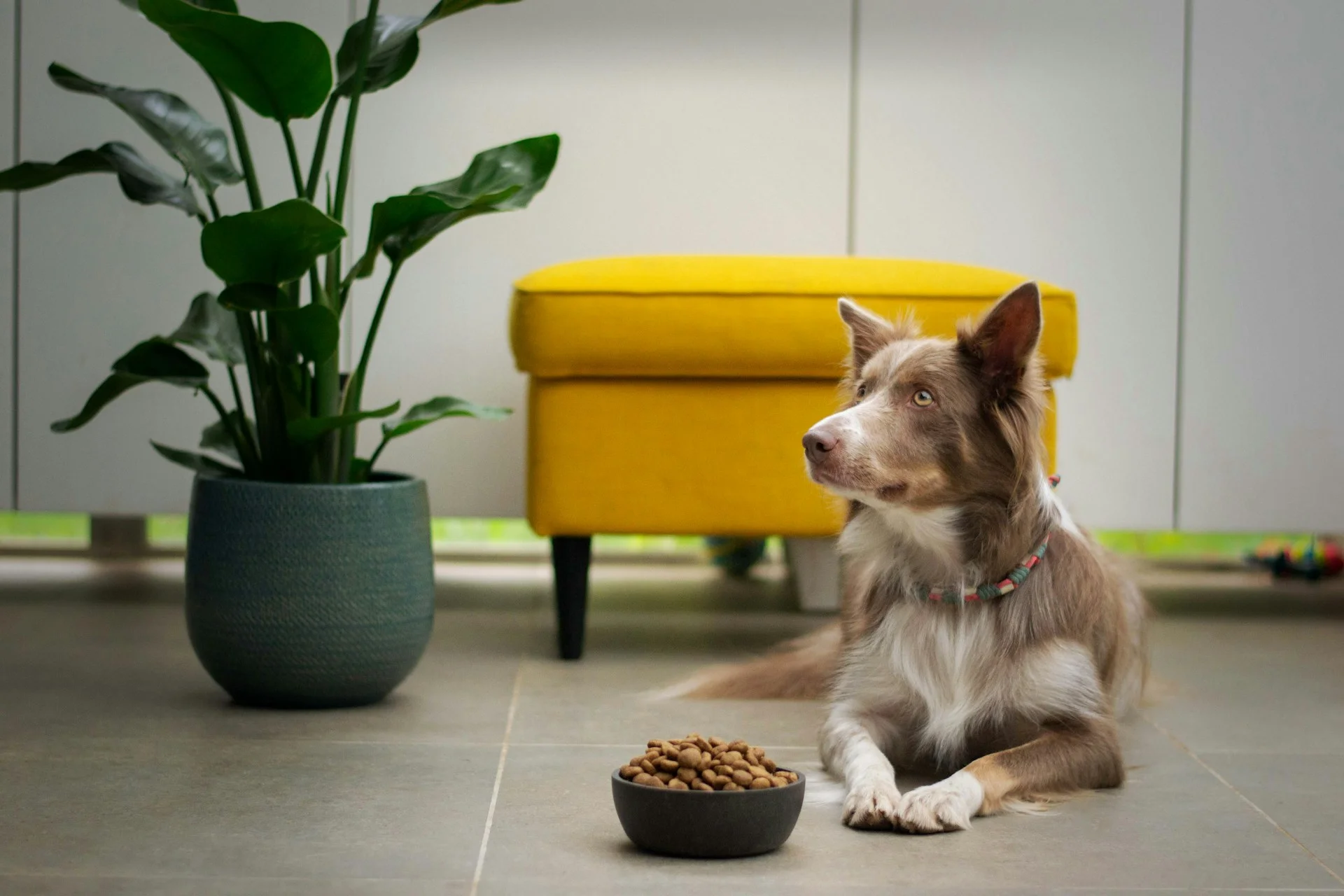
Meal Prep for Dogs: Chicken Dog Food & Vitamin B
Meal Prep for Dogs: Chicken Dog Food & Vitamin B
Look, if you’re here, you’re probably someone who genuinely cares about what goes into your dog’s bowl. I get it. After more than 20 years of living with dogs, grooming them, cooking for them, and adjusting meals for allergies, seniors, and high-energy pups, I can tell you this—food matters.
You might be wondering, “Can I give my dog chicken with added Vitamin B?”
Short answer: yes.
Longer answer: yes, but it needs to be done correctly.
Dogs need a full range of nutrients to stay energetic, mentally sharp, and physically healthy. Protein alone won’t cut it. I’ve seen firsthand what balanced homemade meals can do for a dog’s coat, digestion, and overall mood.
Key Takeaways
• Chicken is an excellent protein but not a complete meal on its own
• Vitamin B supports energy, nerve function, skin, and coat health
• Whole foods provide safer Vitamin B sources than supplements
• Homemade meals must avoid toxic ingredients and excess fat
• Balance and variety are essential for long-term dog health
Why Chicken Rocks (But Isn’t Enough Alone)
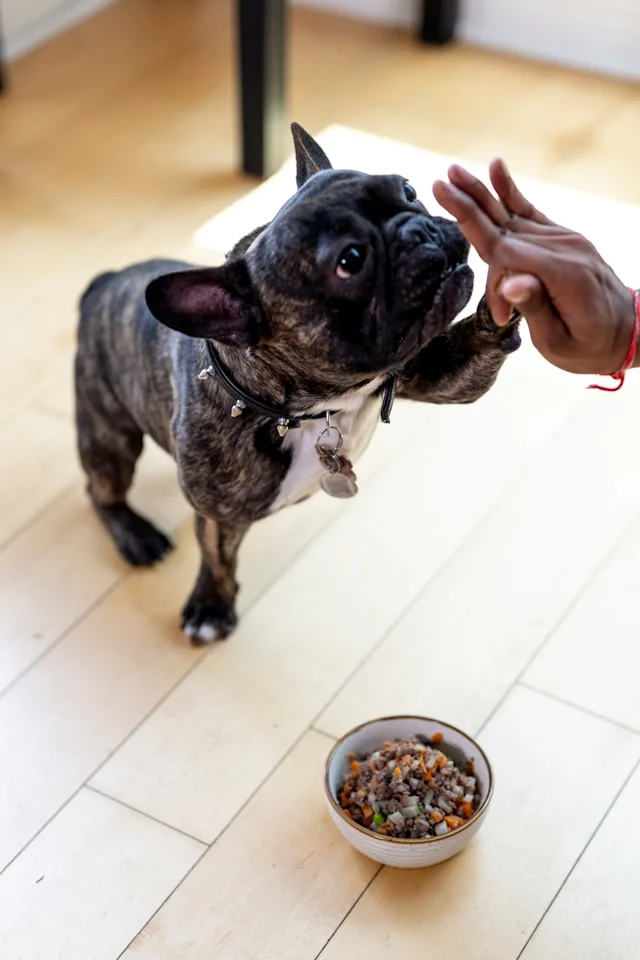
Chicken has been a staple in my dog meal prep routine for years, especially for dogs with sensitive stomachs or food intolerances.
Chicken is lean, easy to digest, and packed with high-quality protein. Protein supports muscle maintenance, immune health, and tissue repair. According to veterinary nutrition data, adult dogs require protein for nearly every metabolic function in their body.
Pros of chicken for dogs:
High in protein
Contains essential amino acids
Low in fat when skinless
Gentle on digestion
That said, feeding plain chicken every day creates nutrient gaps. Dogs require B vitamins for converting food into energy, supporting nervous system health, maintaining healthy skin, and promoting a glossy coat. Chicken contains some B vitamins, but not enough to meet daily needs on its own.
Chicken is a strong foundation—but it needs backup.
The All-Star Cast: Best Dog-Safe Foods to Add
This is where homemade meals really shine. When I build meals for dogs, I focus on whole foods that naturally supply Vitamin B rather than relying on synthetic supplements.
Veggies That Bring the Heat (Vitamin B, That Is)
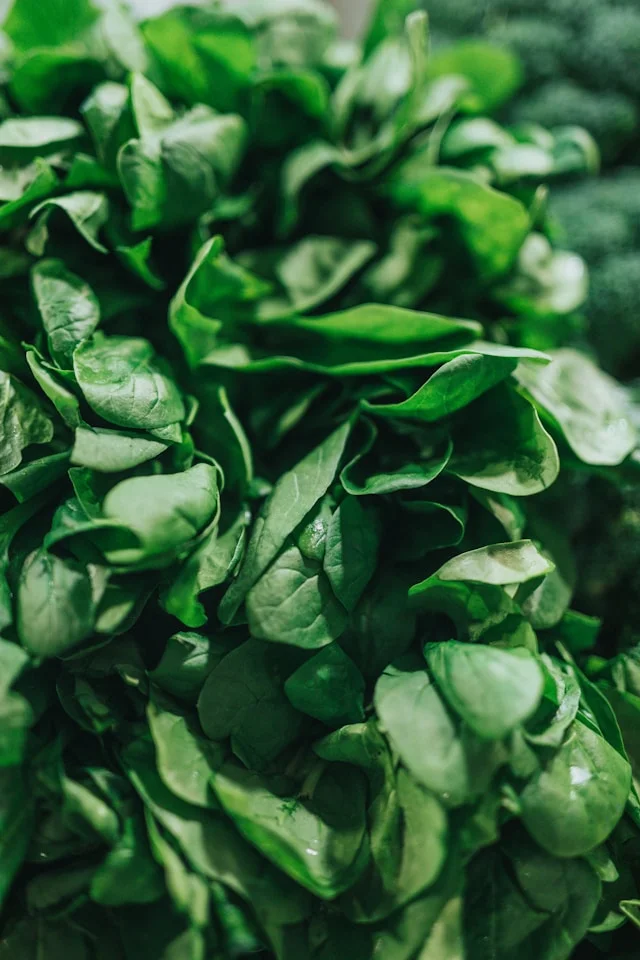
Vegetables play a critical role in dog nutrition, even though many people overlook them. I’ve seen improved digestion and stool quality just by adding the right veggies.
Top dog-safe vegetables rich in Vitamin B:
Spinach – rich in B2, B6, and folate, supports metabolism and cell function
Green beans – low calorie, gentle fiber source with B vitamins
Broccoli – contains B1, B2, and B6; keep portions small
Sweet potatoes – excellent source of B6 and fiber, supports gut health
Pro tip from experience: lightly steam vegetables. Cooking improves nutrient absorption and reduces digestive upset. Raw vegetables can be tough on a dog’s stomach.
Other Yummy, Dog-Safe Additions
Over the years, these additions have consistently delivered results I can see—better coats, more energy, and fewer digestive issues.
Eggs – rich in B12 and biotin, excellent for skin and coat
Pumpkin – supports digestion and provides B vitamins
Brown rice – offers B3, B5, and B6 for steady energy
Salmon – small amounts provide B12 and omega-3 fatty acids for joint and coat health
According to canine nutrition studies, dogs fed balanced homemade diets often show improved coat condition within 4–6 weeks when fatty acids and B vitamins are adequate.
Simple DIY Chicken & Vitamin B Dog Meal
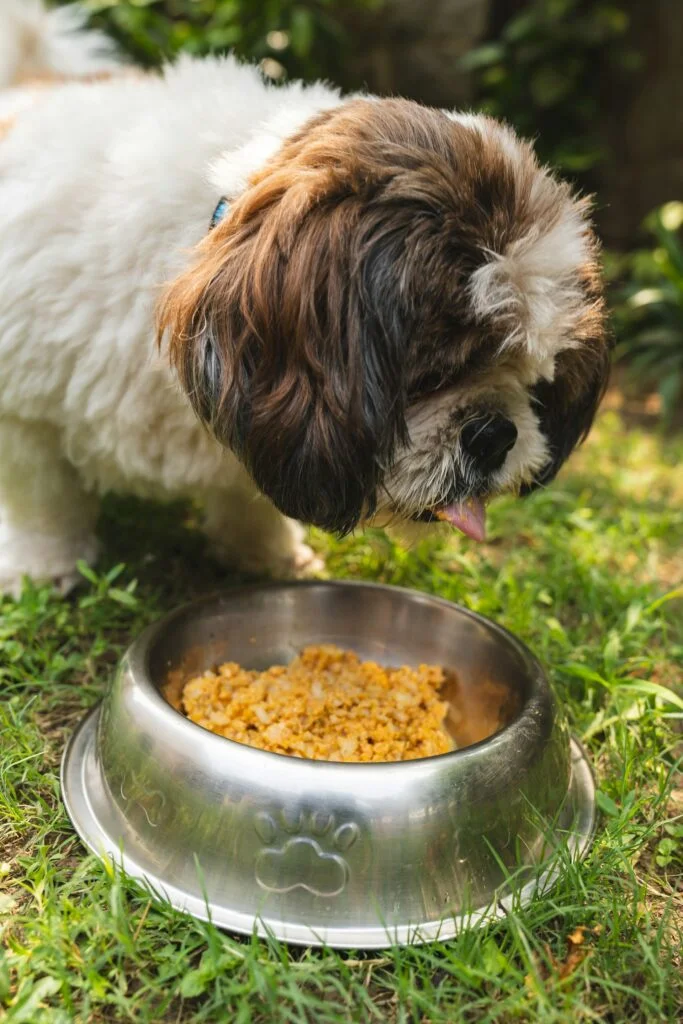
I’ve cooked variations of this meal for years. It’s simple, balanced, and practical for real life.
Ingredients:
1 cup cooked chicken breast, shredded
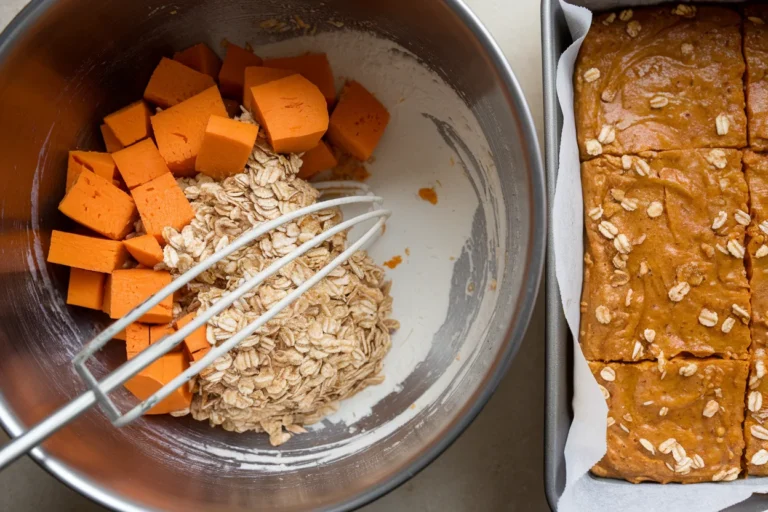
½ cup steamed sweet potato, mashed
¼ cup steamed spinach
¼ cup cooked brown rice
1 scrambled egg (no oil or seasoning)
Small amount of cooked salmon (optional)
How to throw it all together:
Cook all ingredients thoroughly
Mix everything in a large bowl
Allow the food to cool completely
Serve appropriate portions based on your dog’s size
This meal provides protein, complex carbs, fiber, and multiple B vitamins without unnecessary fillers.
A Few Rules So You Don’t Accidentally Ruin Everything
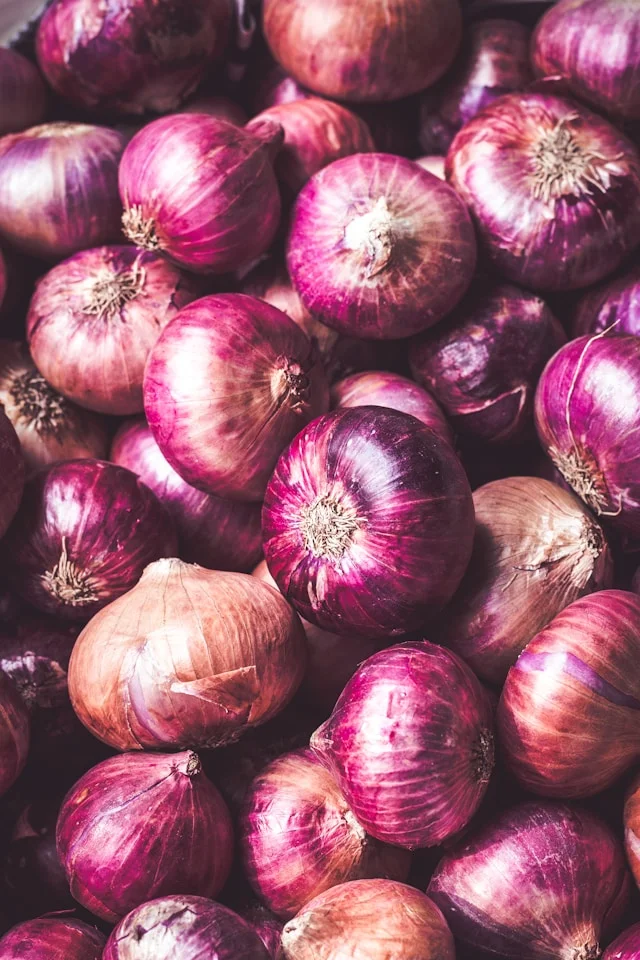
After decades with dogs, I’ve learned that mistakes usually come from good intentions.
Never add these:
Onions or garlic – toxic to dogs
Excess salt – strains kidneys
Butter, oils, spices – cause digestive upset
Grapes, raisins, chocolate – highly toxic
Always transition new meals slowly over 5–7 days to avoid stomach upset.
But Wait—What About Vitamin B Supplements?
I get asked this a lot. In my experience, most dogs don’t need Vitamin B supplements if they’re eating a properly balanced homemade diet.
Too much Vitamin B, especially synthetic forms, can cause digestive issues or imbalance other nutrients. Whole foods provide safer, bioavailable sources.
If supplementation is necessary, it should always be dog-specific and vet-approved.
Final Thoughts: Be the Chef Your Dog Deserves
Cooking for your dog doesn’t have to be complicated. After 20 years of doing this, I can confidently say that simple, fresh, balanced meals beat ultra-processed food every time.
You don’t need perfection—you need consistency, variety, and awareness. Your dog may not say thank you, but the energy, coat shine, and happy demeanor will say it for them.
And yes, homemade dog food really does hit different. 🐶