Nutritious Crockpot Dog Food Recipes
I never imagined I’d start cooking for my dog either, but everything changed when I noticed how much better my dog responded to fresh, home-cooked meals. After dealing with digestive issues and low energy phases, I began researching homemade dog nutrition more seriously. With guidance from my vet and a lot of trial and error in my own kitchen, I developed a few crockpot recipes that are simple, time-saving, and supportive of long-term health.
Key Takeaways
- Homemade crockpot meals allow better control over ingredients and quality
- Slow cooking preserves nutrients while making food easier to digest
- Protein-rich diets support muscle health and energy in dogs
- Balanced nutrition (including calcium and vitamins) is critical for safety
- Batch cooking saves time and ensures consistency
- Improper homemade diets can lead to deficiencies—vet guidance is essential
- Dogs benefit from fresh food with improved digestion, coat health, and energy
Studies show that over 50% of pet owners are now considering homemade diets, but research also highlights that nearly 95% of homemade recipes are nutritionally incomplete if not properly balanced. That’s why I always emphasize doing this the right way.
Easy Crockpot Dog Food
Click “Next” to see the recipes!
A Vital Warning!

One of the biggest lessons I learned early on is that most homemade dog food recipes online are not nutritionally complete. Long-term feeding without proper balance can lead to serious issues like weak bones, poor immunity, and metabolic disorders.
What You MUST Do:
These recipes are a BASE, not a complete meal.
You MUST consult your veterinarian or a Board-Certified Veterinary Nutritionist.
Your vet will recommend the exact supplements needed to make these meals complete and safe.
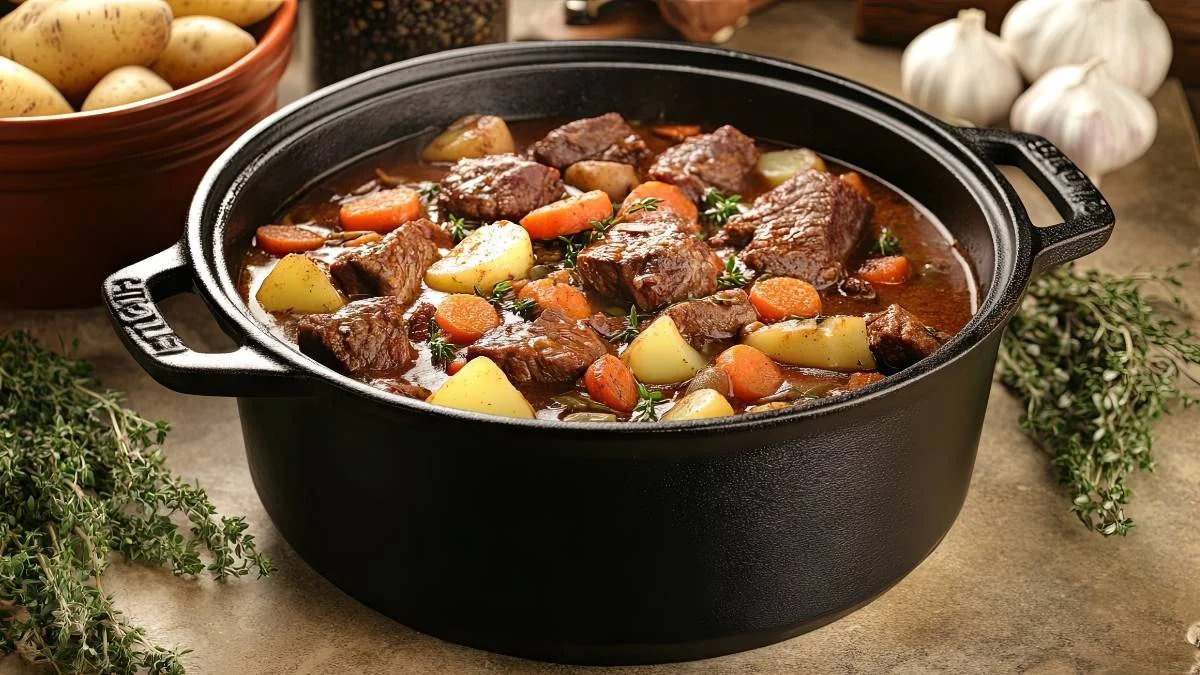
Recipe 1: Beef & Sweet Potato Stew
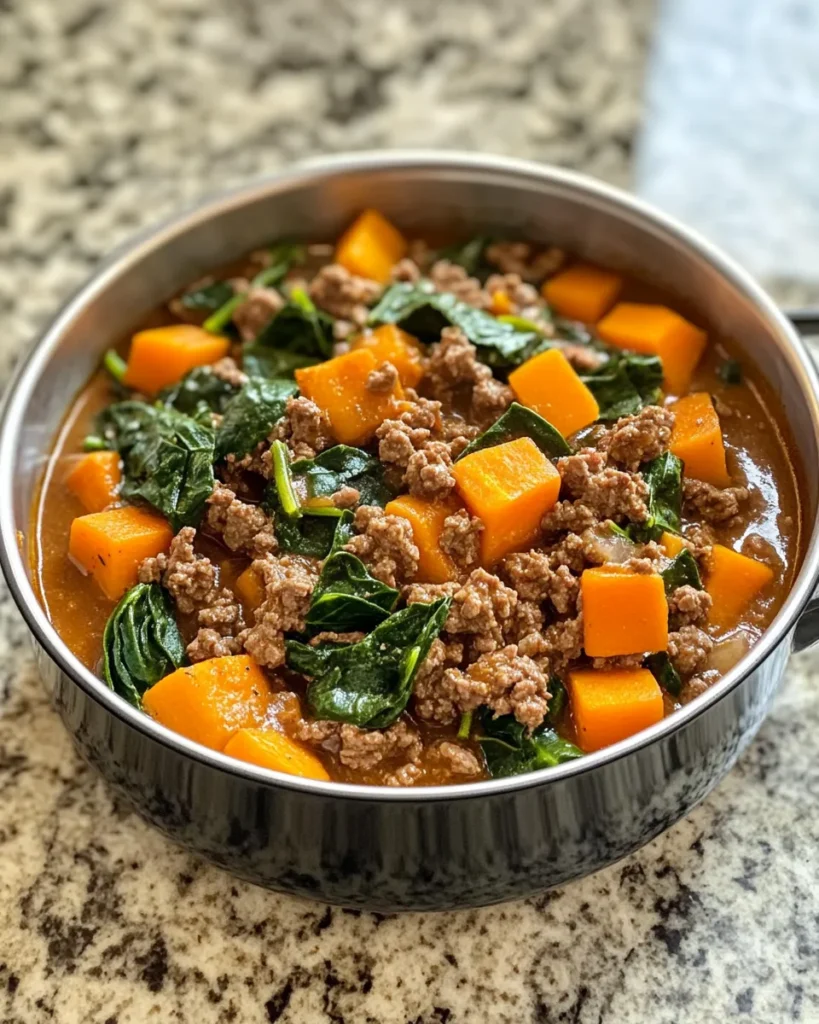
A hearty, nutrient-dense recipe that works especially well for active dogs. Beef provides iron and protein, while sweet potatoes and vegetables support digestion and immunity.
Ingredients
- 2.5 lbs lean ground beef
- 1.5 cups brown rice
- 1 large sweet potato, diced
- 1.5 cups chopped carrots
- 1.5 cups butternut squash
- 1 can kidney beans (rinsed)
- 4 cups water or low-sodium broth
Instructions
Add all ingredients to the slow cooker
Stir thoroughly to break up the beef
Cook on LOW for 5–6 hours or HIGH for 2–3 hours
Let it cool completely before serving
Recipe 2: “Sensitive Tummy” Turkey & Rice
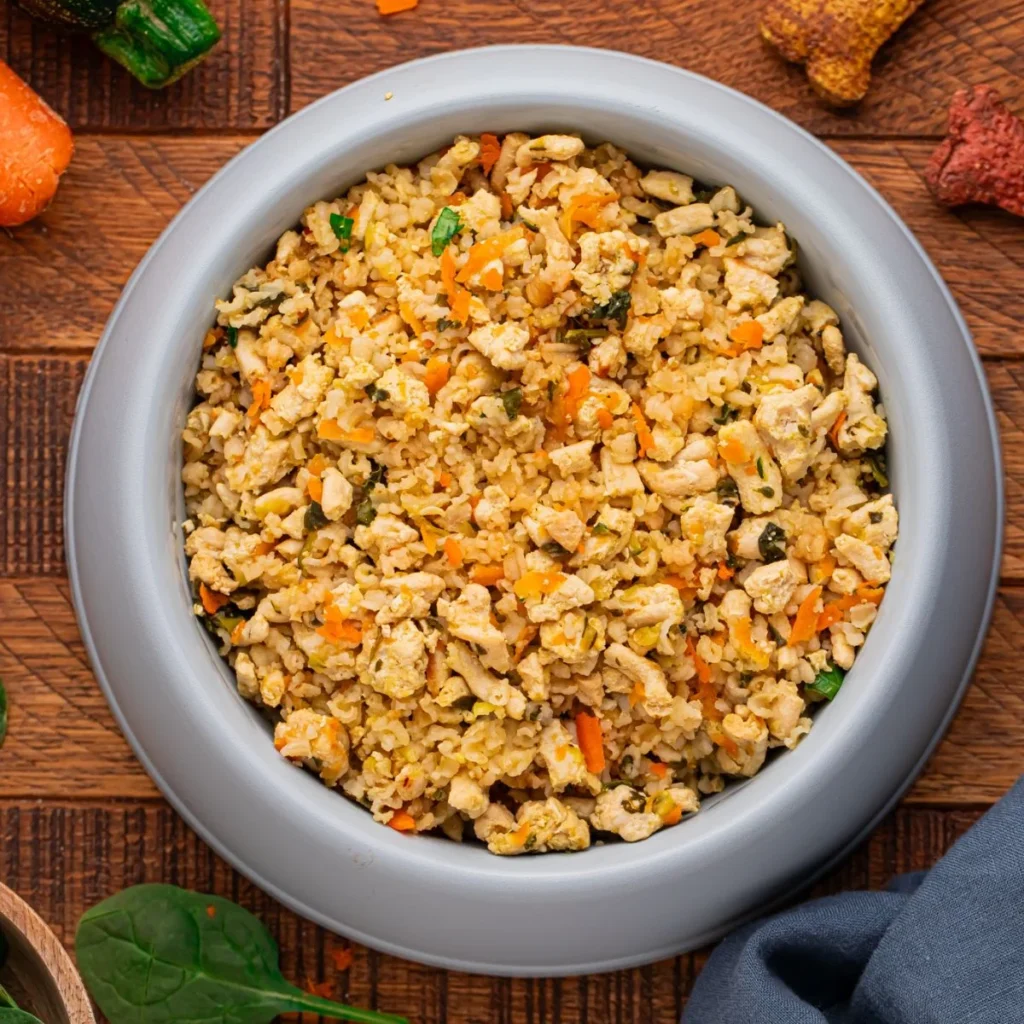
This is one of the first recipes I used when my dog had digestive issues. It’s gentle, easy to digest, and highly effective for sensitive stomachs.
Ingredients
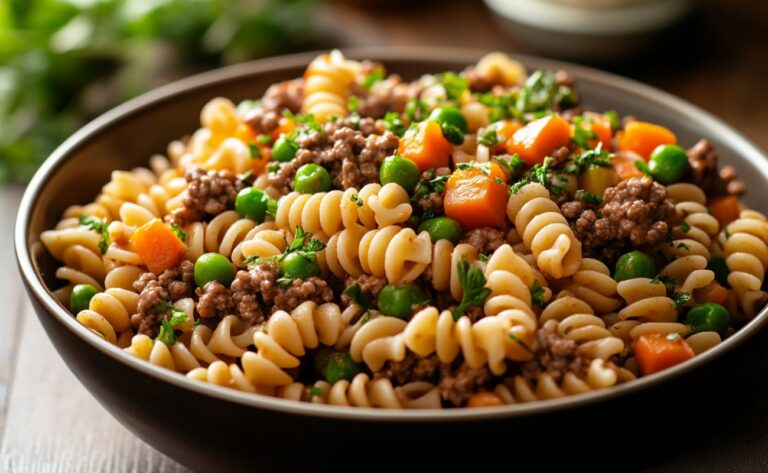
- 3 lbs ground turkey
- 1.5 cups brown rice
- 1.5 cups peas and carrots
- 1.25 cups sweet potatoes
- 1 cup spinach
- 4 cups water or broth
Instructions
Place all ingredients into the slow cooker
Mix well to break up the turkey
Cook on LOW for 6 hours or HIGH for 3–4 hours
Cool completely before serving
Recipe 3. Simple Start Chicken Veggie Blend
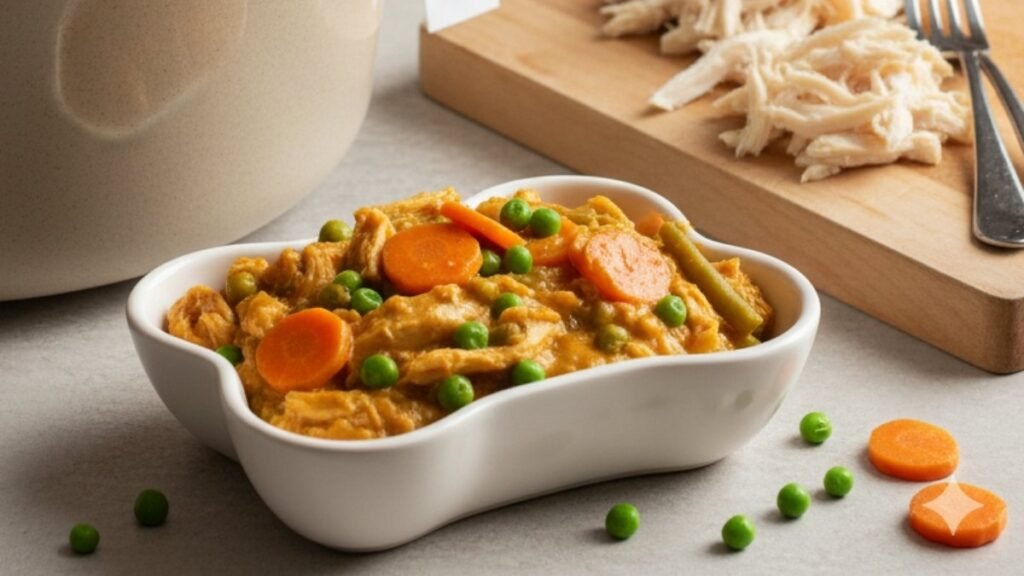
This is one of those recipes I personally rely on when I want something clean, simple, and highly digestible for dogs. When I first introduced homemade meals to my dog, I noticed that overly complex recipes sometimes caused mild stomach upset. That’s why I keep coming back to this chicken and veggie blend—it’s gentle, balanced as a base, and incredibly easy to prepare in a crockpot.
- Simple, grain-free crockpot dog food ideal for sensitive dogs
- High-protein, low-fat recipe supporting lean muscle maintenance
- Rich in fiber and antioxidants from vegetables
- Proper storage and safe thawing are critical for your dog’s health
- Must be balanced with vet-approved supplements for long-term feeding
- Batch cooking saves time and ensures consistent nutrition
From my experience, recipes like this work especially well for dogs with food sensitivities. Interestingly, studies show that around 10–15% of dogs experience food sensitivities, often linked to grains or processed ingredients. That’s where this recipe shines—it removes common triggers while still providing whole-food nutrition.
Ingredients
- 3 lbs boneless, skinless chicken breasts or thighs
- 1.5 cups chopped carrots
- 1.5 cups green beans, broken into segments
- 1.5 cups frozen peas
- 1 cup butternut squash, diced (can use frozen)
- 4 cups water
I always choose fresh or minimally processed ingredients because I’ve seen a visible difference in coat quality and energy levels in my dog within just a few weeks.
Instructions
- Place the whole chicken breasts or thighs at the bottom of the slow cooker
- Layer carrots, green beans, peas, and butternut squash on top
- Pour water over all ingredients
- Cover and cook on LOW for 6–8 hours or HIGH for 4–5 hours
- Once cooked, remove the chicken and shred it using two forks
- Return shredded chicken to the crockpot and mix thoroughly with vegetables
- Let the food cool completely before serving
One tip I always follow: I let the food cool naturally instead of rushing it. Rapid cooling can sometimes affect texture and even safety if not done properly.
Per-Serving Nutrition
Nutrient | Amount (per 1 cup) | Notes
Calories | ~310 kcal | Estimated, varies by portion
Protein | ~29g | Supports muscle health
Fat | ~8g | Lean profile
Fiber | ~3g | Aids digestion
From what I’ve observed, high-protein diets like this can help maintain lean muscle, especially in older dogs. According to canine nutrition data, adult dogs typically need at least 18–25% protein, and this recipe easily supports that when properly balanced.
Recipe-Specific Pro-Tip
This recipe is very lean, which is great for weight management—but dogs still need healthy fats. I always consult my vet before adding omega-3 sources like fish oil. These fats support brain health, reduce inflammation, and improve coat shine. One important thing I’ve learned: never cook oils with the food—always add them after serving to preserve nutrients.
General Feeding Guidelines (A Starting Point)
When I first started feeding homemade meals, portioning was the hardest part. Every dog is different, and factors like age, breed, and activity level matter a lot.
A General Starting Point (NOT A RULE):
- Feed about 2–3% of your dog’s ideal body weight daily
- Rough guide: 1 cup per 20–25 lbs body weight, split into two meals
I always monitor my dog weekly. A healthy dog should have a visible waist and ribs you can feel but not see.
Critical Caveats
- Not suitable for puppies unless formulated by a veterinary nutritionist
- Always adjust portions based on weight changes
- Consult your vet before making long-term diet changes
From my experience, even small portion adjustments can make a big difference in energy levels and weight control.
Bulk Storage & Freezing Guide (The Method)
Batch cooking is honestly a lifesaver for me. It saves time and ensures my dog always has healthy meals ready.
Step 1: Cool Completely
Never store hot food. I spread it out or let it sit until fully cooled.
Step 2: Refrigerate (Short-Term)
Store in airtight containers for up to 3–4 days.
Step 3: Freeze (Long-Term)
- Portion into freezer-safe bags
- Flatten bags for easy stacking
- Label with date and recipe
Food can last up to 3 months in the freezer.
Step 4: Safe Defrosting & Serving
- Thaw overnight in the refrigerator only
- Never thaw at room temperature
- Serve cold or slightly warmed with water
I personally avoid microwaving because it creates uneven heating, which can destroy nutrients and create hot spots.
Conclusion & Call-to-Action
Switching to homemade dog food felt overwhelming at first, but once I got the hang of it, it became one of the most rewarding things I’ve done as a pet owner. Seeing my dog excited for meals, maintaining a healthy weight, and having a shinier coat made it all worth it.
Homemade diets are growing in popularity, but the key is doing them right. With proper veterinary guidance and balanced supplementation, you can provide meals that are both nutritious and deeply satisfying.
Which recipe are you planning to try first? I’d love to hear your experience and any vet-approved tweaks you’ve discovered.
All content on this site is written and reviewed by our experienced team to ensure it is accurate, reliable, and helpful for our readers. Our Our Process page explains how we carefully research and create high-quality content, while our Team page introduces the professionals behind our work. We also provide clear guidelines for content or image concerns on our Image Removal page, so you can trust that we prioritize transparency, quality, and reader safety.