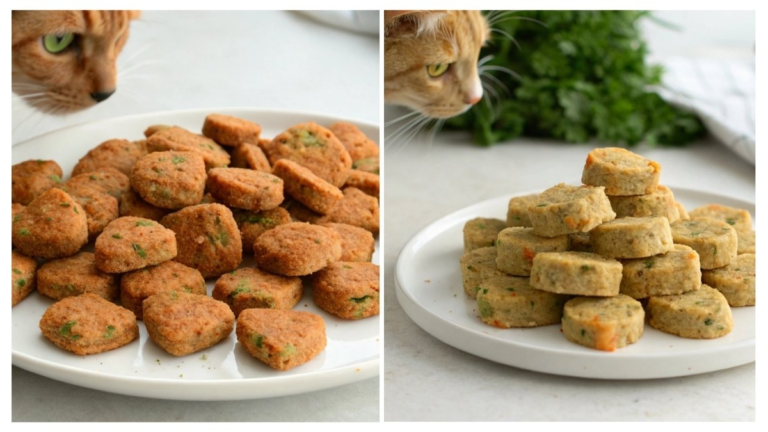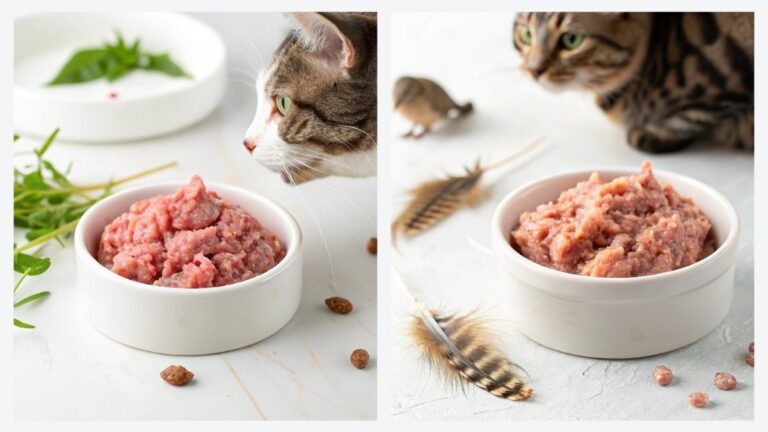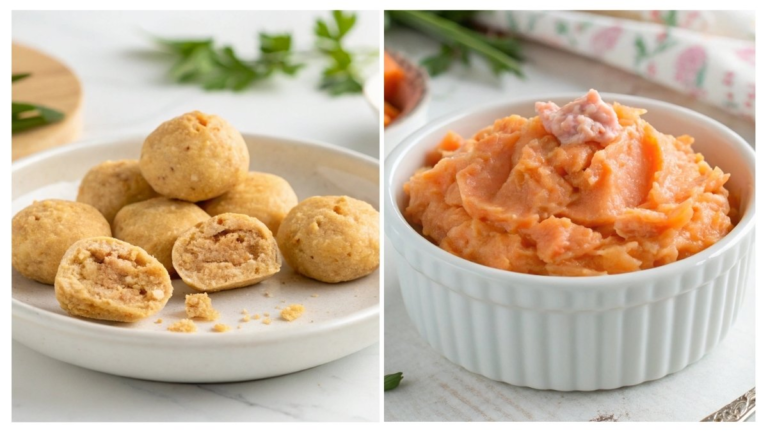
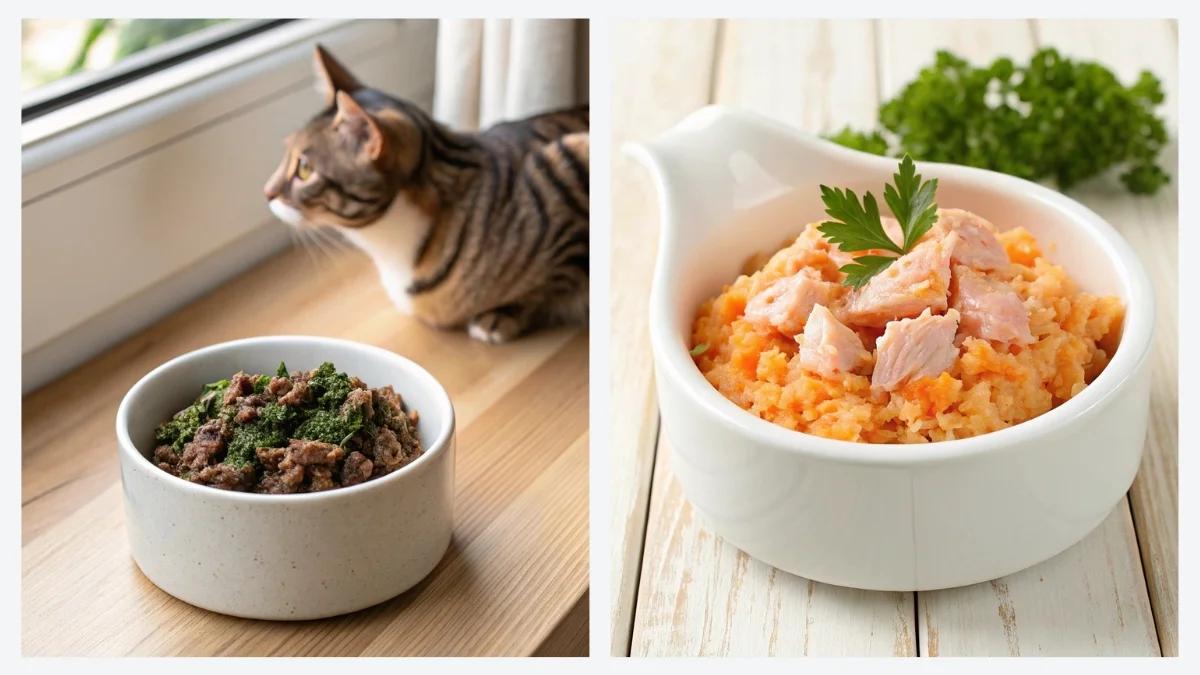
Is your cat walking away from their bowl like it’s optional? I’ve been through that frustration myself. When I started noticing dull fur and low energy in my own cat, it pushed me to rethink everything about feeding. That’s when I turned to vet-approved homemade cat food—and honestly, it changed everything.
Key Takeaways
- Homemade cat food gives you full control over ingredient quality and freshness
- Balanced nutrition is critical—always include a vet-approved premix
- Protein-rich meals improve coat shine, energy, and overall health
- Batch cooking saves time and money compared to commercial wet food
- Safe preparation (like cooking meat to 165℉) is essential
- Portion control helps maintain healthy weight and prevents obesity
I’ve personally seen better digestion, improved energy, and shinier coats after switching to these recipes. Below are five carefully structured meals that follow proper nutritional balance while still being practical for daily use.
A Whisker-Licking Chicken & Pumpkin Delight A Vet-Approved Homemade Cat Meal

When my cat Milo suddenly lost interest in his usual food, I knew I had to rethink what I was feeding him. He’s always had a slightly sensitive stomach, and as he got older, it became even more noticeable—occasional vomiting, inconsistent appetite, and low energy days. That’s when I started experimenting with homemade meals and landed on this Chicken & Pumpkin combination.
This recipe quickly became a staple in my home. Pumpkin is widely known among veterinarians for its digestive benefits—it’s rich in soluble fiber, which can help regulate both constipation and mild diarrhea in cats. Paired with protein-rich chicken thigh, this dish creates a gentle yet nutritionally supportive meal.
What I appreciate most is how well Milo tolerates it. Within a couple of weeks, I noticed fewer digestive issues and a more consistent appetite. It’s one of those recipes that doesn’t just taste good—it genuinely supports your cat’s health.
Recipe Overview
This Chicken & Pumpkin Delight is designed as a complete meal for adult cats, particularly those with sensitive digestion. It combines moist, flavorful chicken thigh meat with smooth pumpkin puree and essential supplements to ensure nutritional balance.
The preparation process is simple and efficient. It takes under 40 minutes from start to finish, making it practical even for busy schedules. The texture is soft and creamy, which makes it especially appealing for cats who dislike dry or chunky food.
From my experience, meals like this—high in moisture and free from fillers—can significantly improve hydration levels in cats, which is crucial since many cats naturally drink less water than they should.
Why You’ll Love This Recipe (Pet Parent Perspective)
Cost-Effectiveness: Buying chicken in bulk significantly reduces feeding costs over time.
Ingredient Control: You eliminate artificial preservatives and low-quality fillers.
Storage Convenience: Easy to portion and freeze for later use.
Portion Control: Helps maintain a healthy weight for your cat.
Multi-Cat Homes: Simple to scale for multiple pets.
Time-Saving: Batch preparation minimizes daily cooking effort.
Essential Information Block
Prep Time: 15 minutes
Cook Time: 20–25 minutes
Total Time: 35–40 minutes
Yield: ~180g (daily portion for a 10-pound cat)
Serving Size: Split into 2–3 meals
Shelf Life: 3–4 days refrigerated, months frozen
Storage: Airtight containers
Equipment Needed:
A stovetop pan, mixing bowl, and kitchen scale are essential. A blender is optional if your cat prefers smoother textures.
Ingredients Section

Main Components
- 100g cooked chicken thigh (boneless)
- 6g olive oil
- 0.3g omega-3 supplement
- 65g pumpkin puree
- 0.75g iodized salt
- 3g Balance IT Carnivore Blend
Chicken thigh is ideal due to its higher fat content compared to breast meat, making it more palatable and energy-dense. Pumpkin supports digestive health, while omega-3 fatty acids contribute to skin, coat, and anti-inflammatory benefits.
Expert Tips (Before Instructions)
Always cook chicken to 165℉ to ensure safety.
Do not skip the premix—it ensures essential nutrients like taurine and calcium are present.
Mash ingredients thoroughly for easier digestion.
Warm slightly before serving to enhance aroma.
Measure carefully—imbalances can affect digestion.
Instructions

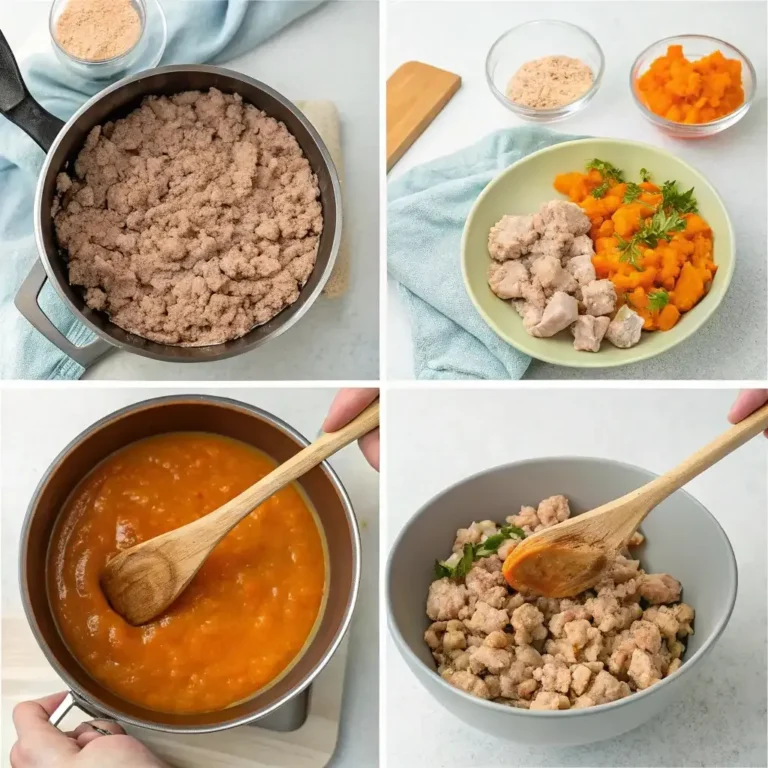
Cook the chicken thighs in a pan over medium heat until fully done (internal temperature 165℉). Allow to cool slightly, then chop into fine pieces.
In a bowl, combine the chicken with pumpkin puree. Add olive oil, omega-3 supplement, salt, and premix. Mix until smooth and consistent.
Divide into portions and serve one immediately. Store the rest properly.
Variations and Substitutions
Turkey thigh can replace chicken.
Carrots can substitute pumpkin if needed.
Blend for smoother texture for senior cats.
Gradually introduce to avoid digestive upset.
Pro Tips and Success Secrets
Use fresh, high-quality meat whenever possible.
Prepare in batches and freeze without supplements—add them fresh later.
Maintain consistent portion sizes and feeding times.
Serving Guidelines
Feed approximately 90g twice daily for a 10-pound cat. Adjust as needed.
Safety Considerations
Avoid toxic ingredients.
Ensure proper cooking temperature.
2. A Whisker-Licking Chicken & Pumpkin Delight A Vet-Approved Homemade Cat Meal

Recipe Overview
From my experience, creating a meal your cat genuinely enjoys is incredibly rewarding. This Chicken & Pumpkin Delight is designed as a complete meal for adult cats, combining high-quality protein with fiber and essential fats. It’s grain-free, easy to digest, and ideal for cats that struggle with commercial food sensitivities.
Preparation takes around 40 minutes, which I find manageable even on a busy day. The texture is soft and moist—something many cats prefer over dry kibble. I’ve personally noticed improved energy levels and better digestion after incorporating meals like this regularly.
What makes this recipe stand out is its balance. It’s not just about taste; it’s about nutritional completeness. According to veterinary nutrition data, cats require high levels of animal protein and specific nutrients like taurine, which is why adding a proper supplement mix is critical. This isn’t just a treat—it’s a thoughtfully designed meal.
Why You’ll Love This Recipe (Pet Parent Perspective)
Cost-Effectiveness: I spend significantly less compared to premium canned foods while maintaining quality.
Ingredient Control: I know exactly what goes into the bowl—no preservatives or fillers.
Storage Convenience: Freezing portions allows me to prepare meals for an entire week.
Portion Control: I can easily adjust servings based on my cat’s weight and activity level.
Multi-Cat Homes: The recipe scales effortlessly if you have more than one cat.
Time-Saving: Batch cooking reduces daily feeding stress and keeps routines consistent.
Essential Information Block
Prep Time: 15 minutes
Cook Time: 20–25 minutes
Total Time: 35–40 minutes
Yield: Approximately 180g (one day for a 10-pound cat)
Serving Size: Split into 2–3 meals
Shelf Life: 3–4 days refrigerated, up to 2–3 months frozen
Storage Requirements: Airtight containers in fridge or freezer
Equipment Needed:
I use a simple stovetop pan, a mixing bowl, and a kitchen scale for accuracy. A blender is optional if your cat prefers smoother textures. Hygiene is critical—especially when handling raw poultry—so I always clean thoroughly after preparation.
Ingredients Section

Main Components
To prepare this meal, I rely on a few high-quality ingredients:
- 100g boneless chicken thigh (cooked)
- 65g plain pumpkin puree
- 1 ½ tsp olive oil
- 0.3g omega-3 fish oil
- ⅛ tsp iodized salt
- 3g nutritional premix (balanced for cats)
Chicken thighs are my preferred choice because they contain more fat than breast meat, which supports energy and palatability. Pumpkin is widely recommended by veterinarians for digestive health—it contains soluble fiber that helps regulate bowel movements.
Nutritionally, cats require about 50–60% protein in their diet. Chicken provides essential amino acids, while omega-3 fatty acids support skin, coat health, and inflammation control.
Expert Tips (Before Instructions)
From my experience, a few small details make a big difference:
- Always cook chicken to an internal temperature of 165°F to eliminate harmful bacteria
- Never skip the nutritional premix—homemade meals without supplementation can lead to deficiencies
- Mash ingredients thoroughly to prevent choking and improve acceptance
- Slightly warming the food enhances aroma and increases appetite
- Measure ingredients accurately—imbalances can upset digestion
Instructions

I start by cooking the chicken thighs over medium heat until fully done, ensuring they reach a safe internal temperature. While the chicken cooks, I prepare the pumpkin puree in a mixing bowl.
Once the chicken cools slightly, I chop it into fine pieces. Then I combine it with the pumpkin, olive oil, omega-3 supplement, salt, and nutritional premix. Mixing thoroughly is important to distribute nutrients evenly.
I divide the final mixture into 2–3 portions. One can be served immediately (slightly warm), while the rest are stored for later use. Proper cooling before storage helps maintain freshness and prevents bacterial growth.
Variations and Substitutions
I occasionally adjust this recipe depending on availability and my cat’s preferences:
- Turkey thigh can replace chicken with similar nutritional value
- Mashed carrots can substitute pumpkin for variety
- Blending creates a smoother pâté for senior cats
- Small amounts of cooked spinach can add fiber
Cats are obligate carnivores, so any substitutions should still prioritize animal protein. Always introduce new ingredients gradually to monitor tolerance.
Pro Tips and Success Secrets
- Use fresh, high-quality meat for better taste and nutrition
- Prepare large batches and freeze portions without supplements, adding them fresh before serving
- Thaw meals in the refrigerator overnight for safety
- Maintain consistent portion sizes to support weight management
- Texture matters—many cats prefer smooth, moist food
From my experience, consistency in preparation and feeding schedule significantly improves acceptance and digestion.
Serving Guidelines
For a 10-pound adult cat, I typically serve around 90g per meal, twice daily. Adjust portions based on your cat’s weight, age, and activity level.
Veterinary guidelines suggest adult cats need roughly 20 calories per pound of body weight daily, though this varies. Monitoring your cat’s body condition is the best way to fine-tune portions.
Always check freshness before serving. If the food smells off or has changed texture, discard it immediately.
Safety Considerations
Safety is non-negotiable when preparing homemade cat food:
- Avoid toxic ingredients like onions, garlic, chocolate, and artificial additives
- Ensure all meat is fully cooked
- Cut food into small, manageable pieces
- Introduce new foods slowly to detect allergies
- Consult a veterinarian before making long-term dietary changes
Nutritional balance is critical—studies show that over 80% of homemade pet diets lack essential nutrients if not properly formulated. That’s why supplementation and professional guidance are key.
Recipe Overview

There’s something deeply satisfying about preparing a meal that your cat genuinely enjoys while also knowing it’s nutritionally sound. This Salmon & Carrot Bliss is formulated as a complete meal for adult cats, combining high-quality protein with essential fats and fiber.
Preparation takes about 30–35 minutes, making it practical even on busy days. The soft, flaky texture is particularly suitable for cats that prefer moist food over dry kibble. From my experience, meals like this can help improve digestion and even enhance coat shine within a few weeks.
Nutritionally, salmon is an excellent protein source and provides omega-3 fatty acids such as EPA and DHA, which are linked to reduced inflammation and improved cognitive function. Carrots add beta-carotene and fiber, supporting gut health. Together, they create a balanced and appealing meal.
Why You’ll Love This Recipe (Pet Parent Perspective)
Cost-Effectiveness: I’ve found that buying fresh ingredients in bulk reduces costs compared to premium canned food.
Ingredient Control: I choose high-quality salmon and fresh vegetables, avoiding preservatives and fillers.
Storage Convenience: Freezing portions ensures I always have a ready-to-serve meal.
Portion Control: Easy to divide and adjust based on my cat’s needs.
Multi-Cat Homes: The recipe scales easily for multiple pets.
Time-Saving: Batch cooking once or twice a week simplifies daily feeding routines.
Essential Information Block
Prep Time: 10–15 minutes
Cook Time: 20 minutes
Total Time: 30–35 minutes
Yield: Approximately 175g (one day’s portion for a 10-pound cat)
Serving Size: Split into 2–3 meals
Shelf Life: 3–4 days refrigerated, up to 2–3 months frozen
Storage Requirements: Airtight containers in refrigerator or freezer
Equipment Needed:
I typically use a stovetop pan or steamer for the salmon, a pot for boiling carrots, and a mixing bowl. A kitchen scale helps maintain accurate portions, which is important for balanced nutrition. Cleanliness is critical when handling fish to avoid contamination.
Ingredients Section

Main Components
This recipe uses a simple but nutrient-rich combination:
- 92g cooked salmon fillet (boneless, skinless)
- 66g boiled carrots (mashed)
- 1 ½ tsp flaxseed oil
- 0.3g omega-3 supplement
- ⅛ tsp iodized salt
- 3g nutritional premix
Salmon is a powerhouse ingredient. It provides essential amino acids and omega-3 fatty acids, which studies show can improve coat quality and reduce shedding. Carrots contribute dietary fiber and antioxidants, supporting digestive health.
Cats require a high-protein diet, typically around 50% or more of their caloric intake. This combination supports that requirement while also adding beneficial micronutrients.
Expert Tips (Before Instructions)
From my experience, these small steps make a big difference:
- Always cook salmon thoroughly to 165°F to eliminate parasites and bacteria
- Never skip the nutritional premix—it ensures the meal meets feline dietary standards
- Mash carrots completely for better digestion and texture
- Slightly warming the food enhances aroma and encourages eating
- Measure ingredients carefully to avoid imbalances
Instructions

I begin by cooking the salmon using a pan or steamer until it reaches a safe internal temperature and flakes easily. At the same time, I boil the carrots until soft and mash them into a smooth consistency.
Once the salmon cools slightly, I flake it into small pieces and combine it with the mashed carrots in a mixing bowl. Then I add the flaxseed oil, omega-3 supplement, salt, and nutritional premix. Mixing thoroughly ensures even distribution of nutrients.
I divide the mixture into 2–3 portions. One can be served fresh (slightly warm), while the rest are stored for later use. Proper cooling before storage is essential to maintain freshness and safety.
Variations and Substitutions
I’ve experimented with a few variations depending on availability:
- Cod or tilapia can replace salmon while maintaining similar protein levels
- Peas can substitute carrots for a different fiber source
- Blending creates a smoother texture for senior cats
- Small amounts of sardines (in water) can boost omega-3 content
Cats are obligate carnivores, so protein should always remain the primary component. Introduce any changes gradually to monitor tolerance.
Pro Tips and Success Secrets
- Use fresh, high-quality fish for optimal nutrition and taste
- Prepare meals in batches and freeze without supplements, adding them fresh before serving
- Thaw safely in the refrigerator overnight
- Maintain consistent portion sizes to support weight management
- Adjust texture based on your cat’s preference
Consistency and routine are key factors I’ve observed in maintaining good eating habits and digestive health.
Serving Guidelines
For a 10-pound adult cat, I typically serve 85–90g per meal, twice daily. Adjust portions based on weight, activity level, and age.
On average, cats require about 20 calories per pound of body weight daily, though this varies. Monitoring body condition is the best way to ensure proper feeding.
Always check food freshness before serving. If there’s any unusual smell or texture, discard it.
Safety Considerations
Safety is essential when preparing homemade cat meals:
- Avoid toxic foods like onions, garlic, grapes, and chocolate
- Ensure fish is fully cooked to prevent bacterial or parasitic infections
- Flake food into small pieces to reduce choking risk
- Introduce new ingredients gradually to check for allergies
- Consult a veterinarian before making long-term dietary changes
Research shows many homemade pet diets can lack essential nutrients if not properly balanced. That’s why supplementation and veterinary guidance are critical for maintaining your cat’s health.
4. A Hearty Beef & Spinach Feast A Vet-Approved Homemade Cat Meal

As a cat parent, I’ve gone through phases where my cat suddenly loses interest in regular food, and that’s usually my signal to step into the kitchen and create something more nourishing. I remember experimenting with different protein sources when I realized how much cats thrive on fresh, high-protein meals. That’s how I developed this Beef & Spinach Feast—a vet-approved recipe that combines rich protein with essential nutrients to support overall feline health while still being incredibly palatable.
Recipe Overview
From my experience, preparing a balanced homemade meal can significantly improve a cat’s appetite and energy levels. This Beef & Spinach Feast is designed as a complete meal for adult cats, combining protein-rich ground beef with nutrient-dense spinach.
It takes about 35–40 minutes to prepare, making it practical for weekly meal prep. The texture is soft and moist, which many cats prefer over dry food. I’ve personally seen improvements in coat shine and digestion when meals like this are introduced consistently.
Beef provides essential nutrients like taurine, zinc, and iron, which are critical for cats. Spinach, while used in moderation, adds antioxidants and fiber. Together, they create a meal that supports both energy and digestive health.
Why You’ll Love This Recipe (Pet Parent Perspective)
Cost-Effectiveness: Buying beef in bulk has helped me reduce feeding costs compared to premium wet foods.
Ingredient Control: I can ensure everything is fresh and free from unnecessary additives.
Storage Convenience: Freezing portions allows easy meal planning for busy days.
Portion Control: Simple to divide into consistent servings for weight management.
Multi-Cat Homes: Easy to scale for multiple cats without increasing complexity.
Time-Saving: One cooking session can cover several days of feeding.
Essential Information Block
Prep Time: 15 minutes
Cook Time: 20–25 minutes
Total Time: 35–40 minutes
Yield: Approximately 180g (daily portion for a 10-pound cat)
Serving Size: Split into 2–3 meals
Shelf Life: 3–4 days refrigerated, up to 2–3 months frozen
Storage Requirements: Airtight containers in fridge or freezer
Equipment Needed:
I use a skillet for cooking beef, a pot for spinach, and a mixing bowl. A kitchen scale helps maintain precise portions, which is important for nutritional balance. Proper cleaning after handling raw meat is essential to maintain hygiene.
Ingredients Section

Main Components
This recipe uses simple, nutrient-rich ingredients:
- 100g lean ground beef (fully cooked)
- 65g cooked spinach (finely chopped)
- 1 ½ tsp olive oil
- 0.3g omega-3 supplement
- ⅛ tsp iodized salt
- 3g nutritional premix
Beef is highly palatable for cats and provides essential amino acids required for muscle maintenance. Spinach contributes fiber and antioxidants, though it should always be used in moderation.
Cats generally require high protein intake—around 50–60% of their diet. This recipe supports that requirement while adding micronutrients for overall health.
Expert Tips (Before Instructions)
From my experience, these tips make a noticeable difference:
- Always cook beef to 165°F to eliminate harmful bacteria
- Never skip the nutritional premix—it ensures the meal is complete
- Chop spinach finely to improve digestibility
- Slightly warm food before serving to enhance aroma
- Measure ingredients accurately to avoid imbalances
Instructions

Preparing this meal has become a routine I genuinely enjoy. I start by heating a skillet and cooking the ground beef thoroughly until it reaches a safe internal temperature. While the beef cooks, I boil the spinach until soft, then chop it finely.
Once the beef cools slightly, I combine it with the spinach in a mixing bowl. Then I add olive oil, omega-3 supplement, salt, and the nutritional premix. Mixing thoroughly ensures nutrients are evenly distributed.
I divide the mixture into 2–3 portions. One can be served fresh (slightly warm), and the rest are stored for later use. Proper cooling before storage is essential to maintain freshness.
Variations and Substitutions
I’ve experimented with several variations based on availability:
- Ground turkey or chicken can replace beef
- Kale can be used instead of spinach in small amounts
- Blending creates a smoother texture for senior cats
- Small amounts of fish can be added for extra omega-3
Cats are obligate carnivores, so protein should always remain the primary ingredient. Any substitutions should be introduced gradually.
Pro Tips and Success Secrets
- Use fresh, high-quality meat for better nutrition and taste
- Prepare meals in batches and freeze without supplements, adding them fresh before serving
- Thaw safely in the refrigerator overnight
- Maintain consistent portion sizes for weight control
- Adjust texture based on your cat’s preference
Consistency in feeding routines plays a major role in maintaining digestive health and appetite.
Serving Guidelines
For a 10-pound adult cat, I typically serve about 90g per meal, twice daily. Adjust based on your cat’s weight, age, and activity level.
On average, cats need around 20 calories per pound of body weight daily. Monitoring body condition is the best way to ensure proper feeding.
Always check food freshness before serving. If there is any unusual odor or texture, discard it.
Safety Considerations
Safety is critical when preparing homemade cat food:
- Avoid toxic foods such as onions, garlic, and chocolate
- Ensure beef is fully cooked before serving
- Cut or mash food into small pieces to prevent choking
- Introduce new ingredients gradually to monitor allergies
- Consult a veterinarian before switching to homemade diets
Research indicates many homemade pet diets lack essential nutrients if not properly balanced, which is why supplementation and professional guidance are important.
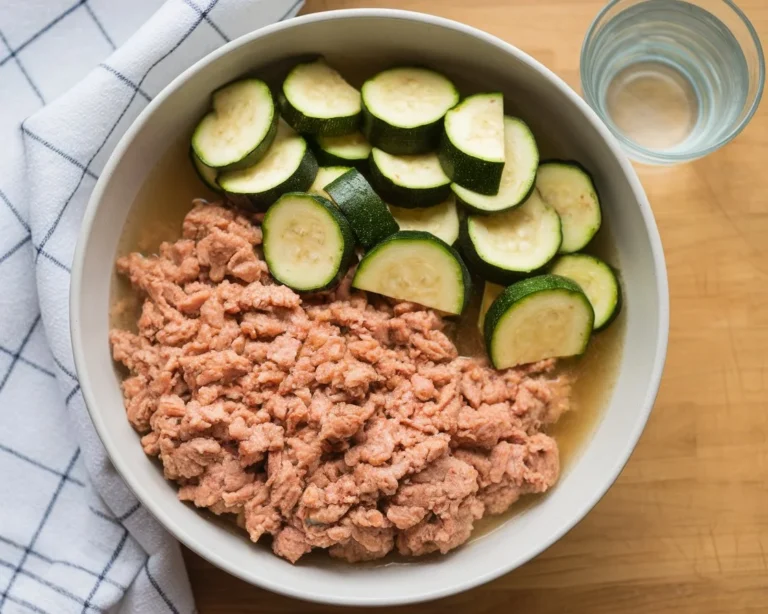
A Tasty Tuna & Zucchini Medley A Vet-Approved Homemade Cat Meal

Being a cat parent has taught me that food is one of the most powerful ways to connect with my pet. I still remember when my cat started losing interest in her usual meals, and I knew I had to try something fresher and more nutritious. That’s when I created this Tuna & Zucchini Medley—a vet-approved homemade meal that combines high-quality protein with gentle, digestion-friendly vegetables. From the first time I served it, I noticed a difference in her excitement, energy, and overall mood.
Recipe Overview
From my experience, preparing a homemade meal like this can significantly improve a cat’s eating habits and overall health. This Tuna & Zucchini Medley is designed as a complete meal for adult cats, combining flaky fish with soft vegetables and essential supplements.
It takes about 30–35 minutes to prepare, making it convenient for both quick meals and weekly prep. The soft, moist texture is ideal for cats that prefer wet food. I’ve personally noticed better digestion and a shinier coat after incorporating recipes like this regularly.
Tuna is rich in omega-3 fatty acids such as EPA and DHA, which support brain function and reduce inflammation. Zucchini adds fiber and hydration, helping maintain digestive balance. Together, they form a well-rounded, nutrient-dense meal.
Why You’ll Love This Recipe (Pet Parent Perspective)
Cost-Effectiveness: I’ve found tuna to be more affordable than premium wet foods when used wisely.
Ingredient Control: I can ensure everything is fresh, clean, and free from additives.
Storage Convenience: Freezing portions allows me to prepare meals ahead of time.
Portion Control: Easy to divide into precise servings based on my cat’s needs.
Multi-Cat Homes: The recipe can be scaled easily for multiple pets.
Time-Saving: Cooking in batches reduces daily effort and keeps feeding routines simple.
Essential Information Block
Prep Time: 10–15 minutes
Cook Time: 20 minutes
Total Time: 30–35 minutes
Yield: Approximately 175g (daily portion for a 10-pound cat)
Serving Size: Split into 2–3 meals
Shelf Life: 3–4 days refrigerated, up to 2–3 months frozen
Storage Requirements: Airtight containers in refrigerator or freezer
Equipment Needed:
I typically use a pan for cooking tuna, a pot or steamer for zucchini, and a mixing bowl. A kitchen scale is helpful for maintaining accurate portions. Cleanliness is important, especially when handling fish.
Ingredients Section

Main Components
This recipe includes a simple but effective set of ingredients:
- 92g cooked tuna (fresh or canned in water)
- 66g steamed zucchini (mashed)
- 1 ½ tsp flaxseed oil
- 0.3g omega-3 supplement
- ⅛ tsp iodized salt
- 3g nutritional premix
Tuna is highly palatable and provides essential amino acids required for muscle maintenance. It also contains omega-3 fatty acids that support skin and coat health. Zucchini contributes fiber and hydration, aiding digestion.
Cats require a high-protein diet, typically around 50% or more of their caloric intake. This recipe supports that need while adding beneficial micronutrients.
Expert Tips (Before Instructions)
From my experience, these tips can improve results significantly:
- Always cook fresh tuna to 165°F to eliminate harmful bacteria
- Do not skip the nutritional premix—it ensures dietary completeness
- Mash zucchini thoroughly for easier digestion
- Slightly warm food before serving to enhance aroma
- Measure ingredients accurately to avoid imbalances
Instructions

I start by cooking the tuna in a pan until fully done, ensuring it flakes easily and reaches a safe internal temperature. If I’m using canned tuna, I gently warm it instead.
At the same time, I steam the zucchini until soft and mash it into a smooth consistency. Once the tuna cools slightly, I flake it into small pieces and combine it with the zucchini in a mixing bowl.
Next, I add flaxseed oil, omega-3 supplement, salt, and the nutritional premix. Mixing thoroughly ensures even distribution of nutrients.
I divide the mixture into 2–3 portions. One is served fresh (slightly warm), while the rest are stored in airtight containers for later use.
Variations and Substitutions
I’ve tested a few variations depending on availability:
- Sardines or mackerel can replace tuna
- Pumpkin can substitute zucchini for additional digestive support
- Blending creates a smoother texture for senior cats
- Small fish additions can increase omega-3 levels
Since cats are obligate carnivores, protein should always remain the primary ingredient. Introduce changes gradually to monitor tolerance.
Pro Tips and Success Secrets
- Use high-quality tuna for better nutrition and taste
- Prepare meals in batches and freeze without supplements, adding them fresh later
- Thaw meals safely in the refrigerator overnight
- Maintain consistent portion sizes for weight control
- Adjust texture based on your cat’s preference
Consistency in feeding routines helps improve digestion and long-term health.
Serving Guidelines
For a 10-pound adult cat, I usually serve 85–90g per meal, twice daily. Adjust based on weight, age, and activity level.
Cats generally need around 20 calories per pound of body weight daily, though this can vary. Monitoring body condition is the best approach.
Always check freshness before serving. If there’s any unusual smell or texture, discard the food.
Safety Considerations
Safety is essential when preparing homemade cat meals:
- Avoid toxic foods such as onions, garlic, and grapes
- Ensure tuna is fully cooked before serving
- Flake food into small pieces to prevent choking
- Introduce new ingredients gradually to detect allergies
- Consult a veterinarian before switching to homemade diets
Studies show many homemade pet diets lack essential nutrients if not properly balanced, which is why supplementation and professional guidance are important.
All content on this site is written and reviewed by our experienced team to ensure it is accurate, reliable, and helpful for our readers. Our Our Process page explains how we carefully research and create high-quality content, while our Team page introduces the professionals behind our work. We also provide clear guidelines for content or image concerns on our Image Removal page, so you can trust that we prioritize transparency, quality, and reader safety.