Service Dog Training Tips That Won’t Drive You (or Your Dog) Crazy
If you’re reading this, chances are you’re dreaming of training a service dog. Let me tell you—what you’re about to take on is big. Not just a little challenge, but a full-on journey that requires patience, commitment, and an enormous heart. But I promise you, it’s also one of the most rewarding experiences you can have with a dog.
I’ve been there myself, and I know what it feels like to have your little furball look up at you with those trusting eyes while you’re thinking, “Okay… how do I turn you into a superhero?” It’s not easy, but every small win, every command successfully followed, makes it worth it. This isn’t just about teaching tricks—it’s about giving your dog a purpose and changing both your lives.
Start Early (Like, Yesterday)
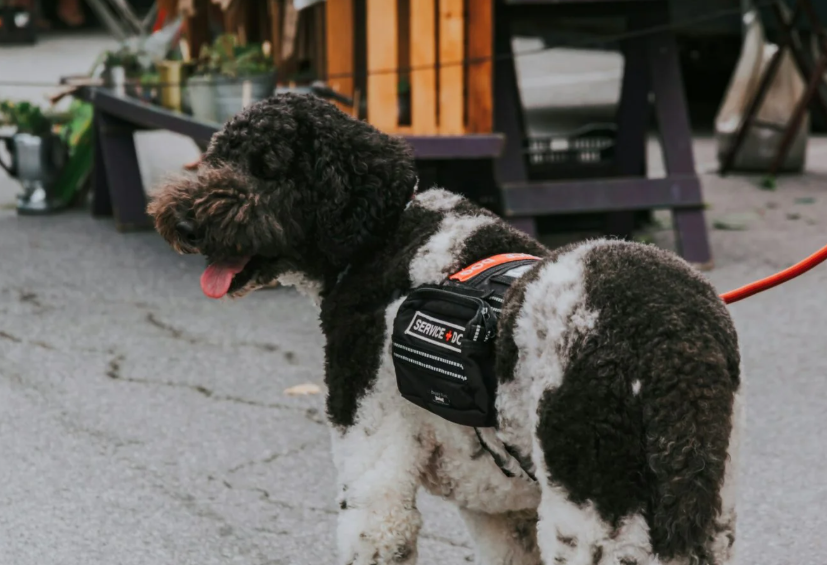
I can’t stress this enough: training starts the moment your puppy walks through the door. Puppies are cute and irresistible, but beneath those adorable faces are little sponges absorbing everything around them. Habits form quickly, and the earlier you start teaching good behavior, the easier it becomes later on.
One thing I learned early is that socialization is everything. I took my pup to parks, streets, stores, and even noisy city corners, letting them see and smell everything. The exposure helped them grow confident, so by the time we hit a crowded event or a busy street, they weren’t scared—they were focused. I’ve seen service dogs that weren’t socialized early panic at the slightest noise. Don’t let that happen. Expose them to people, animals, noises, smells, and new surfaces. Let them experience life so they can stay calm no matter what comes their way.
Basic Obedience: Non-Negotiable
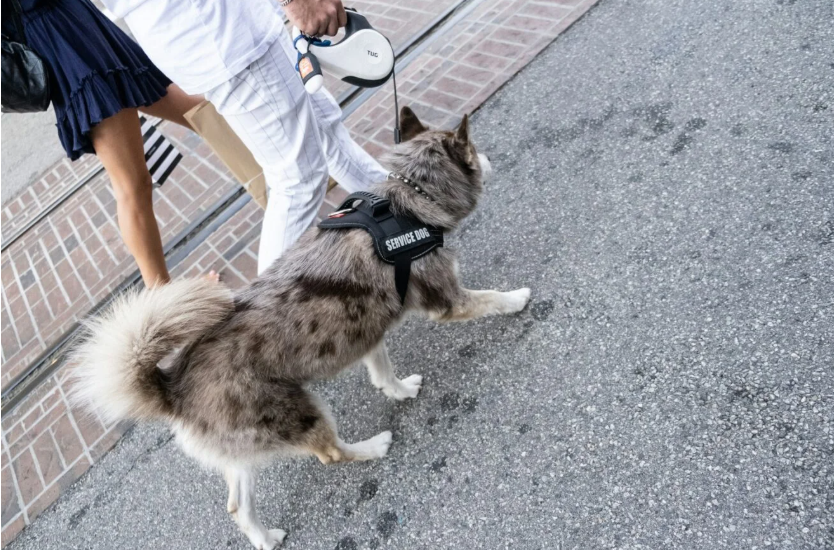
When it comes to service dogs, basic obedience isn’t optional—it’s mandatory. Sit, stay, come, down, and heel aren’t suggestions; they’re life skills. Without these, your dog won’t be reliable in public or in critical situations.
I remember one day when a pizza slice fell on the floor during our walk. My dog didn’t even glance at it because we had drilled “leave it” into every training session. That moment reminded me why basic obedience is non-negotiable—it keeps them safe and focused when it matters most. Obedience is your dog’s foundation, and without it, no amount of task training or public exposure will work.
Positive Reinforcement: Treats Are Your BFF
Let’s throw out the old idea of “alpha dog” dominance training. That’s outdated and honestly, a little scary. Reward-based training works better, builds trust, and makes learning fun. Treats, praise, and playtime are your secret weapons.
Timing is everything. When your dog performs a command correctly, reward them immediately. I’ve seen too many people wait a few seconds, and the dog gets confused. Right after the action is when your dog understands exactly what earned them that treat. Personally, I keep a pocket full of small treats at all times—it’s my little magic toolkit for training.
Task Training: The Main Event

Now comes the part that separates regular dogs from service dogs: task training. Service dogs don’t just sit and fetch—they have jobs that matter. Whether it’s fetching medication, providing balance support, or interrupting anxiety episodes, every task must be taught carefully, step by step.
For example, when teaching my dog to open a door, we didn’t start with the full task. First, I rewarded them for touching the handle. Then pulling a strap. Finally, opening it completely. Breaking it down into small steps makes progress achievable and keeps your dog motivated. Every win counts, and celebrating them reinforces learning and builds confidence.
Public Access Training: The Real Challenge
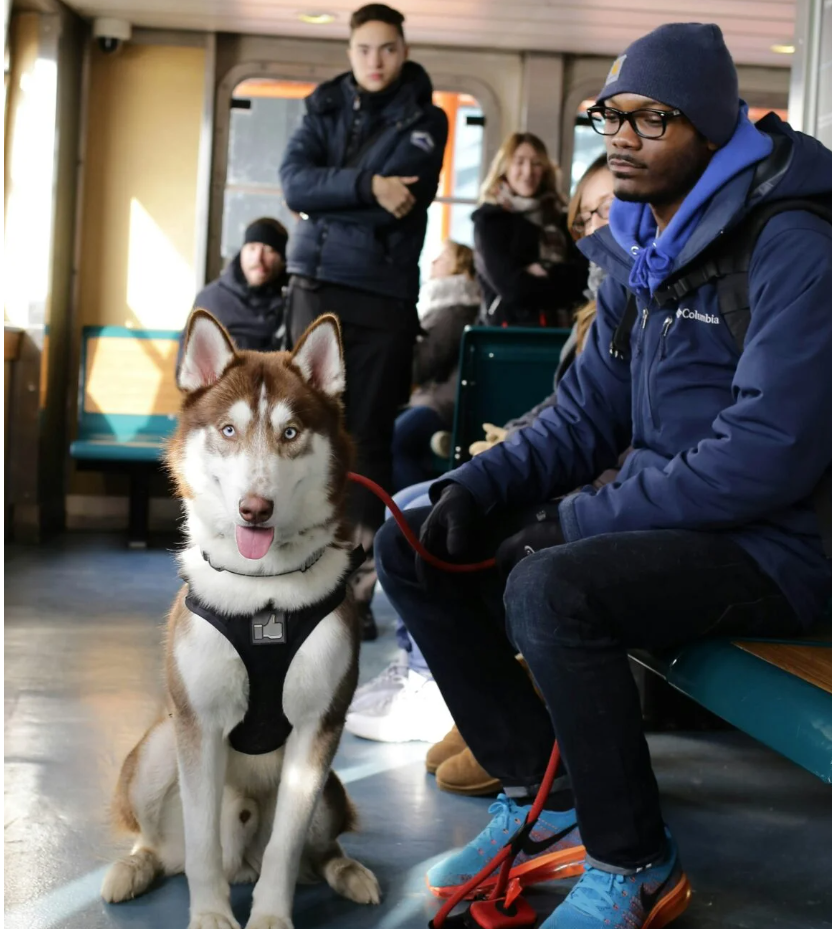
One of the hardest parts of service dog training is teaching them to behave in public spaces. Dogs are naturally curious, and the world is full of distractions: people, noises, smells, and chaos. Service dogs must remain calm, focused, and reliable in all environments.
I started with quiet trips—small parks, calm stores, or empty streets. Gradually, we increased the difficulty: busier stores, crowded sidewalks, and eventually public transportation. Patience and gradual exposure are key, and yes, those treats are your best friend here too. You want your dog to succeed, not feel overwhelmed.
Ignore Distractions (Including Karen Who Wants to Pet Your Dog)
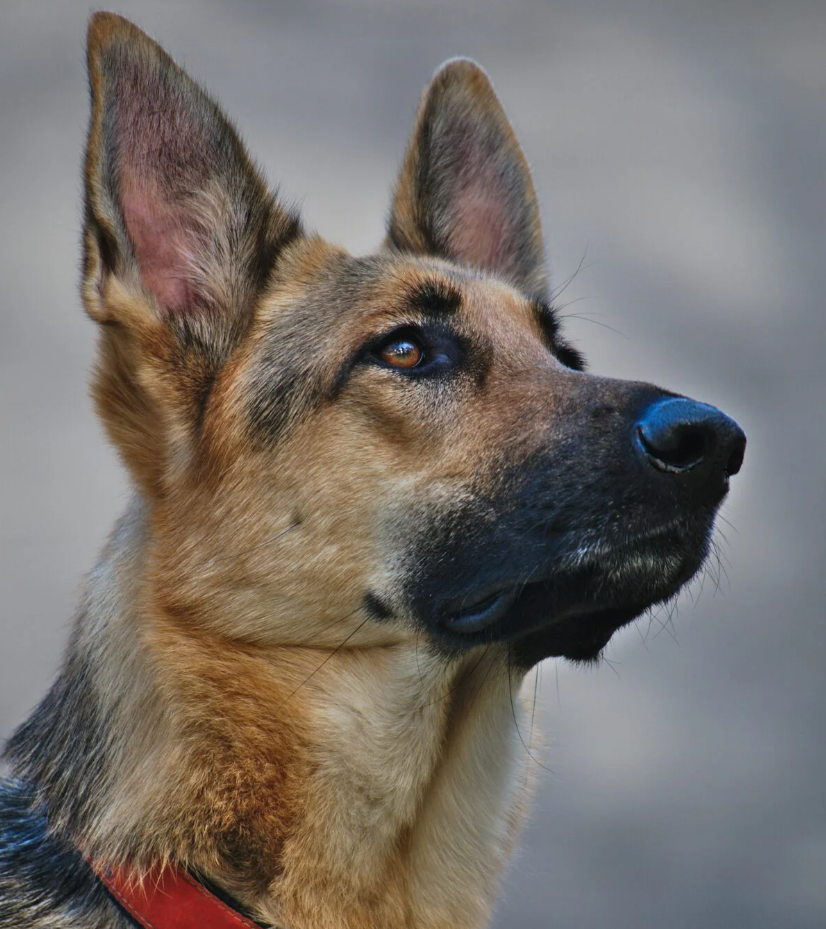
A service dog’s focus is on you, not the world around them. It sounds simple, but in reality, it’s tricky. Practice ignoring distractions relentlessly—loud noises, new smells, other dogs, and even strangers who insist on saying hello.
I’ll admit, there were times people waved their hands like crazy or tried to grab my dog’s attention. I smiled, kept walking, and gently redirected my dog’s focus. Consistency in ignoring distractions is what builds reliability, so your dog learns to tune out everything except the task at hand.
Consistency is Everything
Training isn’t a weekend hobby—it’s a daily commitment. Short, frequent sessions work best: 10–15 minutes at a time, multiple times a day. Daily repetition helps your dog retain skills, builds confidence, and strengthens your bond.
When I tried skipping days, I noticed my dog forgot what we had practiced. Consistency is the glue that holds everything together, so even when life gets busy, make time for training.
Mistakes Happen (Even to the Best Dogs)
Expect mistakes—they’re part of the process. Your dog will mess up, sometimes hilariously. One day my dog brought me the TV remote instead of my phone—I laughed, corrected gently, and tried again.
Gentle correction and moving on is the best approach. Mistakes teach your dog what’s acceptable and what’s not, and they help you stay patient. Celebrate the wins, learn from the slip-ups, and don’t get frustrated.
Know When to Call in a Pro
Even with the best intentions, there are times when professional help is invaluable. Service dog trainers bring experience and methods that aren’t always obvious.
I recommend finding someone who specializes in service dogs and has proven results. And be wary of anyone promising a fully trained service dog in a week. Training a service dog takes time, patience, and expertise, so don’t rush it.
FAQ: Your Burning Questions Answered
How long does it take to train a service dog? On average, 18–24 months. This is a marathon, not a sprint.
Can any breed be a service dog? Most breeds can work as service dogs, but temperament, size, and physical ability are important. A Chihuahua might not provide physical support, and a Great Dane might be too big for some tasks.
What if my dog fails training? Not every dog is suited for service work, and that’s okay. They can still be loving, loyal companions.
Do service dogs get time off? Absolutely. Even hardworking service dogs need breaks, naps, and downtime to recharge.
Final Thoughts of Service Dog Training Tips
Training a service dog is a serious commitment, but it’s also one of the most rewarding experiences you’ll ever have. Patience, positivity, consistency, and celebration of small wins are the keys to success.
Trust me, every treat you give, every command you practice, and every task you teach makes a real difference. And at the end of the day, your dog will show their gratitude in ways that make all the hard work worthwhile—whether it’s a slobbery kiss or a wagging tail that never stops.
Grab your treats, take a deep breath, and enjoy the journey. You and your dog can absolutely do this.