5 Zero-Waste Homemade Cat Food Recipes — Using Every Part of Your Ingredients
Tired of throwing away food scraps while still spending a fortune on cat food? I’ve been there myself—standing in the kitchen tossing chicken scraps, fish skins, and veggie peels, all while my cat refused expensive store-bought meals. It didn’t sit right with me. That’s when I started experimenting with zero-waste homemade cat food, and honestly, it completely changed how I feed my pets.
Key Takeaways
- Zero-waste cat food reduces kitchen waste and lowers feeding costs by up to 40–60%
- Using whole ingredients (organs, bones, scraps) boosts nutrient density naturally
- Cats need taurine-rich, high-protein diets—organ meats are one of the best sources
- Homemade meals improve hydration levels, reducing urinary issues in cats
- Batch cooking and freezing helps maintain consistency and saves time
- Rotating proteins reduces food boredom and improves long-term appetite
Interestingly, studies in pet nutrition show that cats fed moisture-rich diets are significantly less likely to develop urinary tract issues. While dogs can handle more dietary flexibility, cats rely heavily on hydration from food—making these recipes even more valuable.
In this guide, I’ll share recipes I’ve personally tested, focusing on using every part of your ingredients safely while ensuring your cat gets complete, balanced nutrition.
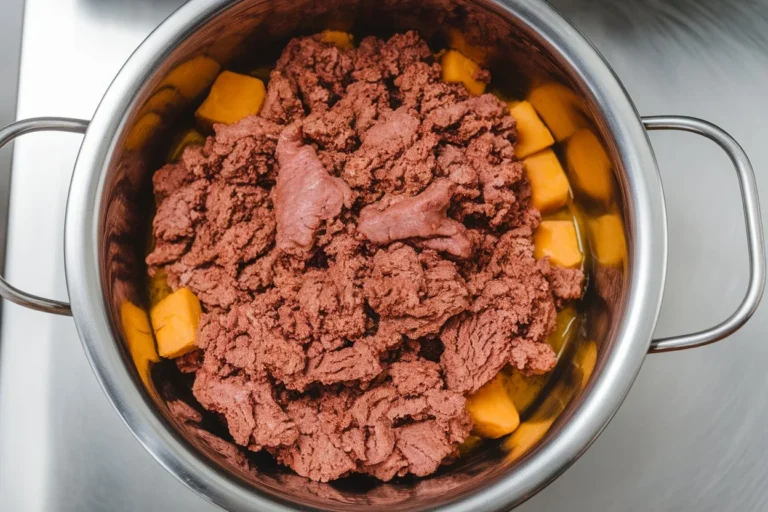
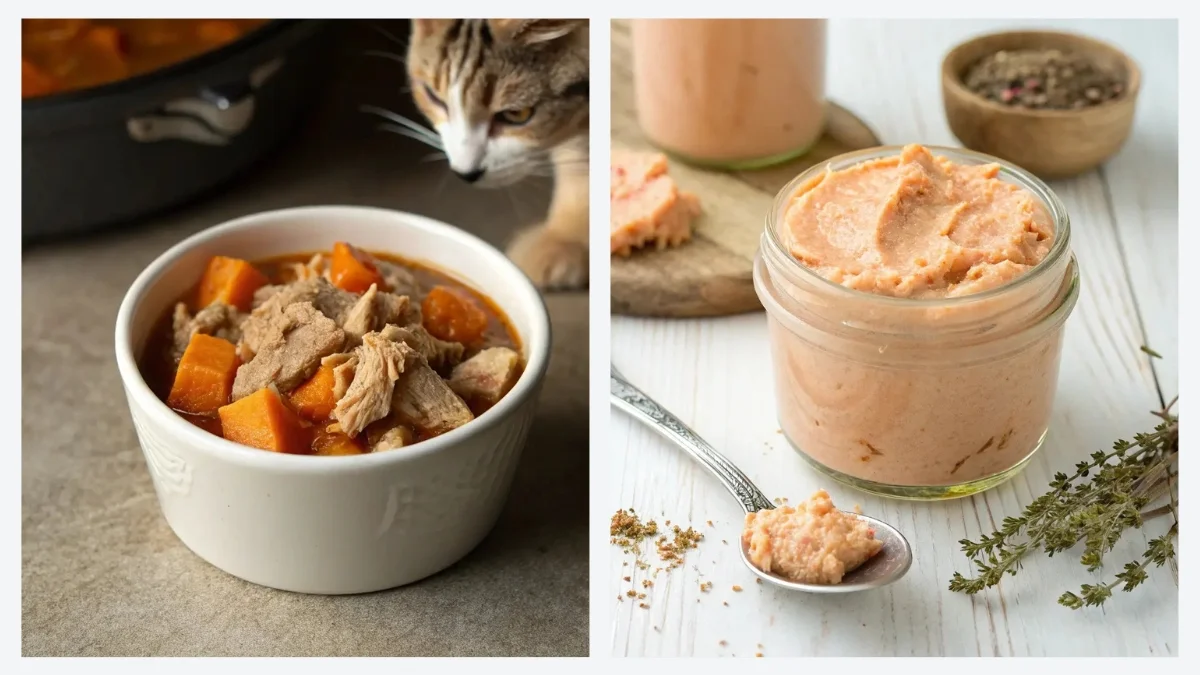
#1. Zero-Waste Homemade Cat Food: Nutrient-Packed Chicken & Sweet Potato Stew

I used to feel guilty tossing chicken scraps and vegetable leftovers, especially knowing how much nutrition they still held. After trial and error, I created this stew—and it quickly became a staple in my home.
Why You’ll Love This Recipe
This recipe uses parts most people discard—fat trimmings, organ bits, and drippings—turning them into a nutrient-dense meal. I noticed my cats became more energetic within weeks, likely due to higher protein intake and fewer fillers.
Recipe Overview
This slow-cooked stew delivers a soft texture ideal for cats of all ages. The natural gelatin from simmered bones supports joint health, something I’ve also seen emphasized in dog nutrition studies where collagen improves mobility.
Essential Information
Prep Time: 20 minutes
Cook Time: 3 hours
Total Time: 5 hours
Yield: 7–10 servings
Equipment Needed
A stockpot or slow cooker works best. I personally prefer slow cooking because it extracts more nutrients from bones and scraps.
Ingredients

- Chicken scraps (meat, organs, fat)
- Sweet potatoes
- Water or unsalted broth
- Taurine supplement
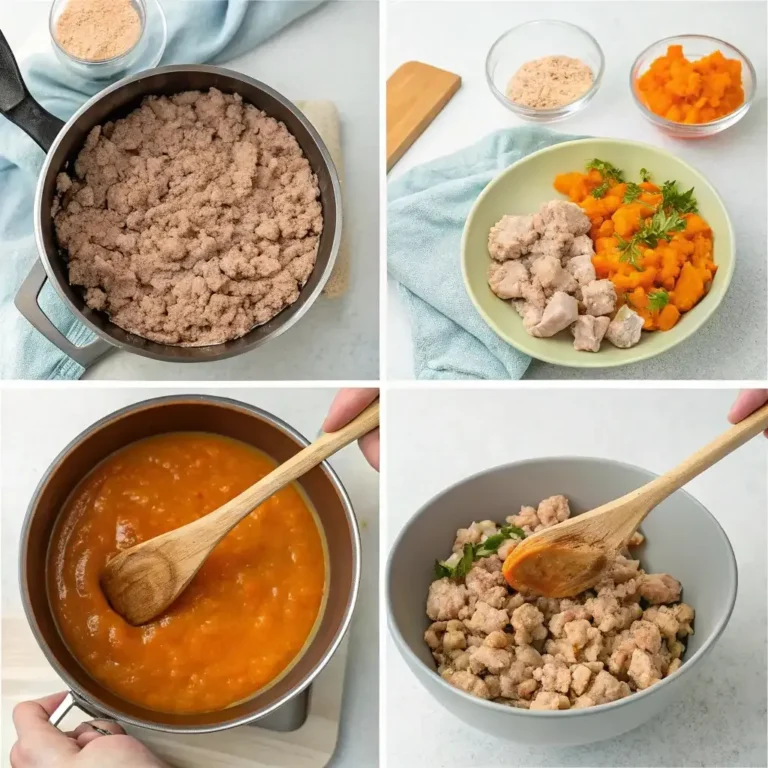
Step-by-Step Instructions

Cook sweet potatoes until soft. Simmer chicken scraps for several hours, strain bones, then combine everything and mix well.
Variations & Dietary Tweaks
You can swap chicken with turkey or rabbit. I recommend rotating proteins every couple of weeks to prevent sensitivity buildup.
Serving & Storage Tips
Freeze in small portions. I use silicone trays—it makes feeding quick and mess-free.
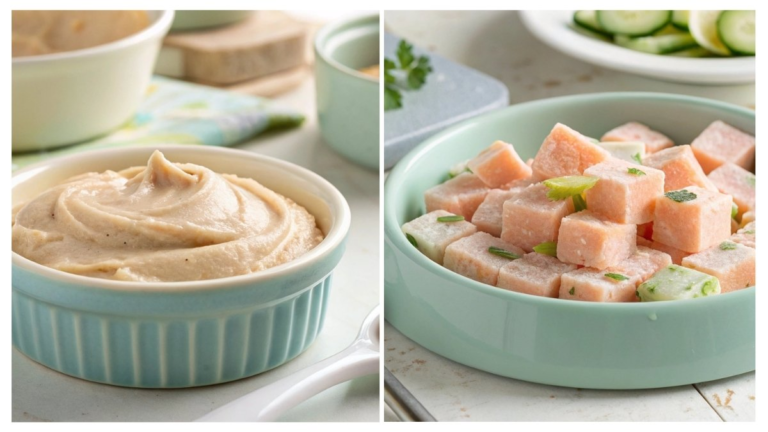
#2. Zero-Waste Homemade Cat Food: Salmon & Pumpkin Pâté (Grain-Free, Hydration-Boosting Recipe)

This recipe came from a simple observation—my cat ignored premium food but went crazy for leftover salmon scraps.
Why This Recipe Works for Cats (And Your Wallet)
Salmon skins and trimmings are rich in omega-3 fatty acids, which support coat health. Pumpkin improves digestion, especially helpful for cats prone to hairballs.
Recipe at a Glance
Prep Time: 5 minutes
Yield: 8–10 servings
Shelf Life: 4 days refrigerated
Ingredients

- Salmon scraps or canned salmon (in water)
- Pumpkin (including stringy parts)
- Fish broth
- Eggshell powder
3-Step Instructions
Cook salmon, blend all ingredients into a smooth pâté, and store in containers.

Pro Tip
I often mix a spoonful with warm water to create a “cat soup.” This significantly increases water intake—something vets also recommend for preventing kidney issues.
Variations for Special Needs
For weight management, increase pumpkin ratio. For kittens, add healthy fats for brain development.
Serving Hacks & Storage
Use small portions. I’ve found cats prefer freshly thawed food over refrigerated leftovers.
#3. Zero-Waste Homemade Cat Food: Chicken Heart & Carrot Bone Broth Jelly
This recipe started when I noticed my older cat licking jelly from cooked meat trays. That inspired me to create something similar—but healthier.
Why This Jelly Recipe is a Game-Changer

Chicken hearts are extremely rich in taurine—nearly double compared to regular meat. Bone broth provides collagen, which supports joints and digestion.
Recipe Snapshot
Prep Time: 10 minutes
Cook Time: 12 hours
Yield: 12 servings
Ingredients

- Chicken bones and necks
- Chicken hearts
- Carrot scraps
- Apple cider vinegar
Foolproof Preparation
Simmer ingredients slowly, strain thoroughly, mix in supplements, and chill until it forms a jelly.

Expert Tip
Long simmering extracts minerals more effectively. I always let mine cook overnight for maximum nutrient density.
Customizable Variations
Add psyllium husk for digestion or increase broth ratio for weight management.
Serving Secrets & Storage
Serve small portions. This jelly is excellent for hydration, especially in cats that don’t drink enough water.
#4. Zero-Waste Homemade Cat Food: Turkey Giblet & Oatmeal Loaf

I used to throw away turkey giblets every holiday—until I realized they’re actually nutritional gold for cats.
5 Reasons This Recipe Beats Store-Bought Food
Organ meats contain significantly more vitamins than muscle meat. This loaf is rich in iron, B vitamins, and natural fats.
Recipe at a Glance
Prep Time: 20 minutes
Cook Time: 1 hour
Yield: 12 servings
Ingredients

- Turkey giblets
- Turkey neck
- Oatmeal
- Egg (with shell for calcium)
Step-by-Step Instructions
Prepare broth, grind ingredients, mix with soaked oats, bake, and slice.

Personal Tip
I noticed that cats enjoy softer textures, so I slightly underbake to keep it moist.
Customizable Variations
For sensitive cats, replace oats with pumpkin.
Serving & Storage Hacks
Freeze slices individually. It saves time and prevents waste.
#5. Zero-Waste Homemade Cat Food: Fish Head & Veggie Scrap Chowder

This recipe came from watching my cat obsess over a fish head I planned to discard. That moment changed how I viewed “waste” completely.
Why This Chowder Outperforms Canned Food
Fish heads contain higher levels of taurine and healthy fats compared to fillets. This makes them incredibly valuable nutritionally.
Recipe Overview
Prep Time: 15 minutes
Cook Time: 2 hours
Yield: 16 servings
Ingredients

- Fish heads or frames
- Vegetable scraps
- Kombu seaweed
- Rice or oatmeal
Simple 3-Step Preparation

Simmer everything, remove bones, blend smooth, and store.
Expert Tip
Always choose low-mercury fish. I avoid tuna and stick to salmon or sardines for safety.
Customizable Variations
Add extra fats for weight gain or dilute for hydration-focused meals.
Serving & Storage Innovations
Serve slightly warm. Cats respond strongly to smell, and warmth enhances aroma significantly.
All content on this site is written and reviewed by our experienced team to ensure it is accurate, reliable, and helpful for our readers. Our Our Process page explains how we carefully research and create high-quality content, while our Team page introduces the professionals behind our work. We also provide clear guidelines for content or image concerns on our Image Removal page, so you can trust that we prioritize transparency, quality, and reader safety.