7 Low Calorie Dog Treats For Overweight Dogs
I noticed one of my dogs gaining weight slowly without realizing how much treats were contributing to the problem. The extra pounds started affecting energy levels, walks became shorter, and getting up after naps looked harder than before. That experience completely changed how I approached snacks and reward-based feeding.
Finding low calorie dog treats helped me continue training and rewarding my dogs without adding unnecessary weight gain. After years of preparing homemade meals and caring for dogs with joint issues and slower metabolism, I learned that healthier treats can still keep dogs excited without overloading them with calories.
Save For later
Key Takeaways
- Low calorie dog treats help support healthy weight management
- Vegetables and lean proteins often work better than processed snacks
- Smaller portions can reduce unnecessary daily calorie intake
- Homemade treats allow better ingredient and portion control
- Overfeeding treats can contribute to joint and mobility problems
- Healthy treats still work well for training and rewards
Pro Tip
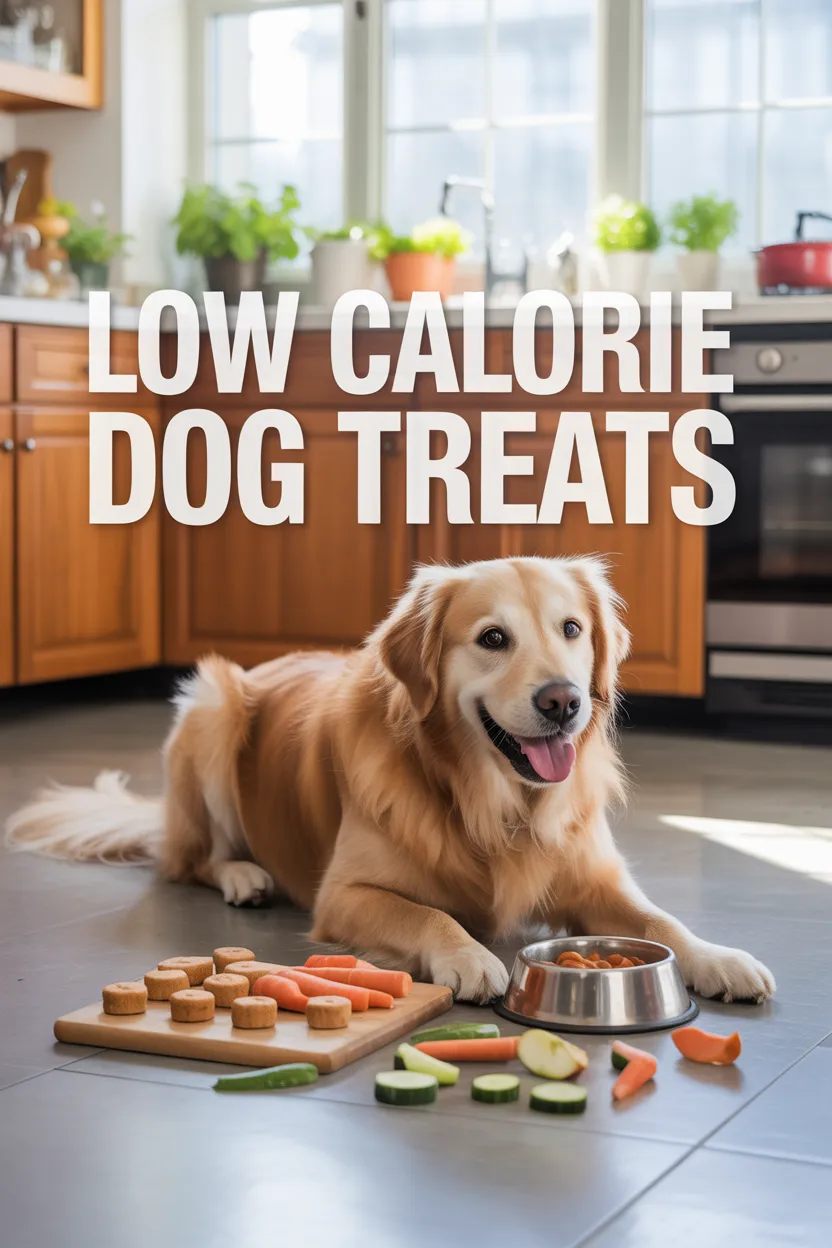
One thing that made a huge difference for me was breaking treats into much smaller pieces than most people normally use. Dogs usually care more about getting rewarded than the actual size of the treat. I also started using part of my dogs’ daily meal as training rewards instead of adding extra snacks on top. Crunchy vegetables like cucumber and carrots worked surprisingly well for food-motivated dogs. I avoid leaving treat jars within easy reach because extra handfuls add up quickly over time. Another trick that helped was slowing down treat frequency during quiet indoor activities. Consistency matters far more than giving large treats repeatedly throughout the day.
Related Posts
- Healthy Low Carb Dog Treat Ideas for Weight Control
- Best Low Calorie Dog Treats for Overweight Dogs
- Homemade Healthy Dog Snacks for Daily Training Rewards
1. Frozen Blueberry Bites
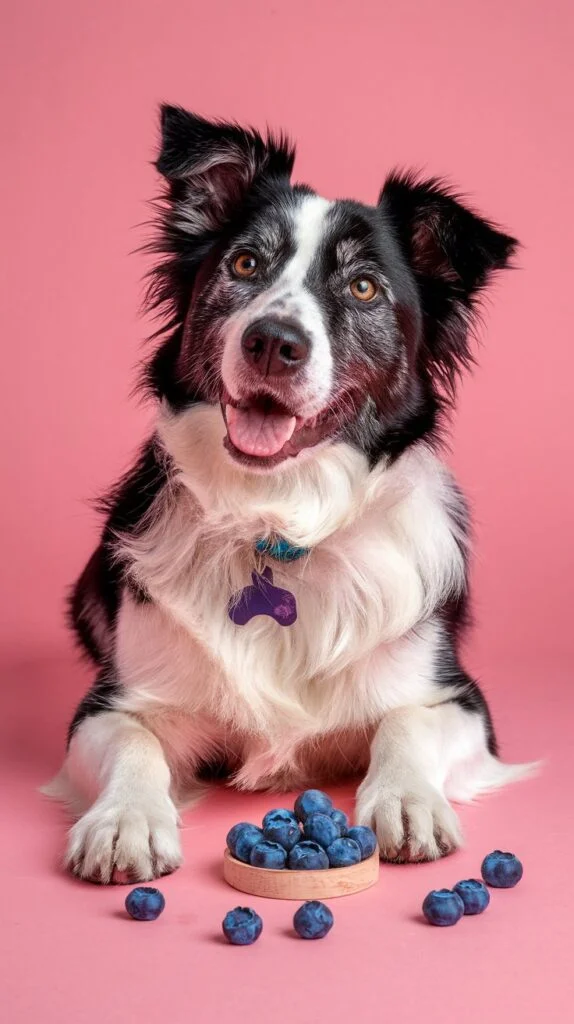
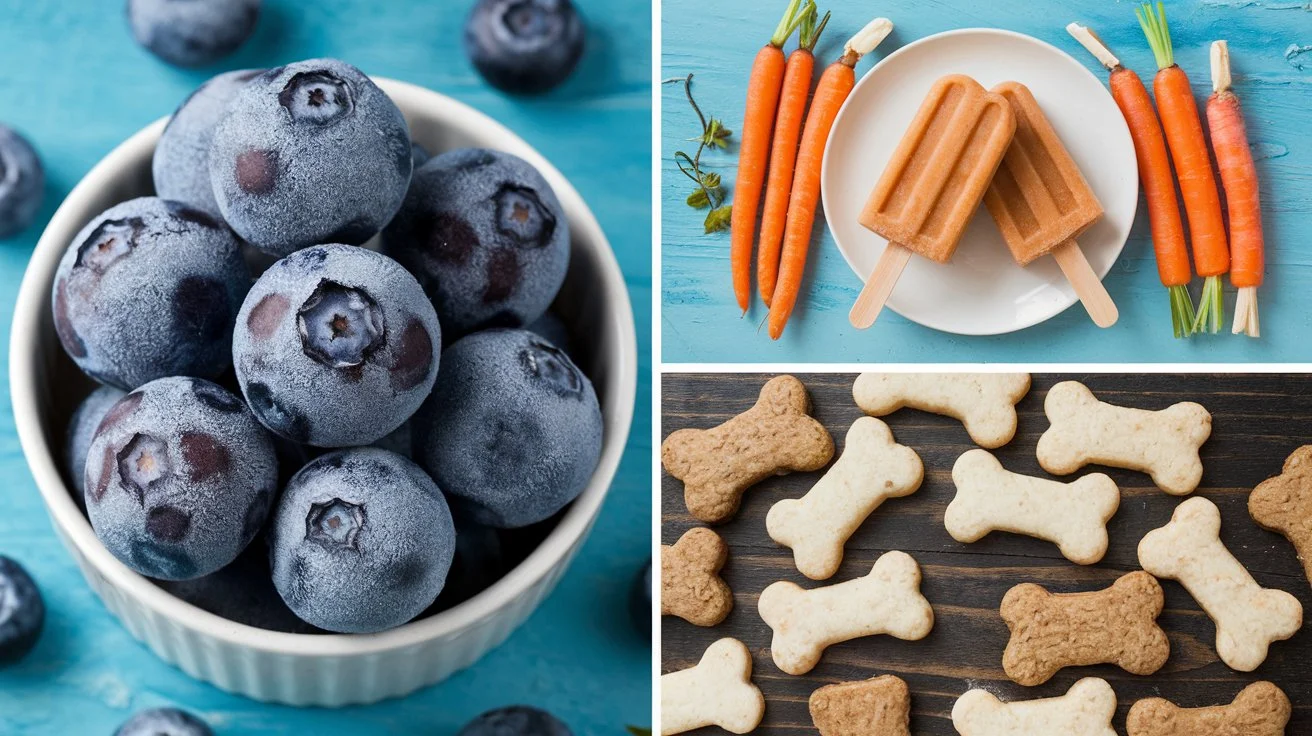
Blueberries are one of my favorite low-calorie treats. They’re naturally sweet, easy to portion, and packed with antioxidants that support brain and heart health. I’ve used these with senior dogs and younger overweight pups alike, especially during summer.
You can serve blueberries raw or blend them with yogurt and freeze them into small bites.
Ingredients
1 cup fresh or frozen blueberries
1 cup plain yogurt
Instructions
Rinse the blueberries thoroughly.
Blend with yogurt until smooth.
Spread onto a baking sheet or spoon into molds and freeze for 2–3 hours.
Store in a freezer-safe container for up to one month.
Pro Tip: Blueberries contain about 1 calorie per berry, making portion control incredibly easy. I recommend starting with 2–3 for small dogs and up to 6 for large breeds.
2. Carrots (Or Carrot Crunchers)
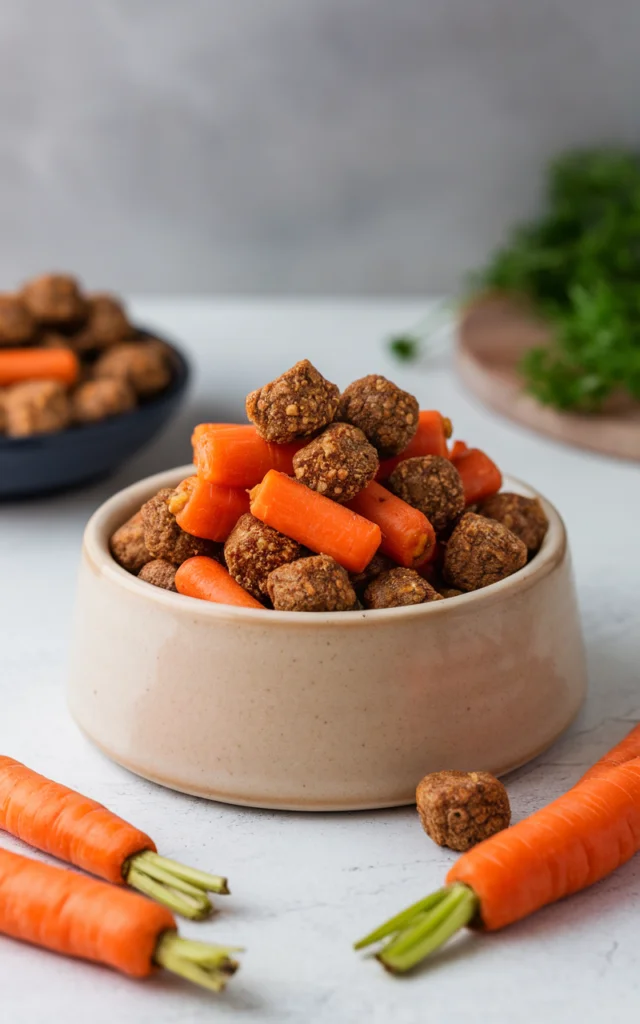
Carrots are a classic for a reason. They’re crunchy, satisfying, and extremely low in calories. I’ve given carrots to hundreds of dogs over the years, especially those who constantly beg for snacks.
Ingredients
1–2 fresh carrots
Instructions
Wash and peel the carrots.
Cut into bite-sized sticks or rounds.
Serve raw or lightly steamed for softer texture.
FYI: Chewing carrots can help reduce plaque buildup. One medium carrot has about 25 calories, but most dogs eat far less than that per serving.
3. Sweet Potato Chews
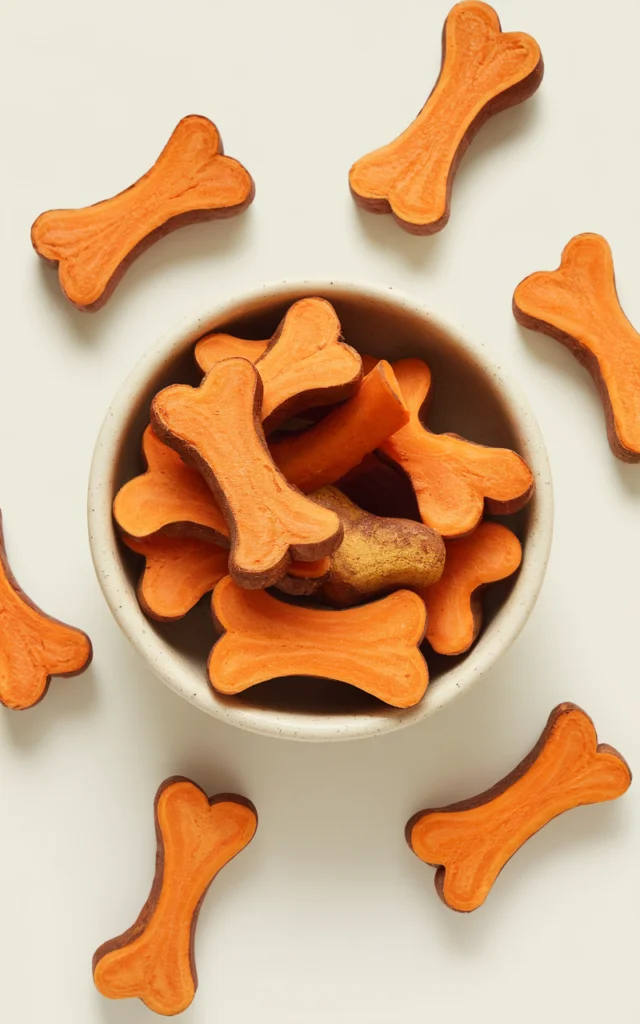
Sweet potatoes are filling without being fattening. When prepared correctly, they’re one of the best chewy alternatives to processed treats. I often recommend these to dogs who need something to gnaw on.
Ingredients
1 large sweet potato
Instructions
Preheat oven to 250°F (120°C).
Slice sweet potato into thin strips.
Bake for 2–3 hours, flipping halfway, until chewy.
Note: Sweet potatoes are higher in calories than some veggies, so moderation is key. I usually limit these to 1–2 small chews per day for overweight dogs.
4. Apple Slices
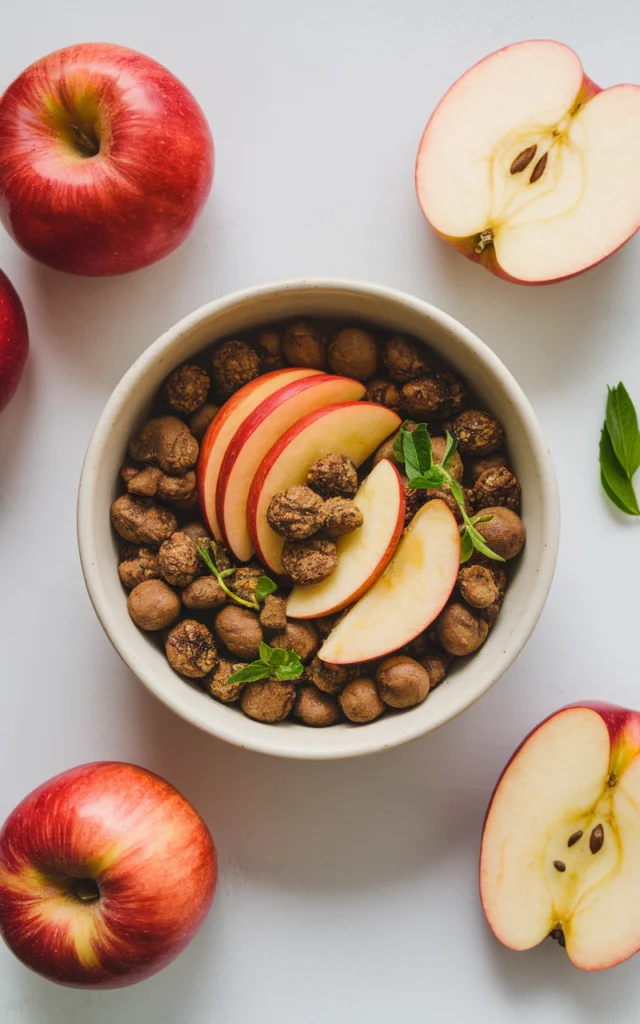
Apples are refreshing, crunchy, and naturally low in calories. I’ve used them frequently during grooming sessions as a distraction treat.
Ingredients
1 apple
Instructions
Wash the apple thoroughly.
Remove the core and seeds completely.
Slice into thin pieces and serve fresh or frozen.
Fun Fact: Apples provide fiber and vitamin C, and one thin slice averages under 5 calories.
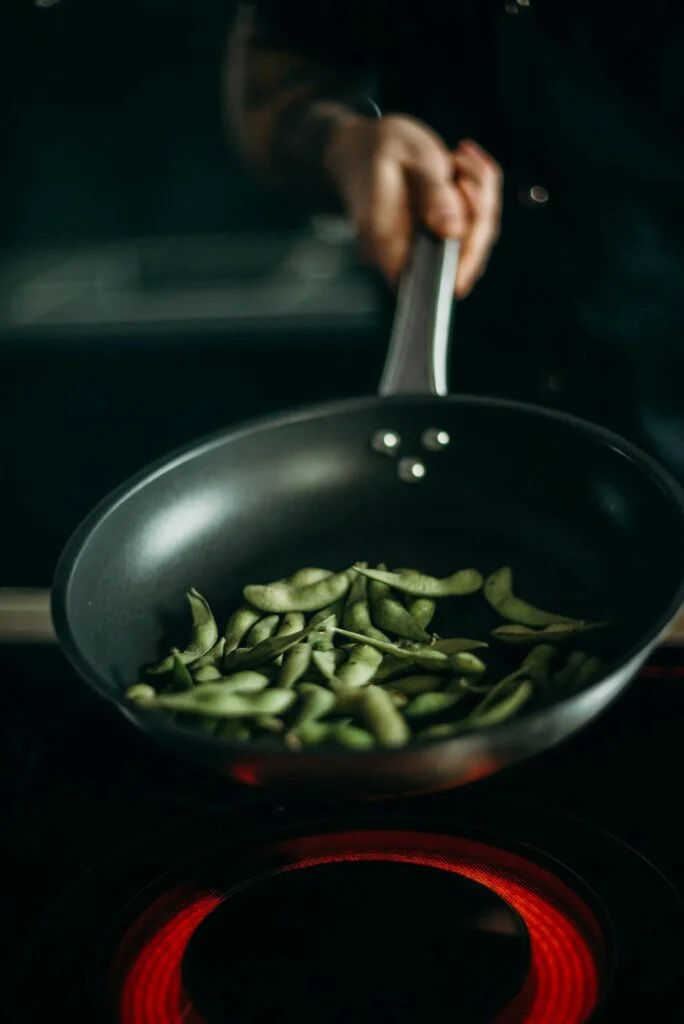
5. Plain Green Beans
Green beans are one of the best weight-loss foods for dogs. Many vets even recommend replacing part of a dog’s meal with green beans for weight control.
Ingredients
1 cup fresh or frozen green beans
Instructions
Steam or boil until tender.
Allow to cool fully before serving.
Refrigerate leftovers for up to 3 days.
Pro Tip: I’ve successfully helped dogs lose weight by replacing 10–20% of kibble with green beans, under vet supervision.
6. Pumpkin Pupsicles
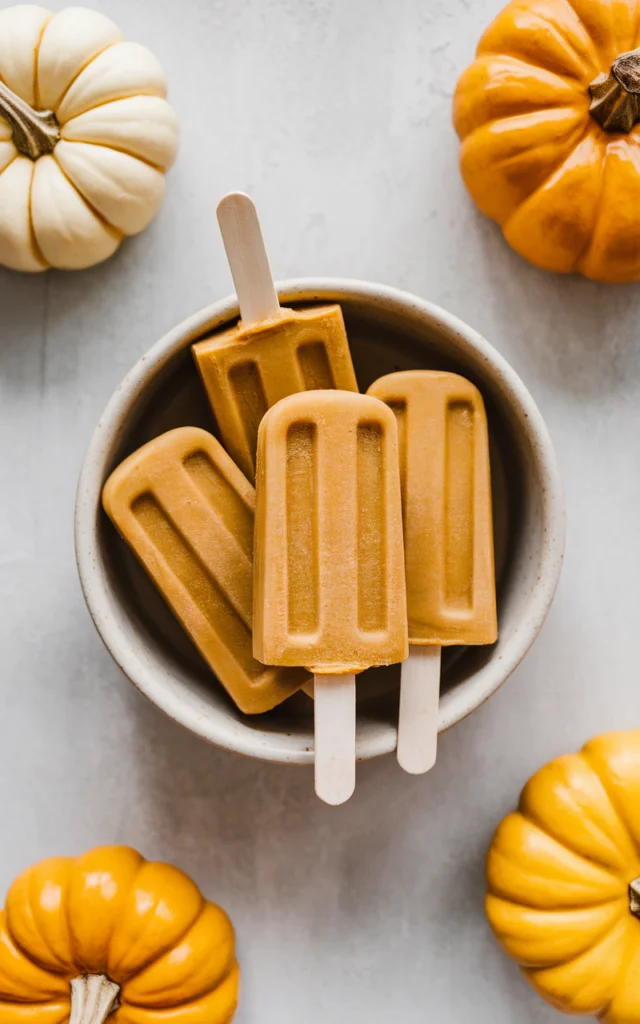
Pumpkin is excellent for digestion and incredibly low in calories. I’ve relied on pumpkin for years when dogs struggle with constipation or loose stools.
Ingredients
1/2 cup pure pumpkin puree
1/2 cup water or low-sodium broth
Instructions
Mix pumpkin with liquid.
Pour into ice cube trays or molds.
Freeze for 4–6 hours.
FYI: Pumpkin contains soluble fiber that supports gut health and can help dogs feel full longer—perfect for weight management.
7. Store-Bought Low-Calorie Treats
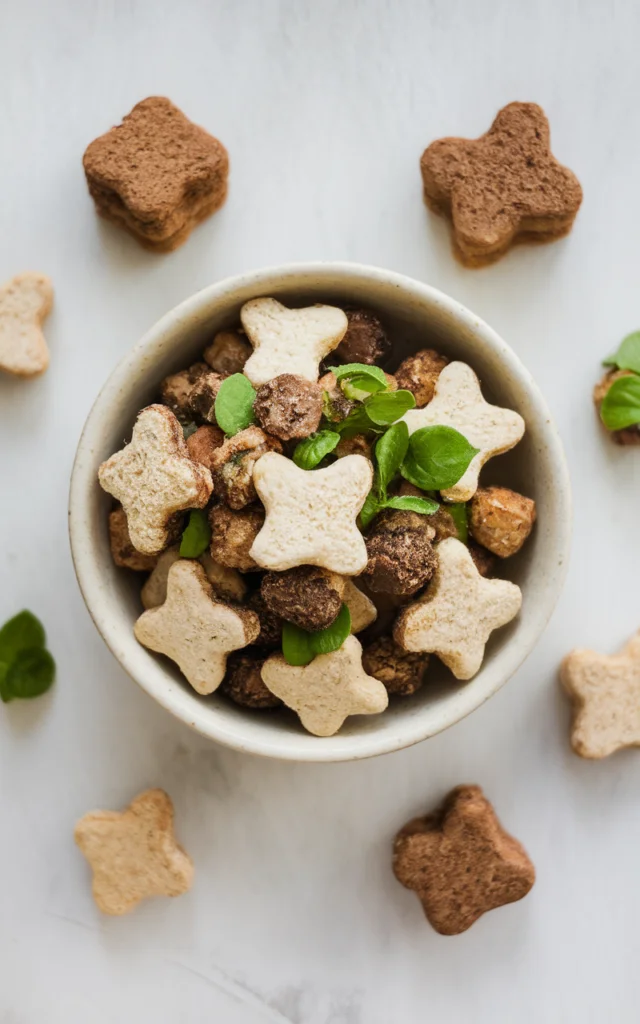
While homemade is my preference, there are decent store options available. Look for treats with short ingredient lists, no added sugar, and clear calorie labeling.
Pro Tip: Choose treats under 5 calories each and break them into smaller pieces for training to avoid calorie overload.
FAQs
1. How many treats should I give my overweight dog?
Treats should stay under 10% of daily calories. For many overweight dogs, that’s just 1–2 small treats per day.
2. Can I give my dog fruits and vegetables every day?
Yes, in moderation. I recommend rotating options and introducing new foods slowly.
3. Are there any fruits or vegetables dogs should avoid?
Yes. Never give grapes, raisins, onions, garlic, or avocado.
4. How do I know if my dog is overweight?
You should be able to feel ribs without pressing hard and see a waistline from above. If not, consult your vet.
5. Can I use these treats for training?
Absolutely. Cut them into tiny pieces—dogs care more about frequency than size.
Final Thoughts
Helping your dog lose weight doesn’t mean removing joy from their life. I’ve watched countless dogs regain energy, reduce joint pain, and live longer simply by switching to smarter treats. These low-calorie options let you reward your dog without guilt—and without compromising their health.
Consistency, portion control, and love go a long way. Your dog doesn’t need more treats—they need better ones.
All content on this site is written and reviewed by our experienced team to ensure it is accurate, reliable, and helpful for our readers. Our Our Process page explains how we carefully research and create high-quality content, while our Team page introduces the professionals behind our work. We also provide clear guidelines for content or image concerns on our Image Removal page, so you can trust that we prioritize transparency, quality, and reader safety.