6 Mistakes Great Dane Owners Make
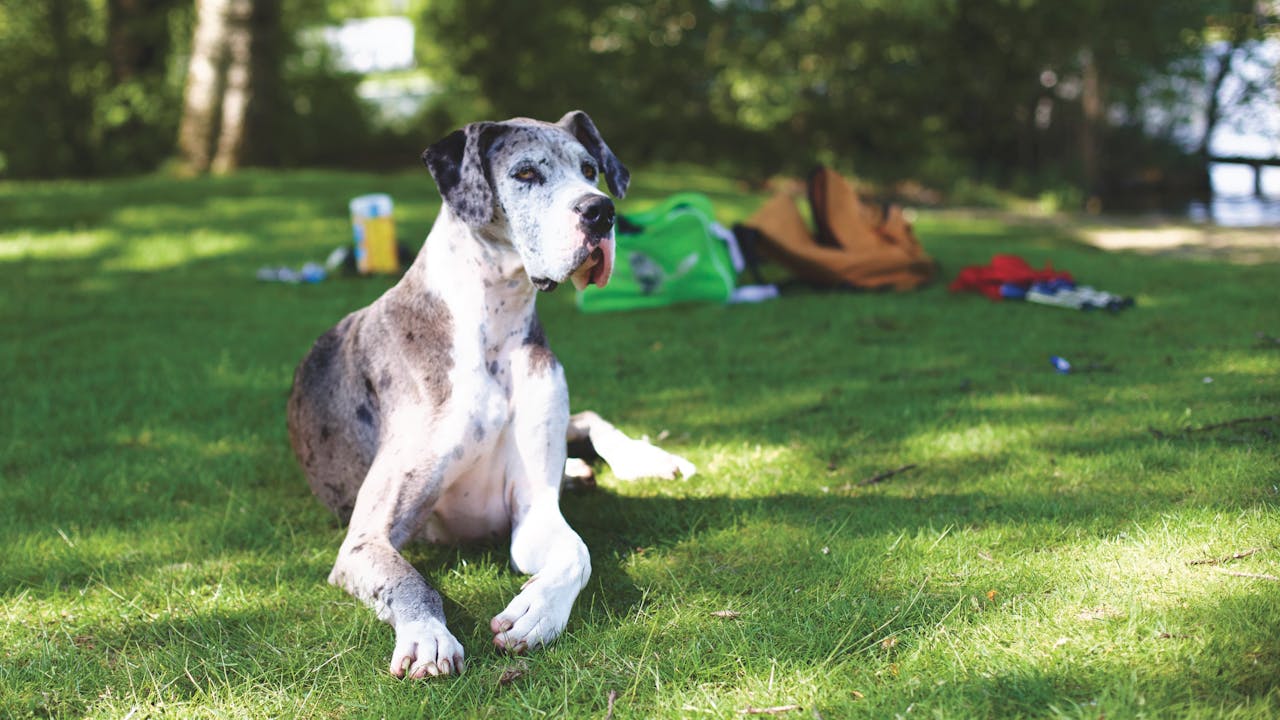
So, you got a Great Dane. Congrats! You now share your home with a majestic, loving giant who thinks they’re a lap dog. After 20 years of grooming, feeding, training, and living alongside large and giant breeds, I can tell you this with confidence: owning a Great Dane is incredible—but it requires serious responsibility.
I’ve worked hands-on with dozens of Danes over the years, and while they’re famously gentle, I’ve seen the same preventable mistakes repeated again and again. Let’s break down the six most common mistakes Great Dane owners make—and exactly how to avoid them.
Key Takeaways
- Early obedience training is critical for a breed that can exceed 150 pounds.
- Overexercising puppies can permanently damage developing joints.
- Great Danes require significant space—even indoors.
- Drooling is unavoidable but manageable with routine care.
- Budgeting for food, medical care, and giant-breed equipment is essential.
- Bloat (GDV) is a life-threatening emergency every Dane owner must understand.
According to the American Kennel Club, the Great Dane is one of the tallest dog breeds in the world. Males commonly weigh 140–175 pounds. That size magnifies both the joy—and the consequences—of ownership decisions.
Here’s what I’ve learned from two decades of real-world experience.
1. Skipping Training Because “They’re So Gentle”
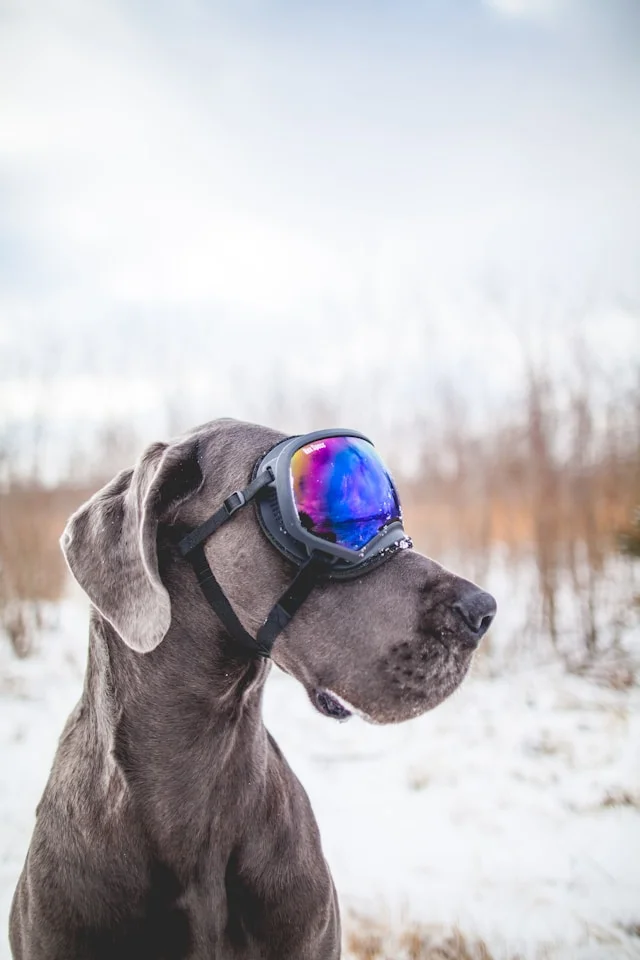
Yes, Great Danes are typically sweet, affectionate, and people-oriented. But when your “baby” weighs more than most adults, manners are non-negotiable.
I’ve seen untrained Danes accidentally injure owners simply by jumping or leaning too hard. A 150-pound dog without impulse control isn’t cute—it’s risky.
Why This Matters
- Jumping can cause serious injuries.
- Pulling on leash becomes unmanageable quickly.
- Lack of boundaries increases anxiety and destructive behavior.
Fix it:
- Start training on Day 1.
- Focus on leash manners immediately.
- Teach “off,” “wait,” and “place” early.
- Be consistent—no exceptions.
Positive reinforcement works best, but structure must be clear. In my experience, Danes respond beautifully to calm, confident leadership.
2. Overexercising Puppies
This is one of the biggest mistakes I see.
Great Dane puppies grow extremely fast. Their bones and joints continue developing until 18–24 months. High-impact exercise during this window can contribute to hip dysplasia and joint instability.
The Orthopedic Foundation for Animals reports that large and giant breeds are at higher risk for orthopedic disorders, especially when overexercised young.
Common Mistakes
- Long runs
- Stair climbing
- Excessive fetch
- Jumping off furniture
Fix it:
- Keep walks short and controlled.
- Avoid hard surfaces for extended play.
- No forced running.
- Prioritize low-impact activities like gentle leash walks and basic obedience.
I always tell owners: just because they look big doesn’t mean they’re physically mature.
3. Underestimating How Much Space They Actually Need
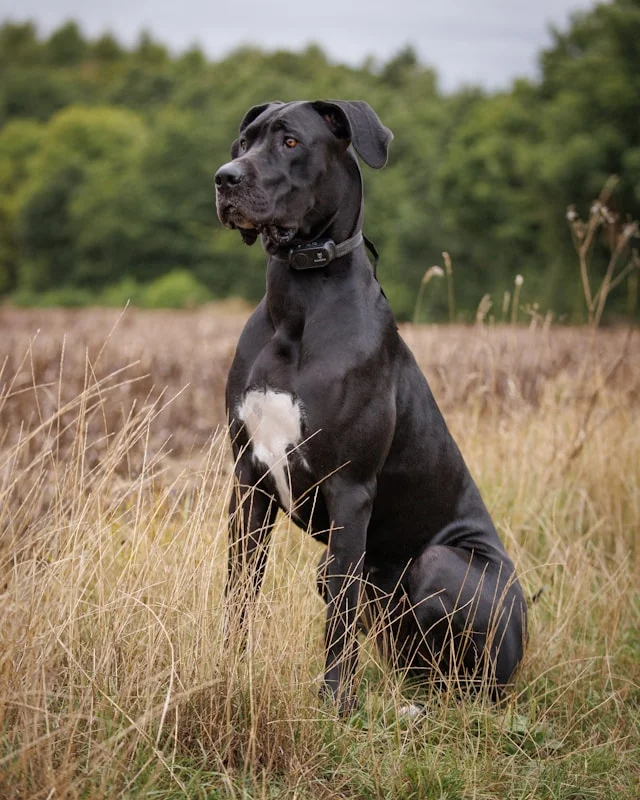
Technically, Great Danes can live in apartments. But realistically? They need space to stretch, turn, and exist without constant collision.
Their tails alone operate at coffee-table height.
What Owners Forget
- Crates must be giant-breed sized.
- Beds need full-body support.
- Tight hallways increase stress and accidents.
Fix it:
- Clear walking paths indoors.
- Provide a large orthopedic bed.
- Ensure daily outdoor walks are consistent and enriching.
Even mellow adult Danes need structured movement to maintain muscle tone and joint health.
4. Ignoring the Drool Factor
Let’s be honest. They drool. A lot.
It’s not occasional—it’s physics. Their loose jowls trap saliva, and when they shake their heads, it becomes airborne.
From 20 years of grooming experience, I can say neglected facial hygiene can lead to:
- Skin irritation
- Odor buildup
- Bacterial growth in folds
Fix it:
- Keep drool towels accessible.
- Wipe jowls after meals.
- Clean facial folds regularly.
- Wash bedding frequently.
Routine hygiene prevents skin infections and keeps your home manageable.
5. Not Budgeting for Their GIANT Needs
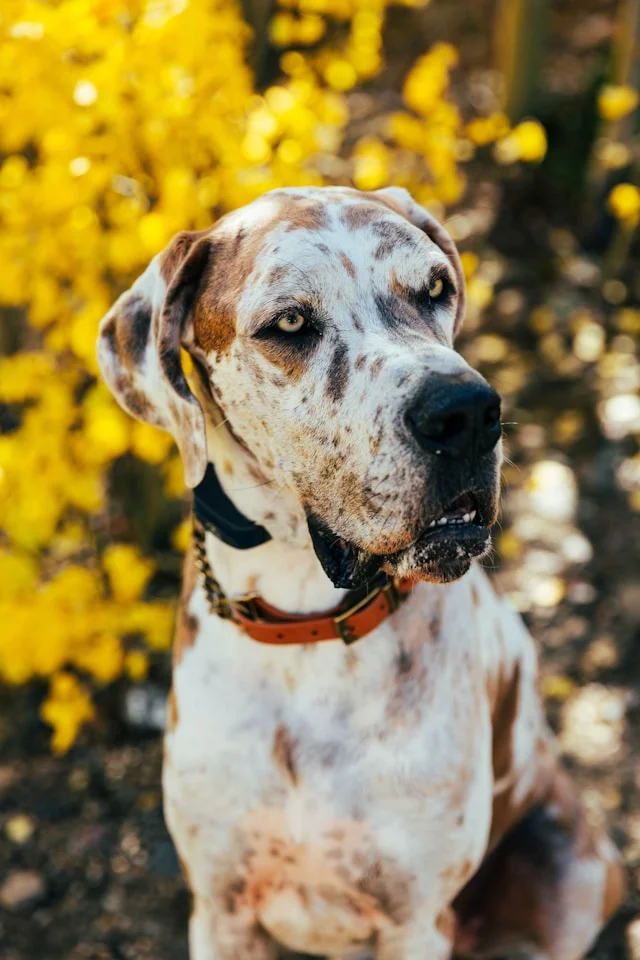
Everything costs more with a giant breed.
Food consumption alone can range from 6–10 cups daily depending on age, metabolism, and activity level. Quality matters—rapid growth must be supported with balanced giant-breed nutrition.
Other Increased Costs
- Higher anesthesia doses
- Larger medication quantities
- Bigger crates and beds
- Larger collars and harnesses
- Higher surgical costs
In my experience, emergency orthopedic surgery for a giant breed can cost thousands more than for a medium-sized dog.
Fix it:
- Plan a monthly budget before bringing one home.
- Consider pet insurance early.
- Maintain preventive care to reduce long-term costs.
Prepared owners enjoy Dane ownership far more than financially stressed ones.
6. Not Knowing About Bloat (Until It’s Too Late)
This is the most serious topic on this list.
Bloat, or Gastric Dilatation-Volvulus (GDV), is especially common in deep-chested breeds like the Great Dane. It is a life-threatening emergency that can become fatal within hours.
What Happens
- The stomach fills with gas.
- It twists.
- Blood flow is restricted.
- Shock can occur rapidly.
Warning Signs
- Restlessness
- Distended abdomen
- Unproductive retching
- Excessive drooling
- Rapid breathing
Fix it:
- Feed smaller, split meals daily.
- Avoid vigorous activity one hour before and after meals.
- Discuss preventive gastropexy surgery with your veterinarian.
- Know the location of your nearest emergency clinic.
I personally educate every large-breed client about GDV. Awareness saves lives.
FAQ: Great Dane Edition
❓Do Great Danes really make good house dogs?
Yes—when properly trained and exercised. Adult Danes are often calm indoors, but their size requires planning and structure.
❓How much do they eat?
Most adults eat 6–10 cups daily, depending on metabolism and activity level. High-quality giant-breed formulas are essential to support joint health.
❓Can they live with other dogs or kids?
Absolutely—with early socialization and supervision. Because of their size, gentle interaction rules must be taught to both dog and child.
❓Are they high maintenance?
Low coat maintenance—but high responsibility. Big food, big bills, big love.
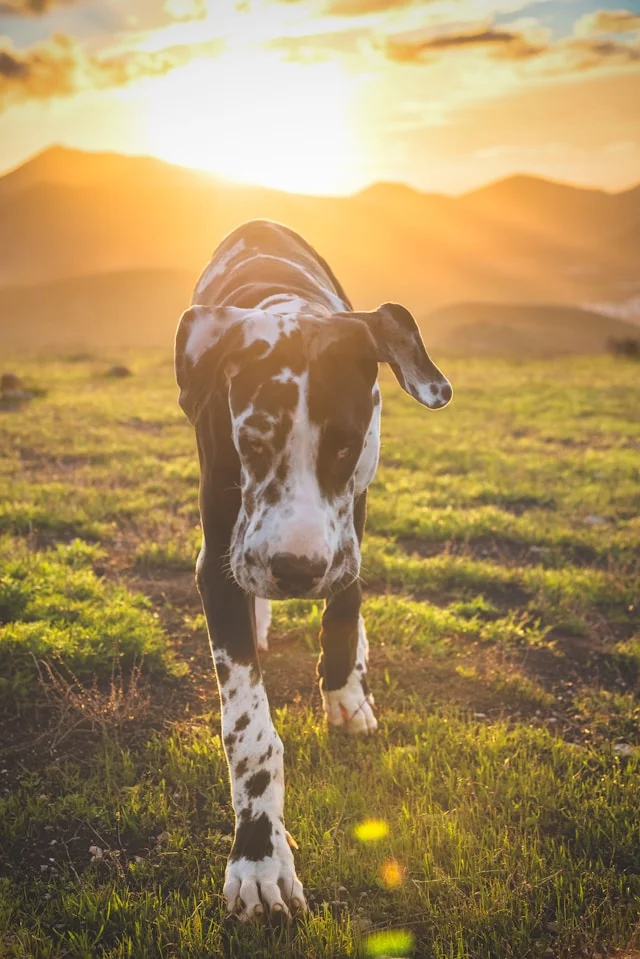
Final Thought
Great Danes are loyal, affectionate, and deeply devoted companions. They lean on you, follow you, and love with their entire oversized hearts.
But they are not “regular” dogs in bigger bodies. They require knowledge, planning, and leadership.
After two decades of hands-on experience, I can say this confidently: when raised responsibly, a Great Dane becomes one of the most rewarding companions you will ever have.
Avoid these mistakes, and you’ll enjoy the gentle giant life exactly the way it was meant to be—massive love, minimal chaos, and a whole lot of heart.