5 Homemade Cat Food Ideas Your Feline Will Flip For
Your cat deserves better than eating the same dry kibble every single day. After more than a decade of living with cats—feeding them through kittenhood, adulthood, senior years, vet recoveries, picky phases, and the occasional hunger strike—I’ve learned that variety, moisture, and freshness matter more than most people realize.
Over the years, I’ve tested dozens of homemade meals in my own kitchen. Some were instant hits. Others earned me the infamous judgment stare. The five recipes below are the ones that consistently worked—simple, affordable, gentle on digestion, and genuinely enjoyed by real cats.
Key Takeaways
- Homemade cat food works best as a supplement or rotation, not a replacement without guidance
- Cats need animal-based protein first and foremost
- Moist, warm (not hot) food is usually preferred
- Portion size and balance matter more than fancy ingredients
- Always avoid toxic foods like onion, garlic, salt, and seasoning
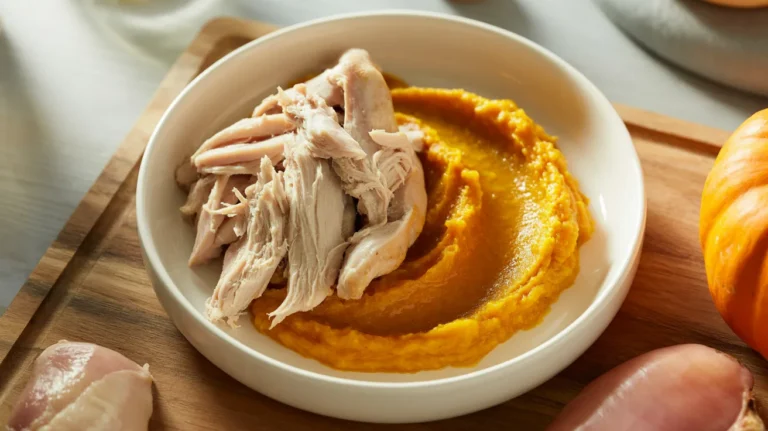
1. Cozy Chicken & Pumpkin Comfort Bowl
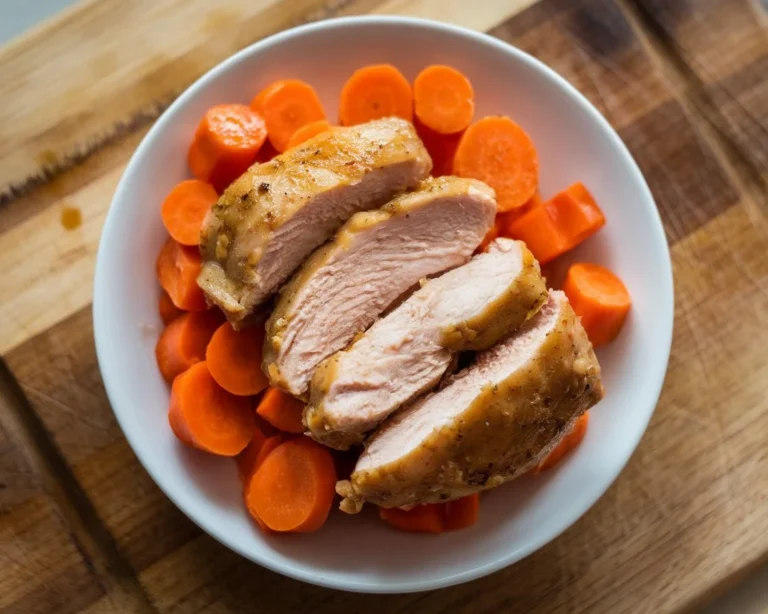
This is one of my go-to meals when a cat has a sensitive stomach, is recovering from illness, or just needs something soothing. I’ve used versions of this recipe countless times after vet visits, and it’s gentle, hydrating, and easy to digest.
Ingredients
- 1 cup cooked skinless, boneless chicken breast, finely shredded
- 1/4 cup plain canned pumpkin (not pie filling)
- 1/4 cup low-sodium chicken broth (no onion or garlic)
- 1 teaspoon olive oil
- 1 tablespoon finely mashed cooked carrot (optional)
Instructions
I poach the chicken in plain water until fully cooked, then let it cool before shredding it very finely. I gently warm the broth and stir in the pumpkin and olive oil until smooth. The chicken (and carrot, if using) gets folded in until everything is moist and evenly coated.
I always serve this slightly warm—never hot. It works as a small standalone meal or mixed into regular food. Leftovers keep in the fridge for up to two days.
2. Salmon & Sweet Pea Supper For Shiny Coats
When coat health starts slipping or shedding ramps up, this is one of my favorite omega-rich meals. Cats need fat for skin and fur health, and salmon provides it naturally.
Ingredients
- 4 ounces cooked salmon, skin and bones removed
- 1/4 cup cooked peas, mashed
- 1 large egg, lightly scrambled
- 2 tablespoons water or unsalted fish broth
- 1/2 teaspoon safflower or fish oil
Instructions
I cook the salmon just until done and flake it carefully, checking for bones. The egg is scrambled plainly in a nonstick pan and broken into tiny curds. I mash the peas and mix everything together with oil and broth until spoonably soft.
I let it cool to lukewarm before serving. This recipe is rich, so I use modest portions. Sodium-heavy canned fish is something I avoid completely.
3. Turkey & Quinoa Power Mash
For younger or more active cats, this meal provides steady energy while staying easy on digestion. Turkey has been one of the most reliably tolerated proteins in my experience.
Ingredients
- 1/2 cup extra-lean ground turkey
- 1/4 cup cooked quinoa, very soft
- 2 tablespoons finely grated zucchini, lightly steamed
- 1 tablespoon unsalted bone broth or water
- 1 teaspoon olive oil
Instructions
I brown the turkey thoroughly, breaking it into very small pieces and draining any fat. The quinoa is cooked until extremely soft. I steam the zucchini briefly and squeeze out excess moisture.
Everything is combined with broth and oil until moist. If a cat prefers smoother food, I lightly pulse it in a processor. Refrigerate for up to two days or freeze short-term.
4. Gentle Tuna & Rice Recovery Mix
This recipe has helped more than one picky eater get back into meals. I use it sparingly because tuna is strong-smelling and rich, but it’s incredibly effective.
Ingredients
- 1/2 cup tuna packed in water, drained well
- 1/4 cup cooked white rice, very soft
- 2 tablespoons low-sodium chicken or fish broth
- 1 teaspoon plain unsweetened yogurt (optional)
- 1/2 teaspoon flaxseed oil or salmon oil
Instructions
I cook the rice until very soft and slightly sticky. The tuna gets flaked finely, then mixed with rice, broth, and oil. Yogurt is optional and only used if the cat tolerates dairy well.
For cats on bland diets, I skip oil and yogurt entirely. This one is about comfort and hydration.
5. Beef & Liver Feast With Catnip Crumble
This is an occasional treat in my house, not an everyday meal. Liver is powerful nutritionally, and a little goes a long way.
Ingredients
- 1/3 cup extra-lean ground beef
- 1 tablespoon chicken liver, minced very finely
- 2 tablespoons cooked pumpkin or mashed butternut squash
- 2 tablespoons water or unsalted bone broth
- 1 teaspoon sunflower oil
- Pinch of dried catnip (optional)
Instructions
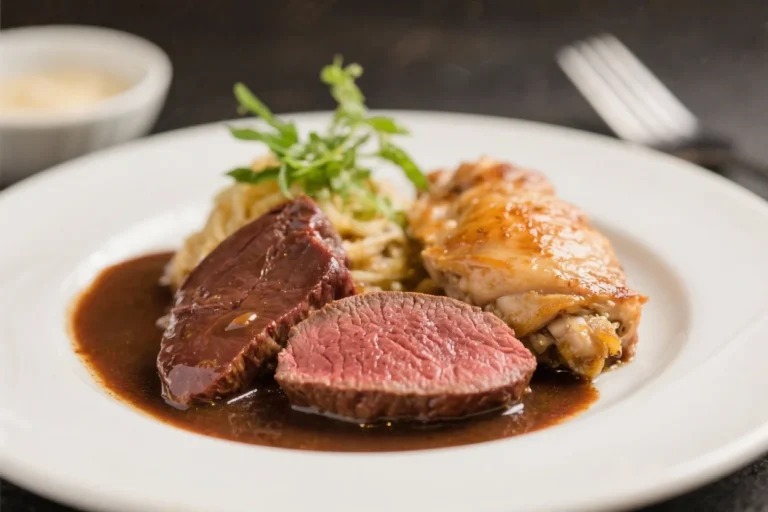
I cook the beef fully and drain excess fat. The minced liver cooks quickly—about one to two minutes. I stir in pumpkin and broth until soft and cohesive, then finish with oil.
Catnip is optional but can entice picky eaters. This dish is rich and best served in small portions.
Helpful Notes Before You Cook
Homemade food can lack taurine, calcium, and key vitamins if fed long term. Studies show taurine deficiency can lead to heart and vision problems in cats, so supplementation or veterinary guidance is essential for regular feeding.
Cats generally prefer soft, moist textures served warm. I’ve found that adding broth often makes the biggest difference in acceptance.
Leftovers should be refrigerated promptly and used within 48 hours. Frozen portions are best used within two to three weeks.
Final Thoughts
Homemade cat food doesn’t have to be complicated or expensive. After more than ten years of caring for cats daily, I’ve seen how small changes—better hydration, fresher protein, and thoughtful preparation—can improve energy, coat condition, and even mood.
Start with one recipe, observe how your cat responds, and adjust textures and portions. When your cat greets dinner with a happy head-bonk instead of suspicion, you’ll know you’re on the right track.