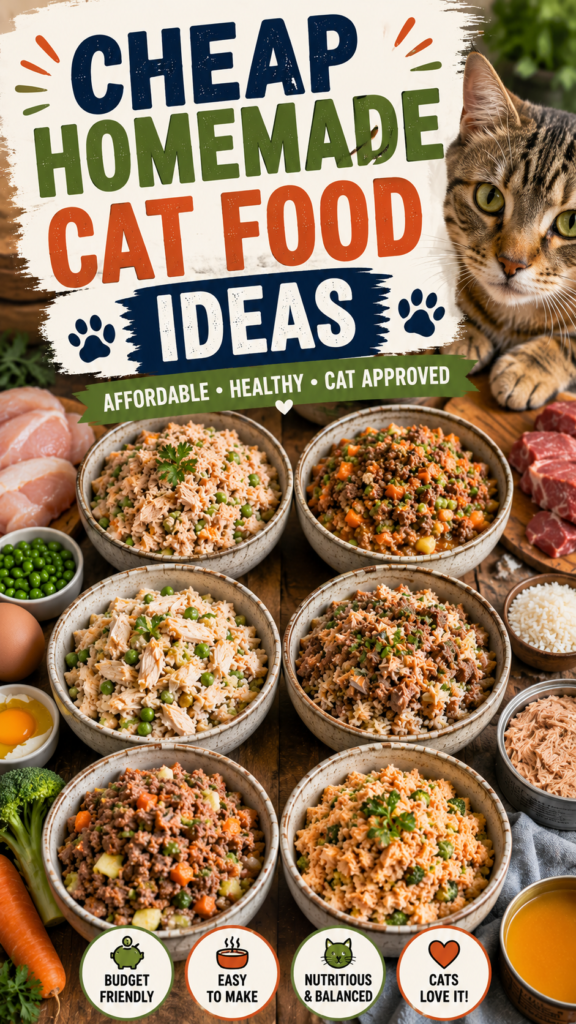
8 Cheap Homemade Cat Food Ideas You Need To Try
Finding cheap homemade cat food ideas can feel challenging when you want to save money without sacrificing quality. After years of caring for cats with different appetites and dietary needs, I learned that a nutritious meal doesn’t have to come with a high price tag. Some of the meals my cats enjoyed most were made from simple ingredients I already had at home.
I started making homemade cat meals whenever I wanted an affordable way to add variety to their routine. While I still rely on complete commercial food as the foundation of their diet, these budget-friendly recipes have been useful as occasional meals and tasty toppers. They are easy to prepare, gentle on most cats, and don’t require expensive ingredients.
Save For later
Key Takeaways
- Homemade cat meals can be prepared on a budget using simple ingredients.
- Cats require animal-based protein as the primary component of their food.
- Affordable recipes work best as supplemental meals or food toppers.
- Fresh homemade food can add moisture to a cat’s diet.
- Unsafe ingredients such as onion, garlic, and seasonings should always be avoided.
- Gradual food transitions help reduce digestive issues.
Pro Tip
One thing that helped me cut costs was buying protein in larger family-sized packs and portioning it into freezer bags right away. This reduced waste and made meal prep much faster during busy weeks. I also save plain cooking broth from cat-safe ingredients to add moisture to meals later. Whenever I try a new recipe, I prepare a small amount first to make sure my cats actually like it. Keeping ingredients simple has consistently worked better than creating complicated meals. Over time, I’ve found that affordable recipes are often the ones my cats enjoy most.
Other Posts
- Easy Homemade Cat Food Tuna Recipes for Budget-Friendly Meals
- Homemade Beef Heart and Chicken Thigh Cat Meal Recipe
- Simple Homemade Beef Cat Food Recipe for Everyday Feeding
1. Chicken & Rice Delight
This is one of the first homemade meals I ever tried with my cats. Chicken is highly palatable, and a small amount of rice can be gentle on digestion, especially during stomach upsets.
Ingredients
- 1 cup cooked chicken, shredded
- 1/4 cup cooked rice
- 1 tsp olive oil (optional)
Instructions
I cook the chicken thoroughly with no seasoning and shred it into very small pieces. I mix it with the cooked rice and add just a tiny drizzle of olive oil if extra calories or coat support are needed.
From experience, slightly warming this meal can increase acceptance. Cats rely heavily on smell, and warmth brings out aroma.
Related : 6 Soft Cat Food Recipes You Need To Know
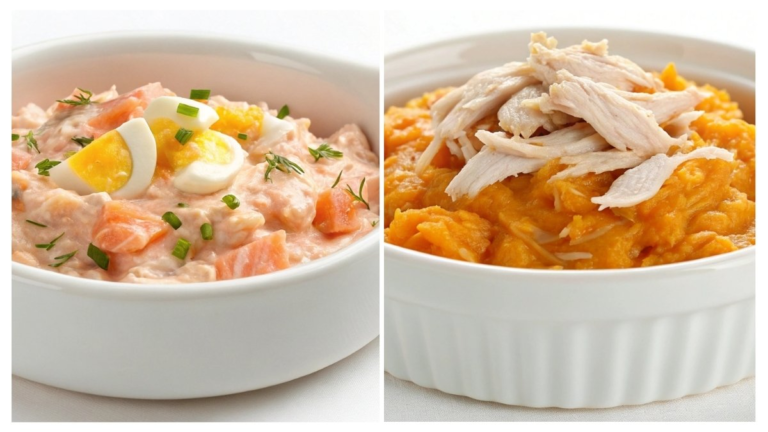
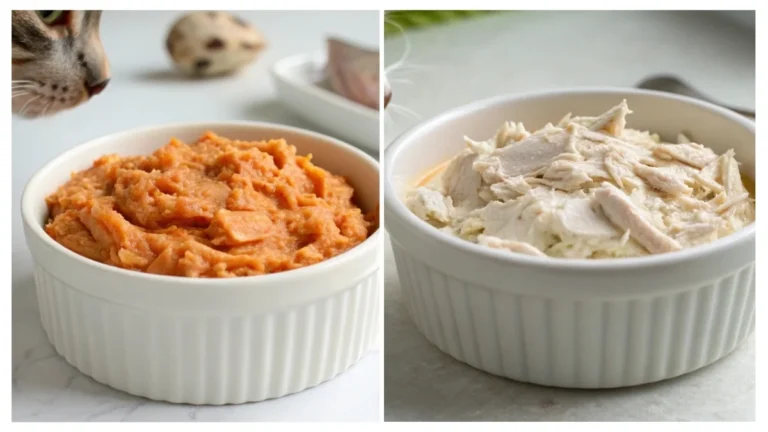
2. Tuna & Pumpkin Surprise
I’ve used this combination many times during hairball season. Tuna attracts interest, while pumpkin supports digestion.
Ingredients
- 1/2 can tuna in water, drained
- 1 tbsp plain canned pumpkin
Instructions
I flake the tuna and mix it with pumpkin until smooth. This is a rich topper, so I serve it in small portions.
Pumpkin is often recommended by veterinarians for both constipation and mild diarrhea in cats due to its soluble fiber content.
3. Beef & Veggie Mash
While cats don’t need vegetables, tiny amounts can help stool quality in some cases.
Ingredients
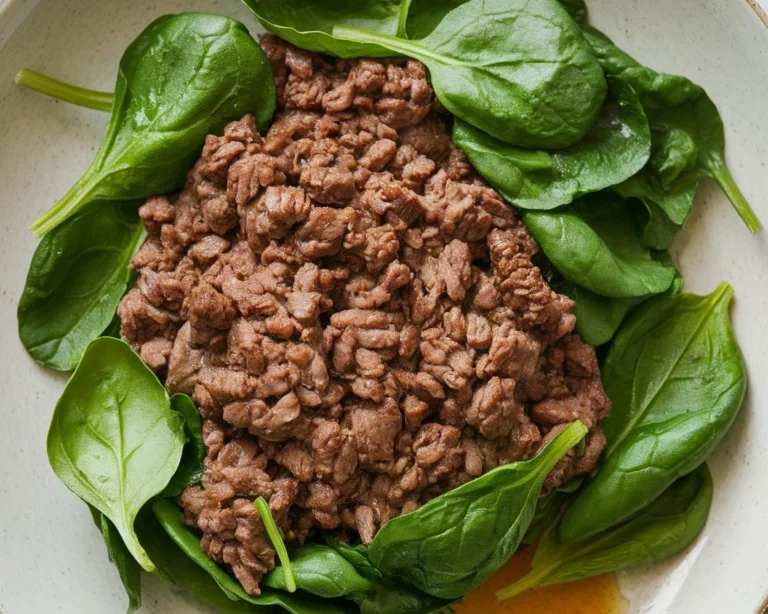
- 1/2 cup cooked lean ground beef
- 1/4 cup steamed carrots, mashed
- 1/4 cup steamed peas, mashed
Instructions
I cook the beef fully and drain excess fat. The vegetables are steamed until soft and mashed thoroughly before mixing.
I always keep vegetables minimal. Cats are obligate carnivores, and meat should remain the focus.
Related : Beef and Chicken Broth Cat Food
4. Salmon & Sweet Potato Bites
This recipe works well when I want to boost omega-3 intake naturally.
Ingredients
- 1/2 cup cooked salmon, flaked
- 1/4 cup mashed sweet potato
Instructions
I cook the salmon plain and mash it with soft sweet potato.
Sweet potatoes provide beta-carotene, which supports skin and coat health. I’ve noticed shinier fur when omega-rich meals are rotated in occasionally.
5. Turkey & Oatmeal Bowl
Turkey has been one of the most consistently tolerated proteins in my household.
Ingredients
- 1/2 cup cooked turkey, shredded
- 1/4 cup cooked plain oatmeal
Instructions
I mix shredded turkey with plain oatmeal cooked in water only.
Oatmeal provides gentle fiber, which can help reduce hairball-related constipation when used sparingly.
6. Egg & Spinach Scramble
Eggs are an excellent protein source and very easy to digest when cooked properly.
Ingredients
- 1 egg, fully scrambled
- 1 tbsp steamed spinach, finely chopped
Instructions
I scramble the egg without oil and mix in finely chopped spinach.
Eggs must always be fully cooked to avoid bacterial risks and biotin absorption issues.
7. Chicken Liver Pâté
Liver is powerful nutritionally, so I use this sparingly.
Ingredients
- 1/2 cup cooked chicken liver
- 1 tbsp water or unsalted broth
Instructions
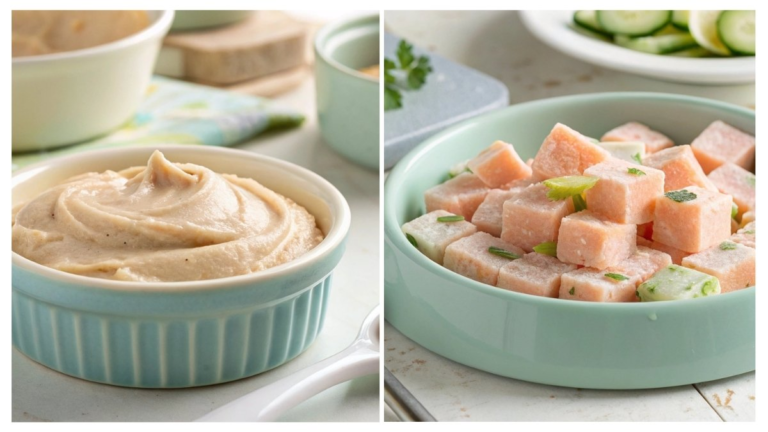
I cook the liver fully and blend it smooth with water or broth.
Liver is extremely high in vitamin A. I only serve this occasionally to avoid toxicity.
8. Sardine & Quinoa Mix
This is one of my favorite budget-friendly omega-3 options.
Ingredients
- 1/2 can sardines in water, drained
- 1/4 cup cooked quinoa
Instructions
I mash the sardines and mix them with cooked quinoa.
Sardines naturally contain calcium and omega-3 fatty acids, supporting bones, joints, and coat health.
FAQs
1. Can I feed my cat homemade food every day?
Yes, but only if the diet is properly balanced. Most homemade recipes require added taurine, calcium, and vitamins for long-term feeding. I always recommend veterinary guidance.
2. Are these recipes safe for kittens?
Kittens have higher nutritional needs. These recipes may work as tiny toppers, but regular feeding should be vet-approved.
3. Can I freeze homemade cat food?
Yes. I freeze portions for up to three months and thaw in the refrigerator before serving.
4. What ingredients should I avoid?
Avoid onions, garlic, chives, chocolate, grapes, raisins, salt, and sugar. These can be toxic to cats.
5. How do I know if my cat likes the food?
After years of cat ownership, I can confidently say: they’ll either devour it instantly or stare at you like you’ve committed a crime. Trial and error is normal.
Final Thoughts
Making cheap, homemade cat food doesn’t have to be complicated or expensive. Over more than a decade of hands-on cat care, I’ve found that simple, safe recipes can add variety, moisture, and enjoyment to a cat’s diet when used thoughtfully.
These meals aren’t about replacing complete nutrition overnight. They’re about understanding your cat’s needs, respecting their biology, and giving them food that supports health without straining your budget.
All content on this site is written and reviewed by our experienced team to ensure it is accurate, reliable, and helpful for our readers. Our Our Process page explains how we carefully research and create high-quality content, while our Team page introduces the professionals behind our work. We also provide clear guidelines for content or image concerns on our Image Removal page, so you can trust that we prioritize transparency, quality, and reader safety.