Purrfect Health: Homemade Cat Food with Probiotics for Happy Tummies
Keeping a cat’s digestive system in good shape can sometimes feel like a challenge. That’s one reason I started making homemade cat food with probiotics for my own cats. When I noticed occasional tummy troubles and inconsistent digestion, I wanted a simple way to add gut-friendly ingredients to their routine without relying entirely on commercial options.
After testing different homemade meals over the years, I found that combining quality protein with probiotic-rich ingredients worked well as an occasional addition to their diet. My cats seemed more comfortable after meals, and it gave me confidence knowing exactly what was going into their food bowl.
Save For Later
Key Takeaways
- Probiotics can help support healthy digestion in cats.
- Animal-based protein should remain the foundation of any cat meal.
- Gentle vegetables may provide additional digestive support.
- Homemade meals should be free from added salt, spices, and seasonings.
- Serve probiotic cat food at a comfortable temperature, not straight from the refrigerator.
- Use homemade probiotic recipes as a supplement unless approved by your veterinarian as a complete diet.
Pro Tip
When I prepare homemade cat food with probiotics, I always introduce new ingredients gradually. Adding too much at once can upset a sensitive stomach. I usually start with a very small portion mixed into their regular food and monitor how they respond over several days. Freshness also matters, so I make small batches instead of storing large amounts for long periods. If I use probiotic-rich ingredients, I avoid overheating them since excessive heat can reduce their benefits. Taking these extra steps has helped my cats adjust comfortably to new recipes.
Other Posts
- Easy Homemade Cat Food Ideas for Healthy Daily Meals
- Budget-Friendly Cheap Homemade Cat Food Recipes
- Nutritious Homemade Cat Food Recipes With Taurine
Why Probiotics Are a Game-Changer for Cats
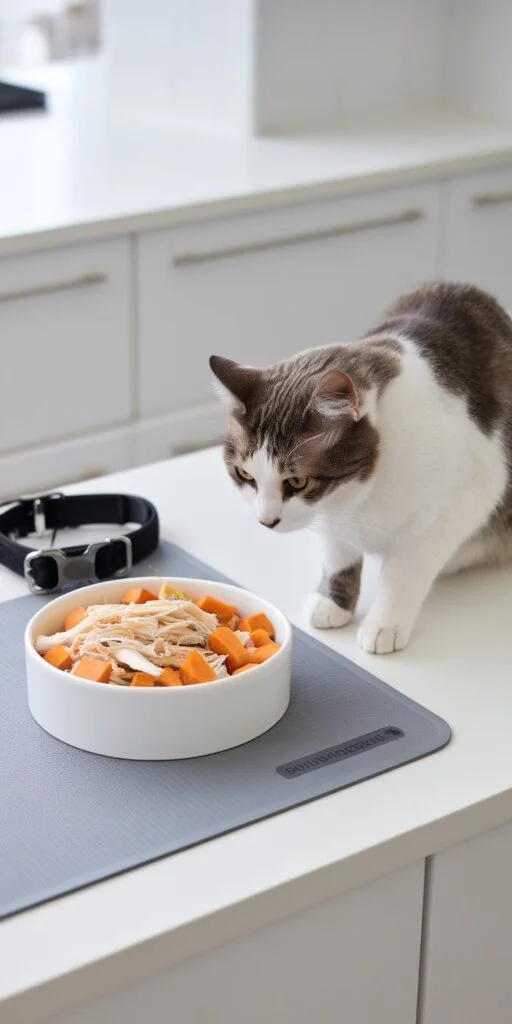
I’ve seen first-hand how probiotics transform a cat’s digestive health. Cats, like humans, benefit from good gut bacteria—they aid digestion, reduce bloating, and even strengthen immunity. A few months of incorporating probiotic-rich meals in my cats’ diet noticeably reduced digestive upsets, and their coats became shinier.
What makes this meal so effective:
- Better digestion: Fewer surprises on the carpet at midnight.
- Boosted immunity: A healthy gut supports overall immune function.
- Shiny coats and happy purrs: Improved nutrient absorption shows in their coat and energy levels.
Think of it as a feline-friendly gut smoothie—without the kale fiasco.
Ingredients for This Probiotic-Packed Cat Meal
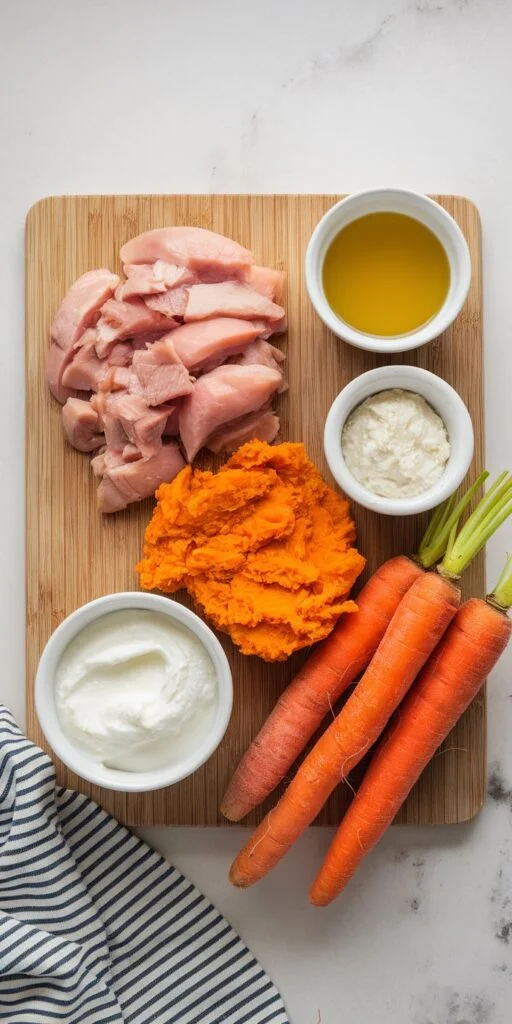
You won’t need a cart full of fancy ingredients. Here’s what I keep on hand:
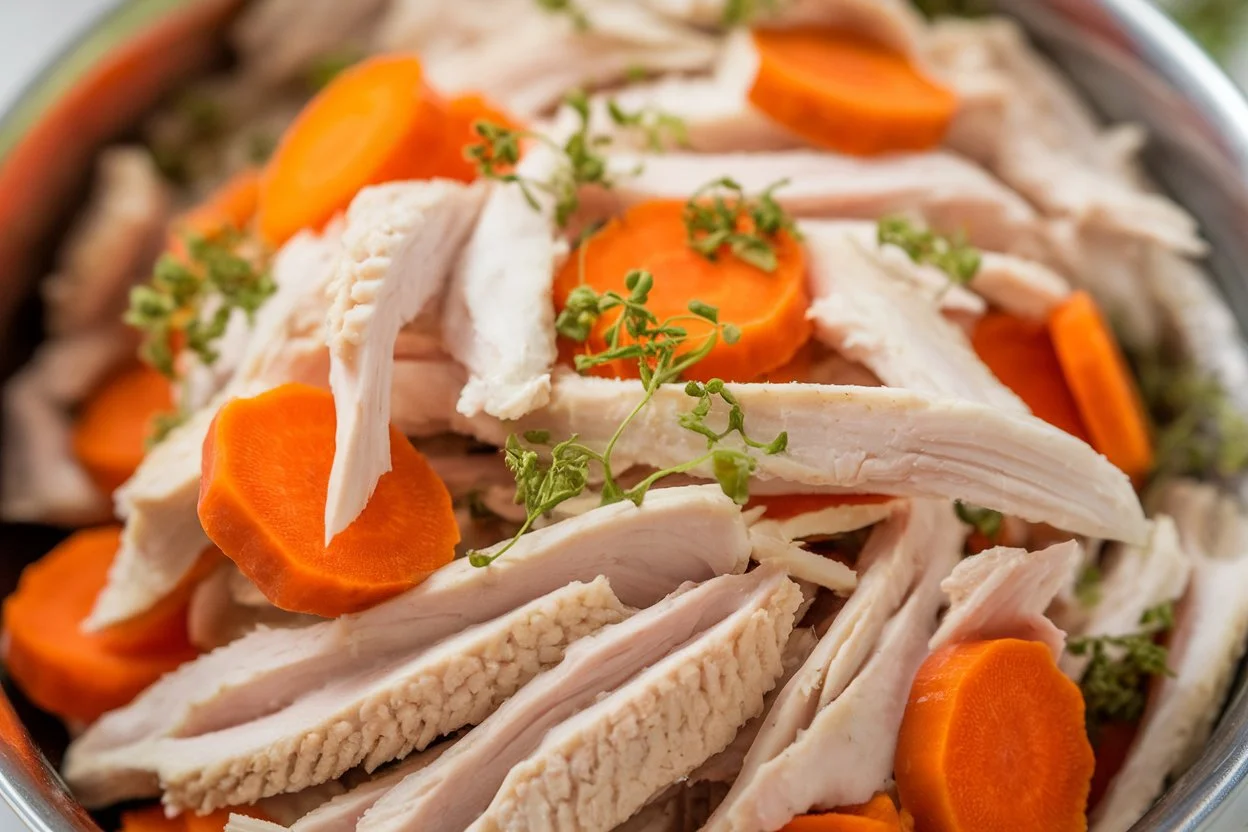
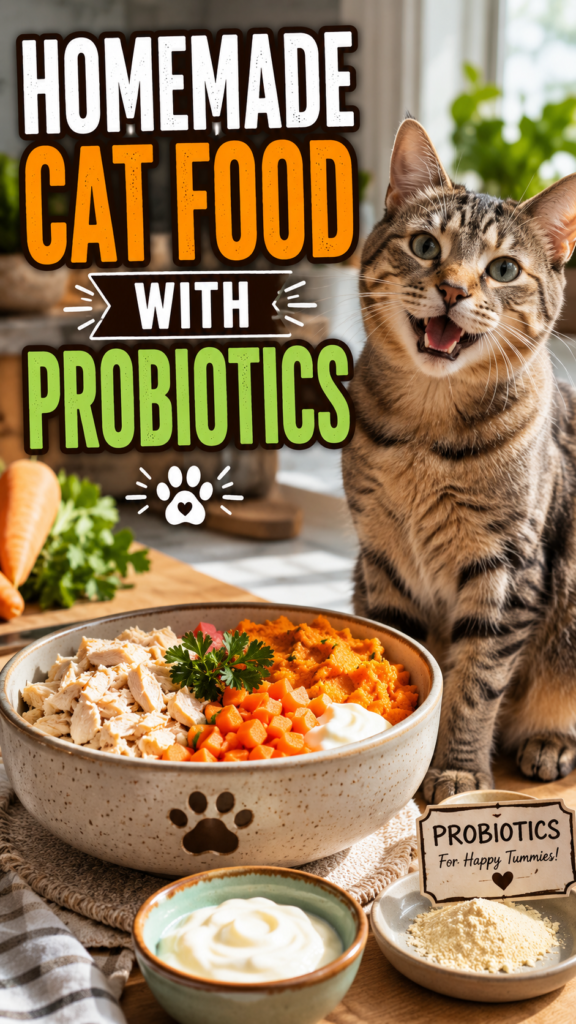
- ½ pound cooked chicken, shredded (lean protein cats adore)
- ¼ cup plain, unsweetened Greek yogurt (probiotic powerhouse)
- ¼ cup cooked and mashed sweet potatoes (fiber for digestion)
- ¼ cup cooked carrots, finely chopped (vitamins + natural sweetness)
- 1 tablespoon olive oil or fish oil (healthy fats for coat and skin)
- 1 egg yolk, cooked (extra nutrients and healthy fats)
Optional but recommended:
- A pinch of catnip (because who doesn’t like a treat?)
- A small splash of bone broth (adds flavor and joint support)
Step-by-Step: How to Make This Probiotic Mea
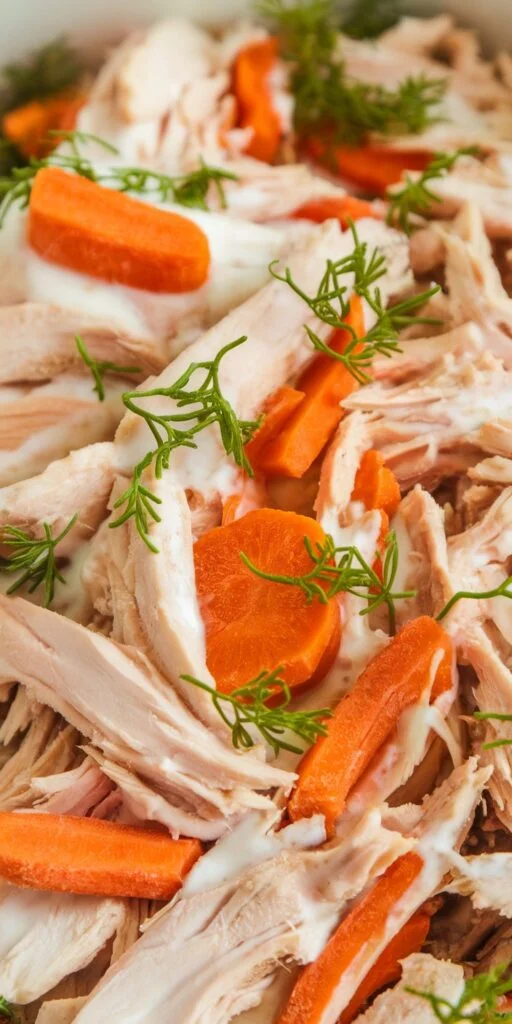
Step 1: Cook and Prep the Ingredients
Cook the chicken thoroughly—boil or bake, no seasoning needed. Shred it into bite-sized pieces. While it cools, cook and mash the sweet potatoes, and finely chop the carrots. I always make sure everything is cool enough for safe handling and serving.
Step 2: Combine the Base Ingredients
Mix the shredded chicken, sweet potatoes, carrots, and cooked egg yolk in a bowl. The aroma will be tempting for humans, but resist the urge—this is feline cuisine.
Step 3: Add the Probiotic Power
Stir in the plain Greek yogurt, coating everything evenly. Pro tip: don’t add it to hot food—you’ll kill the probiotics. Always mix once the ingredients are cooled.
Step 4: Mix in the Oils and Optional Add-Ins
Drizzle olive or fish oil over the mixture and give it another stir. Add a pinch of catnip or a splash of bone broth if you want to get fancy—they’ll notice.
Step 5: Serve or Store
Serve at room temperature. Leftovers store in an airtight container in the fridge for up to 3 days. I often freeze individual portions for quick meals, thawing overnight in the fridge before serving.
Variations to Keep Things Fresh
- Swap chicken for salmon or turkey for variety.
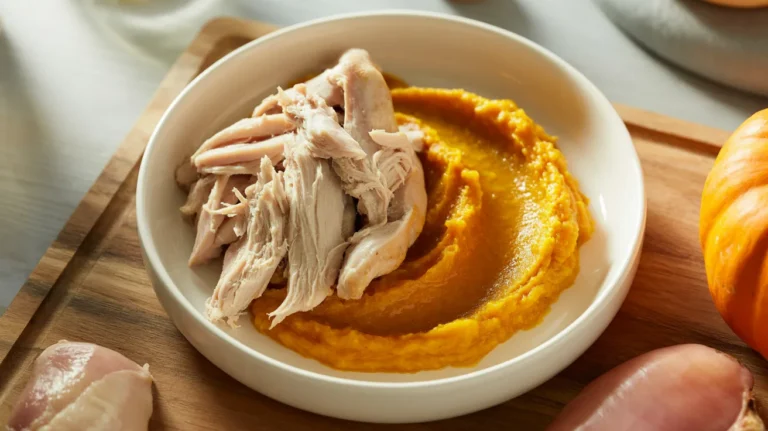
- Use pumpkin puree instead of sweet potatoes for different fiber benefits.
- Add finely chopped, cooked spinach or kale for extra nutrients.
- Try kefir instead of Greek yogurt for a tangier probiotic option.
Common Mistakes to Avoid
- Flavored or sweetened yogurt: Only plain, unsweetened yogurt is safe.
- Overfeeding: This meal is nutrient-dense; portion carefully to prevent weight gain.
- Garlic or onions: Toxic to cats. Avoid entirely.
- Ignoring allergies: Always check ingredients against your cat’s sensitivities.
FAQs: Everything You Need to Know About Probiotic Cat Food
Q: Can I make this in bulk and freeze it?
A: Yes! Freeze individual portions in airtight containers for up to a month. Thaw overnight in the fridge.
Q: How often can I feed this to my cat?
A: A few times a week is ideal. For complete diet replacement, consult your vet to ensure nutrient balance.
Q: My cat is lactose intolerant. Can I still use probiotics?
A: Yes! Use cat-friendly probiotic powders or kefir made specifically for pets.
Q: Is fish oil or olive oil better?
A: Both are excellent. Fish oil adds omega-3 fatty acids for skin, coat, and joint support.
Q: Can kittens eat this?
A: Yes, but in smaller portions. Kittens may need additional nutrients for growth.
Q: What if my cat turns up their nose?
A: Slightly warming the food or adding a splash of tuna juice can help. If needed, mix with a bit of regular cat food to ease them in.
Q: Can I add supplements to this meal?
A: Absolutely. Taurine, omega-3 oils, and probiotics can be beneficial. Always check with your vet for proper dosages.
Final Thoughts: A Happy Gut Makes for a Happy Cat
From years of experience, I can confidently say that feeding your cat a probiotic-rich homemade meal is more than just tummy support—it’s a love language. Better digestion, more energy, and fewer vet visits are the happy side effects of a healthy gut.
Give this recipe a try, and watch your cat purr with approval. Just don’t be surprised if they start expecting gourmet meals every day—they’ve got high standards, after all.
All content on this site is written and reviewed by our experienced team to ensure it is accurate, reliable, and helpful for our readers. Our Our Process page explains how we carefully research and create high-quality content, while our Team page introduces the professionals behind our work. We also provide clear guidelines for content or image concerns on our Image Removal page, so you can trust that we prioritize transparency, quality, and reader safety.