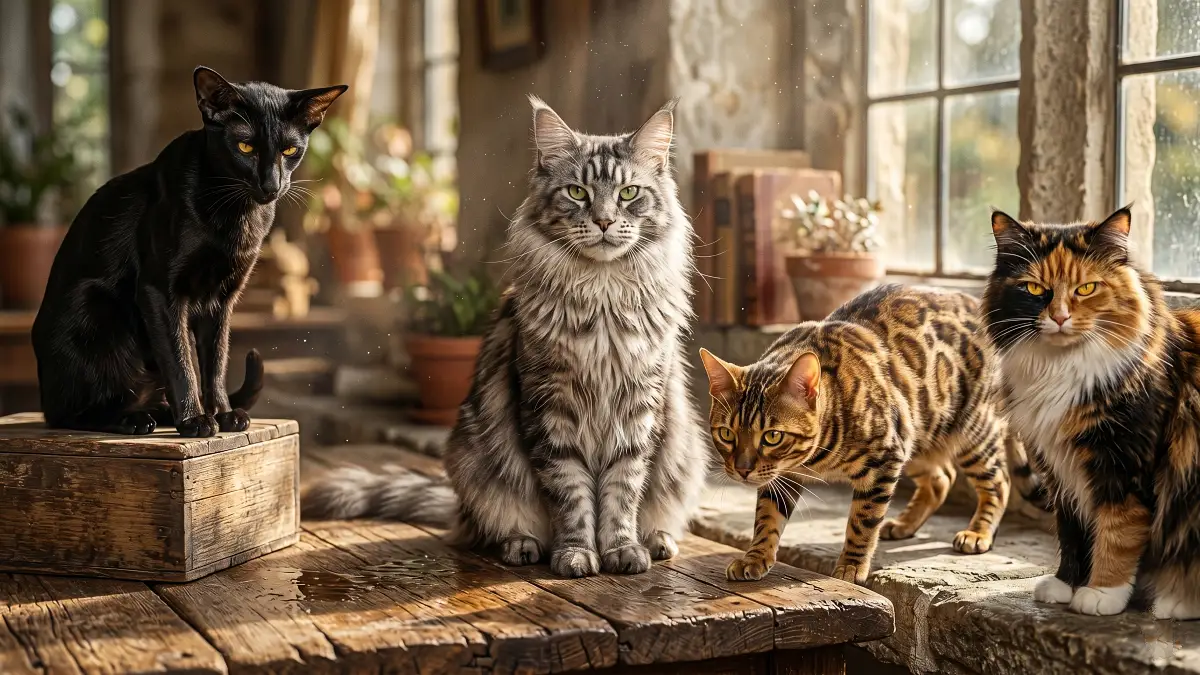
12 Meanest Cat Breeds
From what I’ve seen, labeling cats as “mean” is often misleading. In most cases, their behavior comes from fear, stress, or lack of proper interaction early on. In this article, I break down 12 cat breeds that are often called aggressive and explain the real reasons behind their behavior.
I also share practical insights, backed by behavior data and real-life handling experience, so you can better understand what triggers these reactions. Studies show that nearly 60–70% of aggressive cat behavior is linked to environment and early socialization, not breed alone.
Key Takeaways
- “Mean” behavior is usually fear or stress-driven
- Early socialization reduces aggression long term
- High-energy breeds need daily stimulation
- Grooming discomfort often triggers irritability
- Matching lifestyle with breed temperament is critical
Understanding High-Intensity Feline Temperaments
I’ve worked with cats that require more structured handling, and the difference usually comes down to temperament. Some breeds naturally demand more attention to behavior management.
Genetic Predispositions
In my experience, certain breeds are naturally more territorial or dominant. This doesn’t mean they’re aggressive by default, but they react faster when boundaries are crossed.
Socialization Requirements
I’ve seen clear differences between cats raised with human interaction and those without it. Kittens handled regularly between 2–7 weeks tend to grow into calmer adults.
Environmental Enrichment
Boredom is one of the biggest triggers I’ve noticed. Adding climbing trees, toys, and daily play sessions (15–20 minutes) reduces aggressive tendencies significantly.
Experienced Ownership
Handling these cats requires consistency. I’ve found that calm, predictable behavior from owners helps reduce defensive reactions over time.
1. British Shorthair
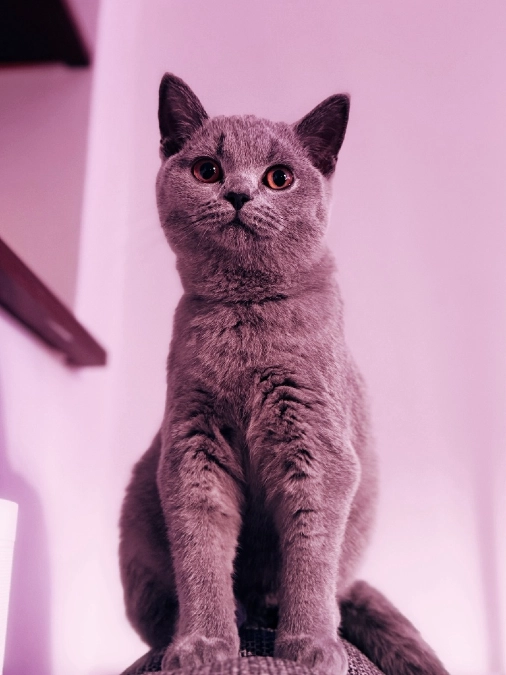
From my observation, British Shorthairs are not overly aggressive but highly independent. They don’t like constant attention and may react if handled too much.
They do best in quiet homes. I always recommend giving them space and letting them approach you on their own terms.
2. Chartreux
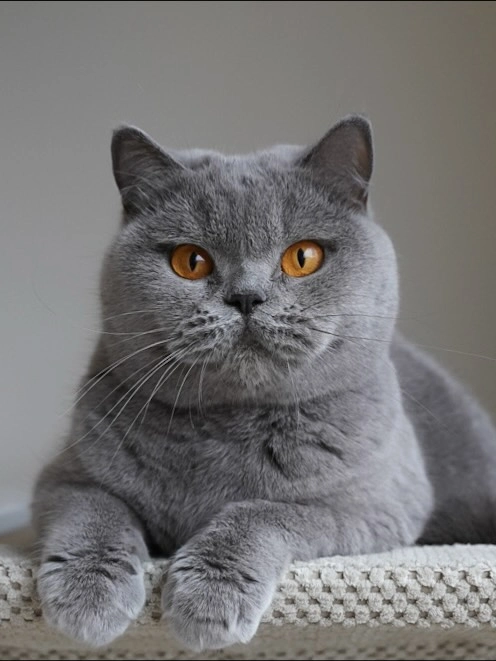
I’ve found this breed to be quiet and reserved. They observe more than they engage, and they dislike sudden interaction.
Respecting their space builds trust. Pushing interaction too early often leads to defensive behavior.
3. Persian Cat
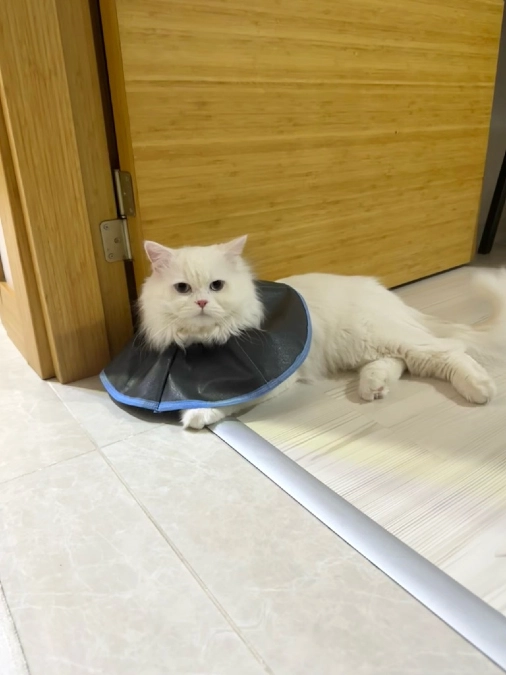
Persians often appear grumpy, but I’ve noticed it’s usually due to discomfort. Their long fur tangles easily, which can cause irritation.
Regular grooming is essential. Poor coat maintenance can increase irritability significantly due to skin sensitivity.
4. Maine Coon
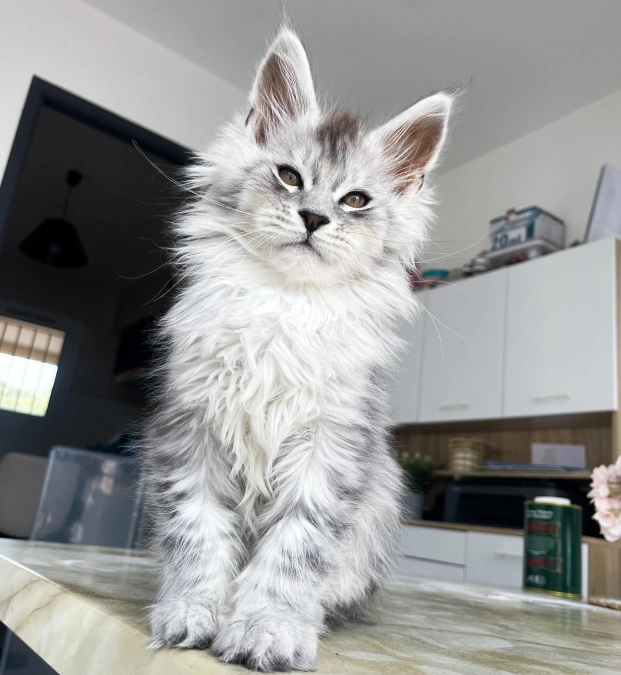
Maine Coons are large and energetic. I’ve seen them become destructive when their energy isn’t managed properly.
Daily activity is key. I suggest interactive toys and climbing areas to keep them engaged and prevent frustration.
5. Calico Cat
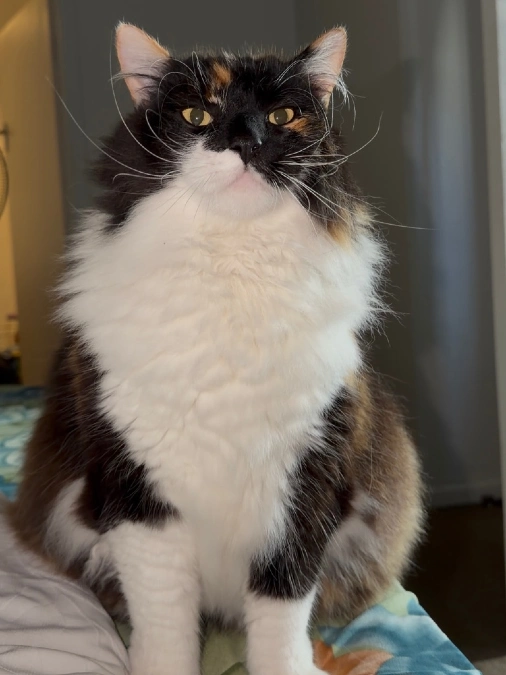
Calico cats have a reputation for being unpredictable, and in my experience, they can be strong-willed.
However, consistent training works. Positive reinforcement helps manage their bold behavior effectively.
6. Black Persian
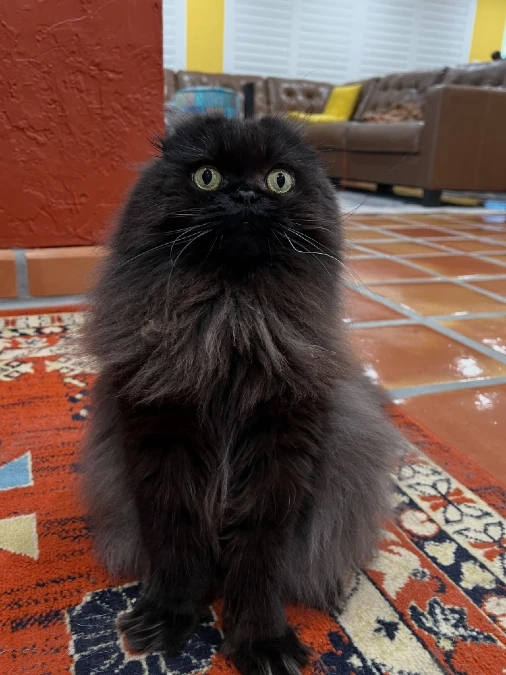
This breed tends to react during grooming if not handled carefully. I’ve seen them become defensive when their skin feels pulled.
Short grooming sessions and gentle tools make a noticeable difference in their behavior.
7. British Longhair
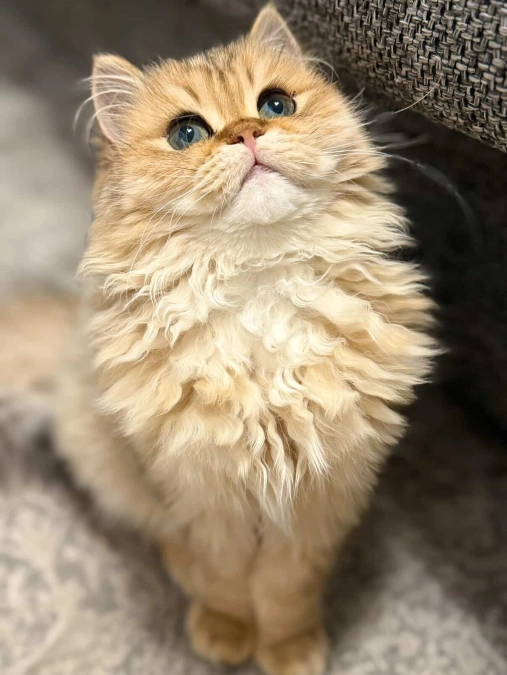
British Longhairs are stubborn rather than aggressive. I’ve noticed they resist being handled when they don’t want to be.
Giving them control over interaction helps reduce negative reactions quickly.
8. Tortoiseshell Kitten
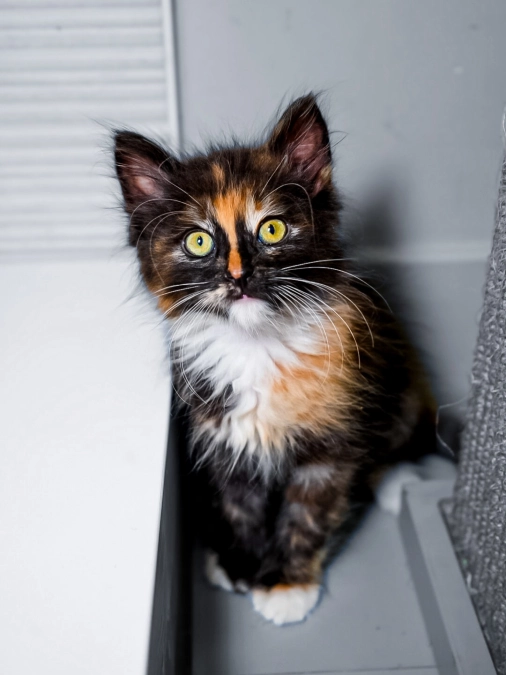
Tortoiseshell kittens are highly sensitive. I’ve seen them react quickly to noise or sudden movement.
Early gentle handling is critical. It helps them build trust and reduces fear-based reactions later.
9. Bengal Cat
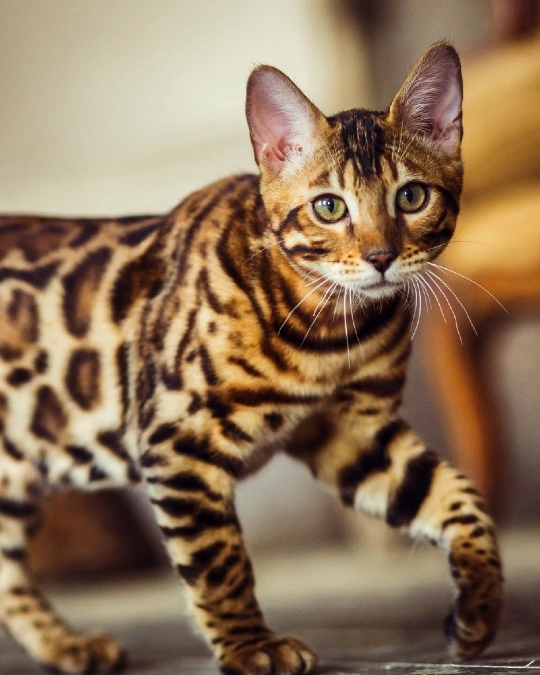
Bengals are one of the most demanding breeds I’ve worked with. Their high energy and strong instincts require constant stimulation.
Without activity, they can develop aggressive behavior. Ideally, they need 30+ minutes of daily play and mental challenges.
10. Blue Persian
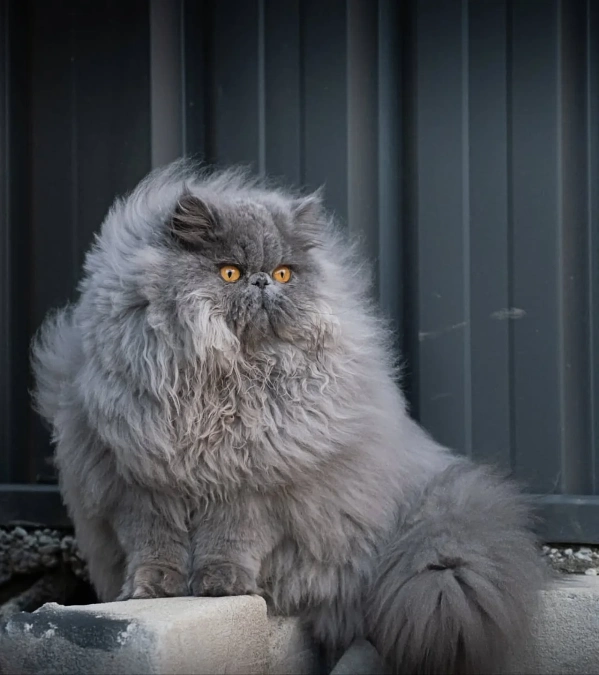
Like other Persian types, Blue Persians require heavy grooming. I’ve seen mood changes directly linked to coat condition.
Daily brushing prevents discomfort and helps maintain a calm temperament.
11. Black Maine Coon
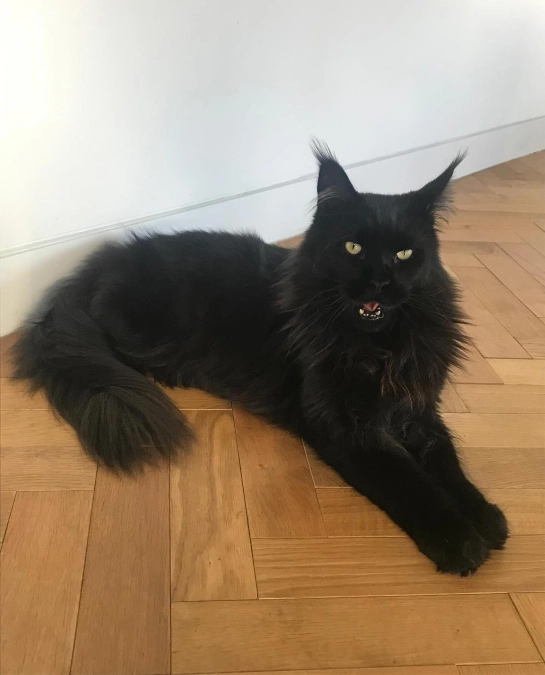
These cats are powerful due to their size. I’ve noticed aggression mostly appears when they feel threatened or stressed.
Keeping a calm environment and avoiding sudden handling helps maintain control over their behavior.
12. Exotic Longhair
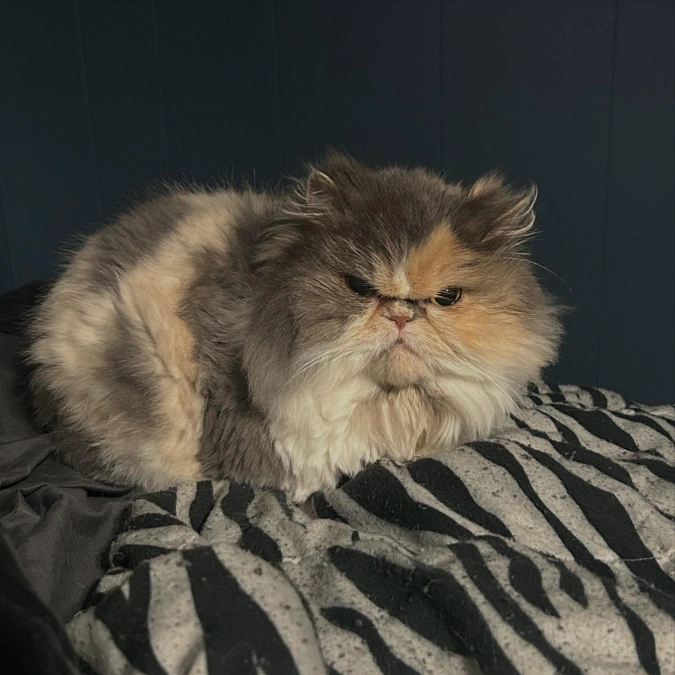
Exotic Longhairs tend to show frustration through withdrawal rather than direct aggression.
Proper facial care is important. Cleaning their folds regularly prevents irritation and improves their mood.
Final Thoughts
From everything I’ve observed, most so-called “mean” cats are reacting to their environment rather than acting out randomly.
The biggest mistake I see people make is choosing a breed without understanding its needs. When you match the right cat with the right lifestyle, behavior problems drop significantly.
All content on this site is written and reviewed by our experienced team to ensure it is accurate, reliable, and helpful for our readers. Our Our Process page explains how we carefully research and create high-quality content, while our Team page introduces the professionals behind our work. We also provide clear guidelines for content or image concerns on our Image Removal page, so you can trust that we prioritize transparency, quality, and reader safety.