Purrfect Health: Homemade Cat Food with Probiotics for Happy Tummies
Cats: adorable, fluffy, and often equipped with a stomach as sensitive as their ego. Over the years, I’ve learned that a happy cat gut often equals a happy cat life. If your feline friend struggles with digestion or you simply want to boost their gut health, this homemade probiotic meal is a lifesaver. Plus, it’s easy enough that anyone can make it—and your cat will probably reward you with an approving meow.
Key Takeaways
- Probiotics help maintain a healthy balance of gut bacteria for digestion and immunity.
- High-quality protein (like chicken) is essential for cats’ muscles and overall health.
- Fiber-rich vegetables, like sweet potatoes and carrots, support digestive health.
- Meals must be unseasoned and served at room temperature.
- Homemade probiotic meals are best served a few times a week as a supplement, not as a complete diet.
Why Probiotics Are a Game-Changer for Cats
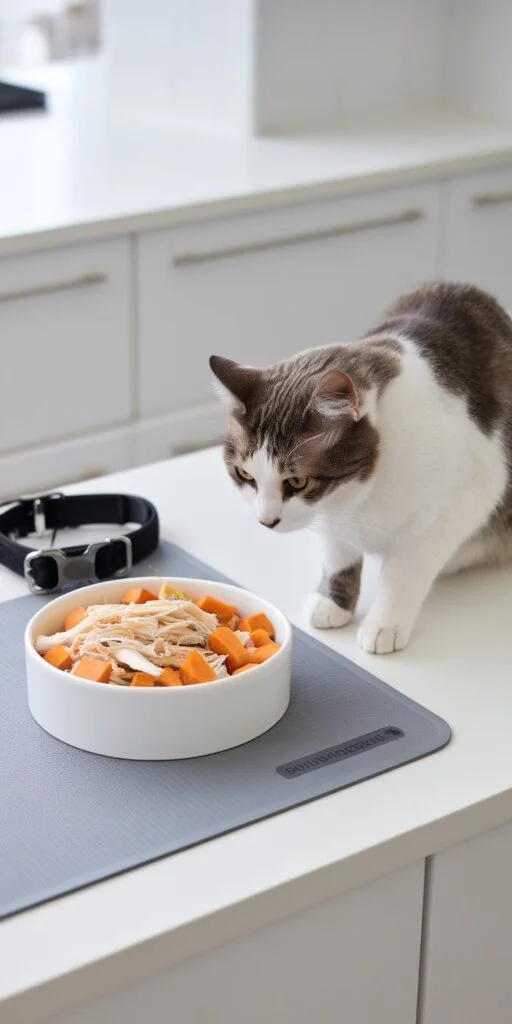
I’ve seen first-hand how probiotics transform a cat’s digestive health. Cats, like humans, benefit from good gut bacteria—they aid digestion, reduce bloating, and even strengthen immunity. A few months of incorporating probiotic-rich meals in my cats’ diet noticeably reduced digestive upsets, and their coats became shinier.
What makes this meal so effective:
- Better digestion: Fewer surprises on the carpet at midnight.
- Boosted immunity: A healthy gut supports overall immune function.
- Shiny coats and happy purrs: Improved nutrient absorption shows in their coat and energy levels.
Think of it as a feline-friendly gut smoothie—without the kale fiasco.
Ingredients for This Probiotic-Packed Cat Meal
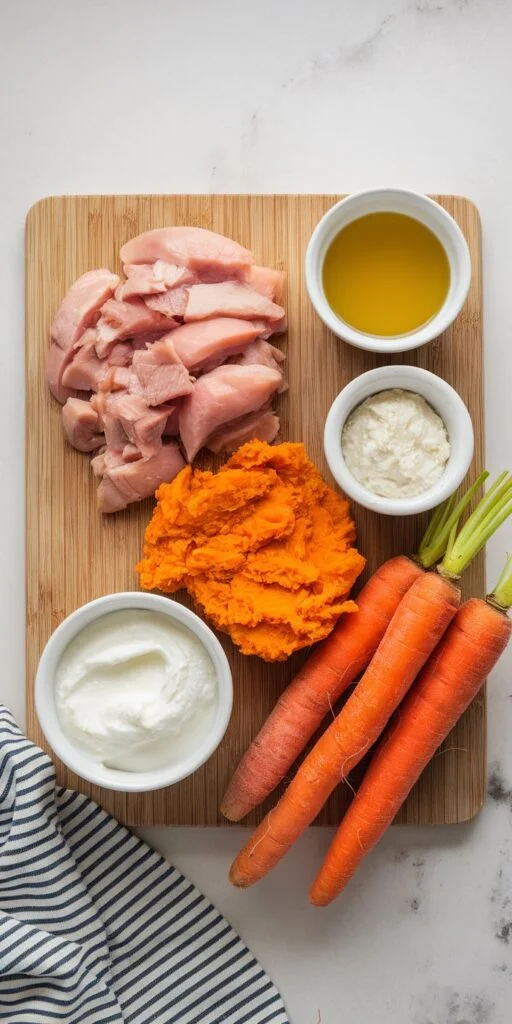
You won’t need a cart full of fancy ingredients. Here’s what I keep on hand:
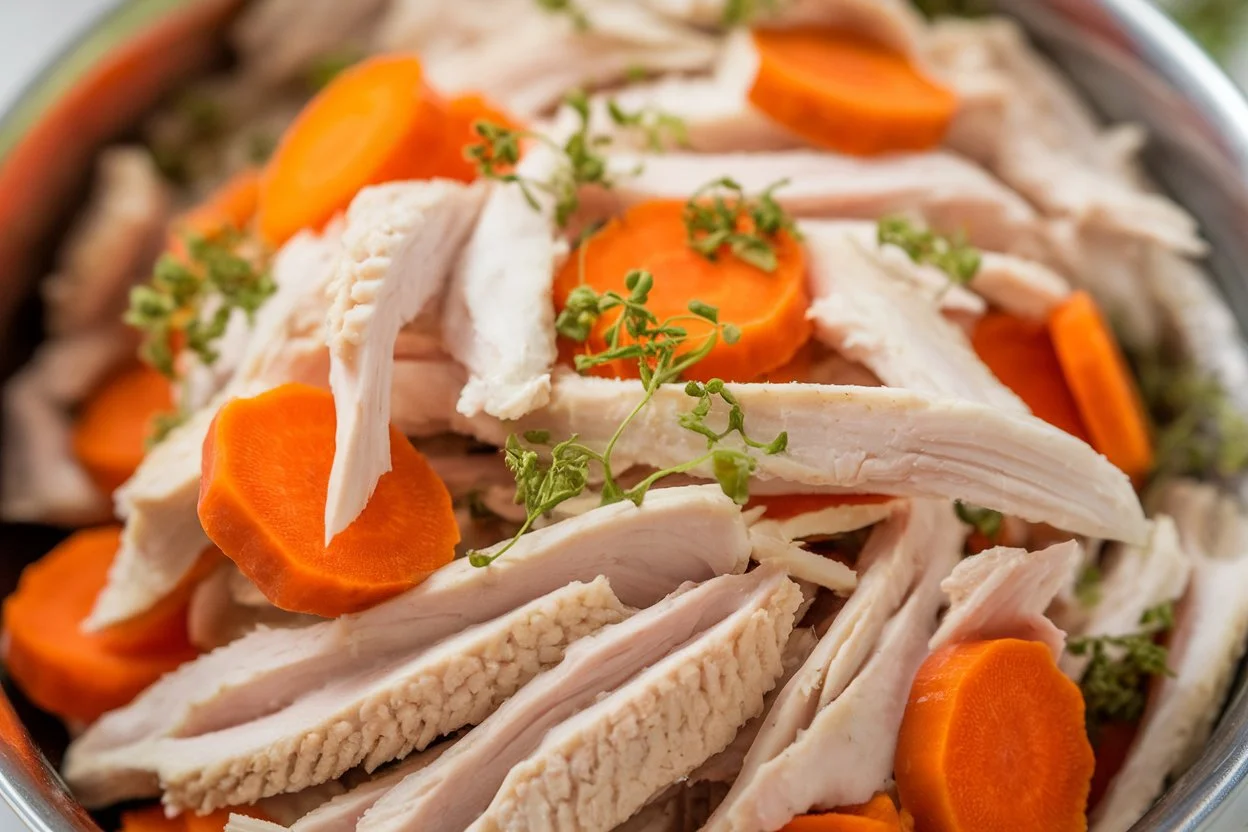
- ½ pound cooked chicken, shredded (lean protein cats adore)
- ¼ cup plain, unsweetened Greek yogurt (probiotic powerhouse)
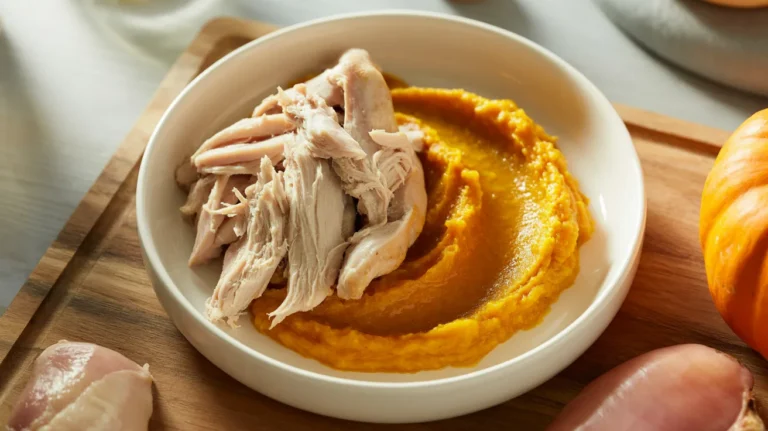
- ¼ cup cooked and mashed sweet potatoes (fiber for digestion)
- ¼ cup cooked carrots, finely chopped (vitamins + natural sweetness)
- 1 tablespoon olive oil or fish oil (healthy fats for coat and skin)
- 1 egg yolk, cooked (extra nutrients and healthy fats)
Optional but recommended:
- A pinch of catnip (because who doesn’t like a treat?)
- A small splash of bone broth (adds flavor and joint support)
Step-by-Step: How to Make This Probiotic Mea
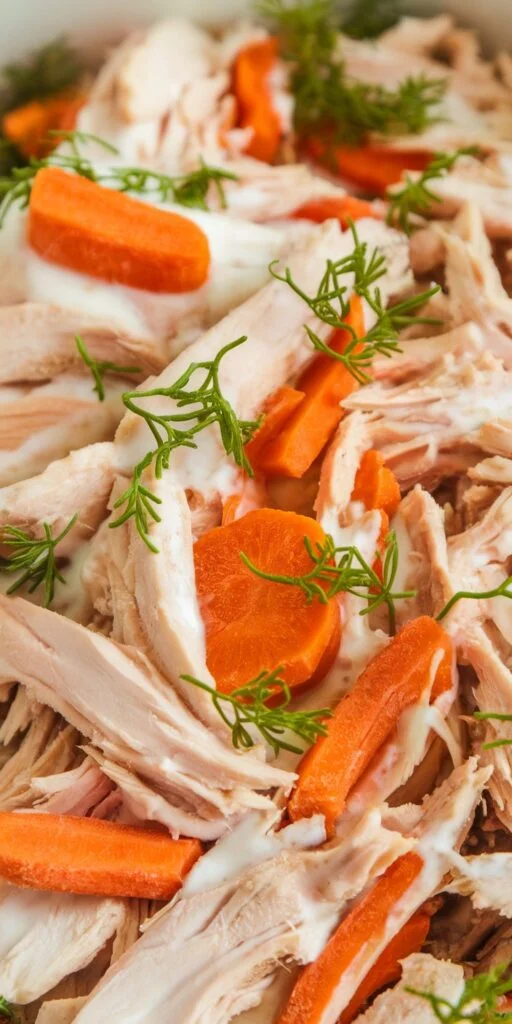
Step 1: Cook and Prep the Ingredients
Cook the chicken thoroughly—boil or bake, no seasoning needed. Shred it into bite-sized pieces. While it cools, cook and mash the sweet potatoes, and finely chop the carrots. I always make sure everything is cool enough for safe handling and serving.
Step 2: Combine the Base Ingredients
Mix the shredded chicken, sweet potatoes, carrots, and cooked egg yolk in a bowl. The aroma will be tempting for humans, but resist the urge—this is feline cuisine.
Step 3: Add the Probiotic Power
Stir in the plain Greek yogurt, coating everything evenly. Pro tip: don’t add it to hot food—you’ll kill the probiotics. Always mix once the ingredients are cooled.
Step 4: Mix in the Oils and Optional Add-Ins
Drizzle olive or fish oil over the mixture and give it another stir. Add a pinch of catnip or a splash of bone broth if you want to get fancy—they’ll notice.
Step 5: Serve or Store
Serve at room temperature. Leftovers store in an airtight container in the fridge for up to 3 days. I often freeze individual portions for quick meals, thawing overnight in the fridge before serving.
Variations to Keep Things Fresh
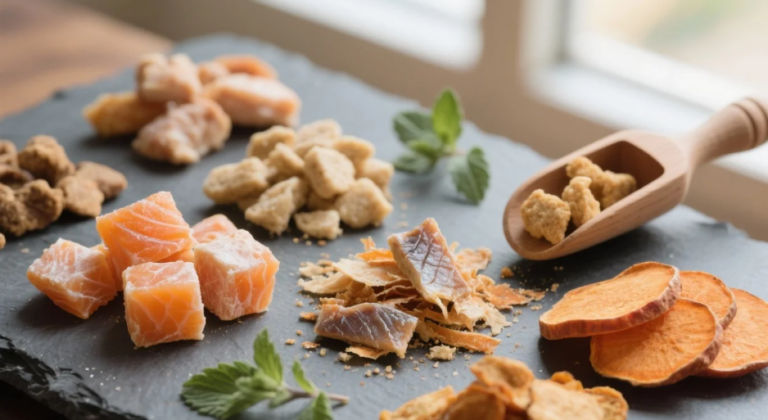
- Swap chicken for salmon or turkey for variety.
- Use pumpkin puree instead of sweet potatoes for different fiber benefits.
- Add finely chopped, cooked spinach or kale for extra nutrients.
- Try kefir instead of Greek yogurt for a tangier probiotic option.
Common Mistakes to Avoid
- Flavored or sweetened yogurt: Only plain, unsweetened yogurt is safe.
- Overfeeding: This meal is nutrient-dense; portion carefully to prevent weight gain.
- Garlic or onions: Toxic to cats. Avoid entirely.
- Ignoring allergies: Always check ingredients against your cat’s sensitivities.
FAQs: Everything You Need to Know About Probiotic Cat Food
Q: Can I make this in bulk and freeze it?
A: Yes! Freeze individual portions in airtight containers for up to a month. Thaw overnight in the fridge.
Q: How often can I feed this to my cat?
A: A few times a week is ideal. For complete diet replacement, consult your vet to ensure nutrient balance.
Q: My cat is lactose intolerant. Can I still use probiotics?
A: Yes! Use cat-friendly probiotic powders or kefir made specifically for pets.
Q: Is fish oil or olive oil better?
A: Both are excellent. Fish oil adds omega-3 fatty acids for skin, coat, and joint support.
Q: Can kittens eat this?
A: Yes, but in smaller portions. Kittens may need additional nutrients for growth.
Q: What if my cat turns up their nose?
A: Slightly warming the food or adding a splash of tuna juice can help. If needed, mix with a bit of regular cat food to ease them in.
Q: Can I add supplements to this meal?
A: Absolutely. Taurine, omega-3 oils, and probiotics can be beneficial. Always check with your vet for proper dosages.
Final Thoughts: A Happy Gut Makes for a Happy Cat
From years of experience, I can confidently say that feeding your cat a probiotic-rich homemade meal is more than just tummy support—it’s a love language. Better digestion, more energy, and fewer vet visits are the happy side effects of a healthy gut.
Give this recipe a try, and watch your cat purr with approval. Just don’t be surprised if they start expecting gourmet meals every day—they’ve got high standards, after all.