7 Tips to Train Your Puppy Not to Pull on a Leash
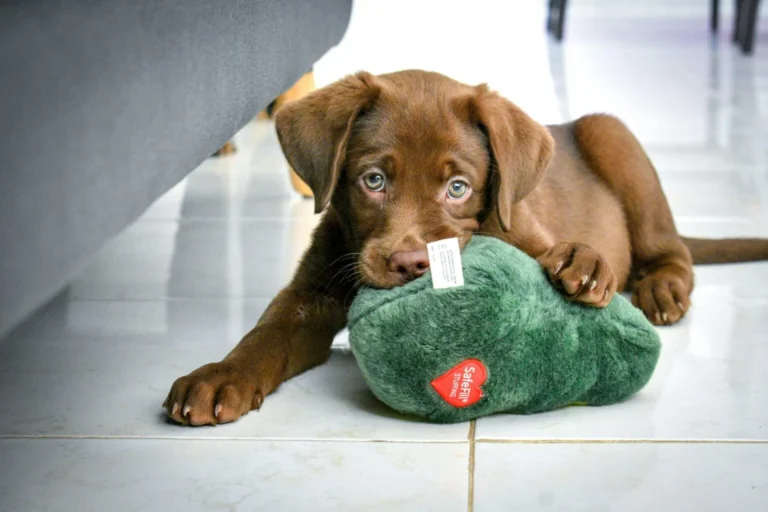
So, you’ve finally decided to welcome a puppy into your life. Congratulations! There’s nothing quite like the joy, love, and endless energy a little furball brings into your home. But let’s be honest—along with the cuddles and excitement, puppies can create quite a bit of chaos. Your house, which once felt organized and calm, is about to become a playground full of tiny paws, curious noses, and playful teeth.
Unless you’re prepared to deal with chewed-up shoes, shredded cushions, or the occasional accident in inconvenient places, it’s important to puppy-proof your home before your little one starts exploring. The good news is, with a few practical steps, you can keep your home safe, protect your belongings, and help your puppy feel secure without losing your sanity—or your favorite sneakers.
Get Down to Their Level (Literally)
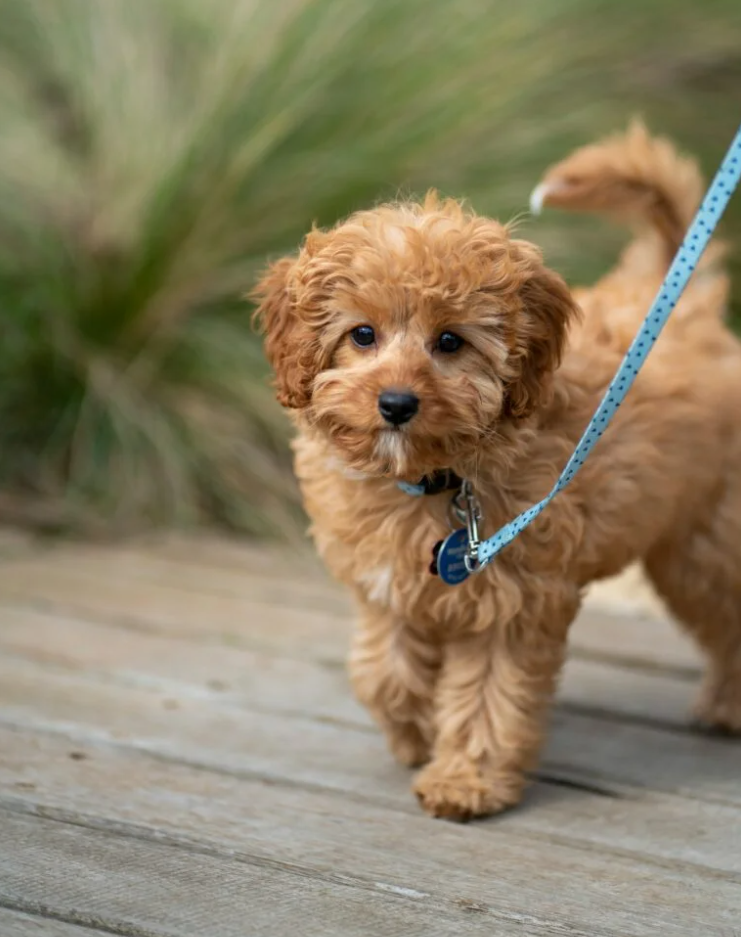
Ever wondered what your home looks like from your puppy’s perspective? From their point of view, everything is a potential adventure. Loose wires look like a fun spaghetti snack. Dangling objects turn into irresistible toys. Even random items on the floor become tempting chewables.
The best way to spot potential hazards is to get down on your hands and knees. Crawl around like your puppy would and take note of anything within their reach. You’ll start noticing things you might never consider dangerous from your human perspective—small objects, cords, shoes, and even houseplants can all pose risks.
Some plants are actually toxic to dogs, such as lilies or aloe vera. Puppies love to explore with their mouths, and a curious bite could lead to a serious vet bill. Getting down to their level isn’t just about spotting danger—it’s about understanding your puppy’s world so you can protect them effectively.
Hide the Chewables
If you think your charging cables and earbuds are safe on a low table or counter, think again. Puppies see cords and small items as irresistible chewing opportunities. Not only can this damage your belongings, but it can also be dangerous for your puppy if they swallow something they shouldn’t.
You can make a huge difference by taking a few simple precautions. Hide or secure cords with protective tubing or tape them against walls and furniture. Keep chargers unplugged and put away when not in use. Store headphones, jewelry, and small household items in drawers or containers that your puppy can’t access.
These steps are surprisingly effective. It’s far cheaper and safer to prevent destruction than to replace items or deal with an emergency vet visit. Puppies are naturally curious, and the fewer temptations they encounter, the safer your home—and your belongings—will be.
Lock It Up
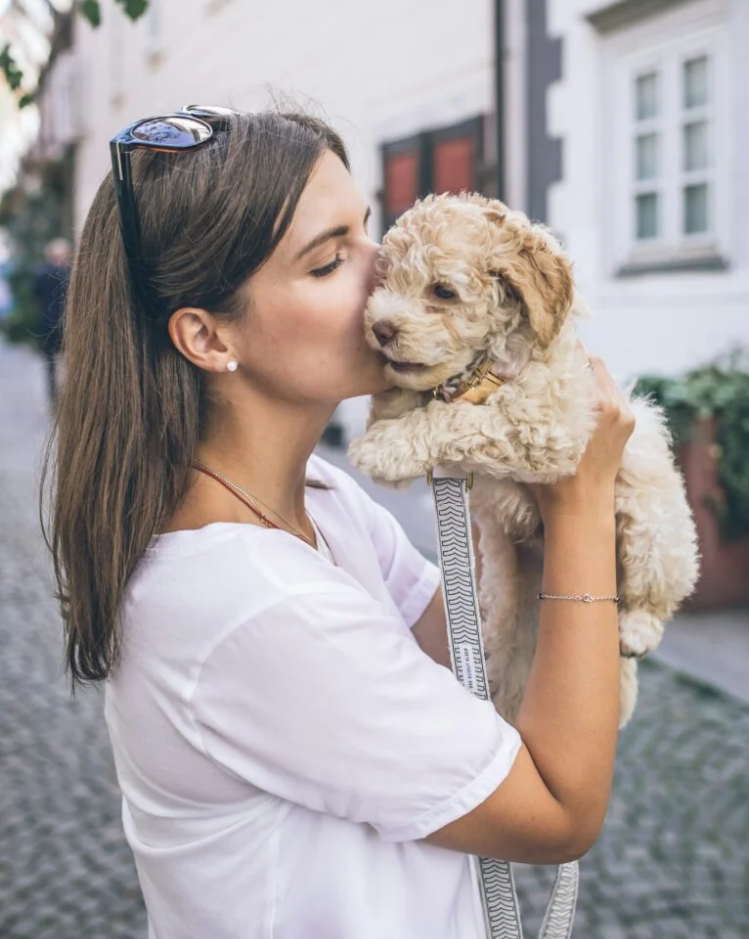
Puppies are tiny little Houdinis. If a cabinet or drawer isn’t securely closed, they will figure out a way to open it. And when they do, the rewards are often exciting for them but terrifying for us. Cleaning supplies, medications, trash cans, and even snacks can become hazardous or messy in a split second.
The solution is simple: childproof locks on lower cabinets and drawers. These locks are a lifesaver when it comes to keeping dangerous items out of reach. Puppies are incredibly determined, and they will explore every gap or crevice they can find. Once you install these locks, you’ll have peace of mind knowing that harmful chemicals, medications, and other risky items are securely tucked away.
Create Safe Spaces
While puppy-proofing the entire house is important, puppies also need a space that’s entirely their own—a safe zone where they can relax and feel secure. This can be a crate, playpen, or a designated puppy-proofed room.
Crates are especially helpful. Puppies naturally seek den-like spaces where they can rest and feel protected. When introduced correctly, a crate can prevent accidents, reduce anxiety, and make it easier to manage their behavior. Make sure the space has comfortable bedding, toys, and water. It’s not meant to be a punishment but a cozy retreat where your puppy can safely hang out when you’re busy or asleep.
Remove Temptations
Puppies are curious by nature. Anything that smells or looks interesting can quickly become a target for chewing or licking. Keep your home safe by removing tempting items from their reach. This includes shoes, small decorations, electrical cords, and anything that can break or be swallowed.
Think about the items you encounter every day and how accessible they are to a puppy. If it’s at their nose level, chances are they’ll investigate it. By proactively moving or securing items, you’re reducing the risk of accidents and damage while giving your puppy a safe environment to explore.
Supervise and Train Early
Even with all the puppy-proofing in the world, nothing replaces supervision and early training. Puppies need guidance to learn what’s allowed and what isn’t. Keep an eye on them, redirect their attention when they start chewing or exploring forbidden items, and reward positive behavior consistently.
Training doesn’t need to be complicated. Simple commands like “leave it” or “come” can make a huge difference in preventing accidents and ensuring your puppy grows into a well-behaved adult dog. Pair supervision with a safe space and preventive measures, and you’ll notice a calmer, happier, and safer household.
Conclusion of Tips to Train Your Puppy Not to Pull on a Leash
Finally, remember that accidents are part of puppyhood. Even with all the planning in the world, your puppy might have a slip-up or two while learning where it’s appropriate to go potty. Be patient and ready with cleaning supplies that are safe for pets.
Celebrate the small wins and stay consistent with routines. Puppies thrive on predictability, and over time, they’ll understand what’s expected of them. The goal isn’t perfection—it’s creating a safe, structured environment where your puppy can grow, explore, and thrive without constant mishaps.