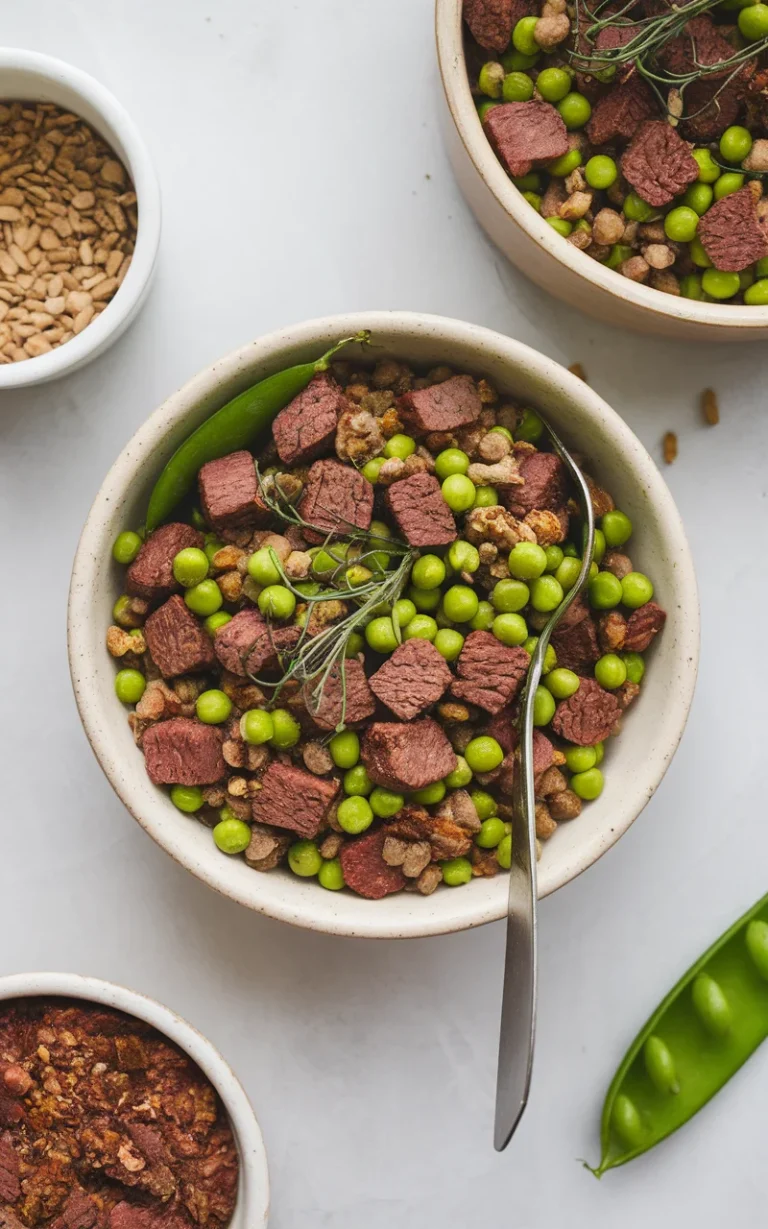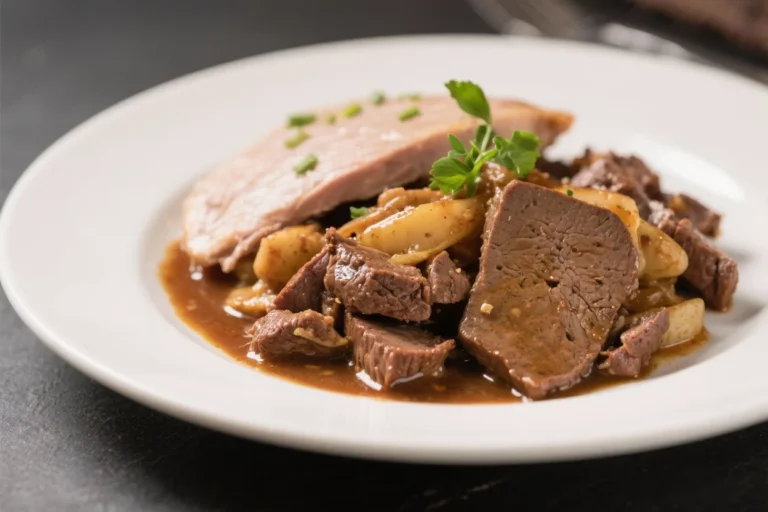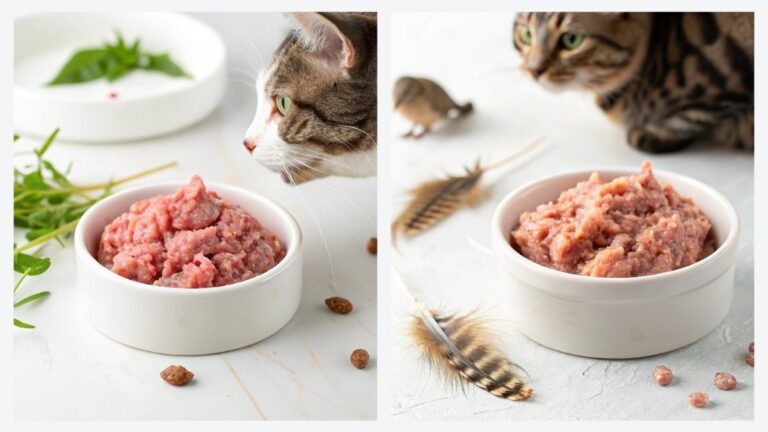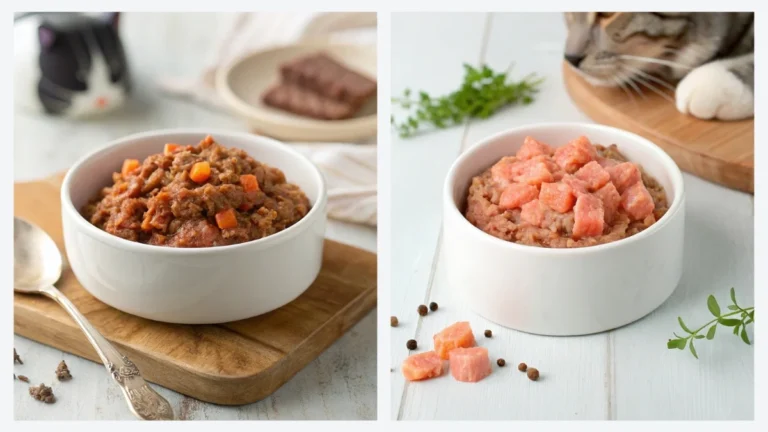
Beef Liver and Rabbit Cat Food – A Simple, Nutritious Homemade Recipe
Making Beef Liver and Rabbit Cat Food at home has been one of the best changes I’ve made for my cats. After trying different protein sources over the years, I found that rabbit is gentle on sensitive stomachs, while beef liver adds valuable nutrients that help keep my cats active and healthy.
I also noticed that homemade meals let me control ingredient quality and avoid unnecessary fillers found in many commercial foods. With the right balance of meat, organs, healthy fats, and supplements, this recipe has become a dependable part of my feeding routine.
Save For later
Key Takeaways
- Rabbit is a lean, highly digestible protein that helps support healthy muscles.
- Beef liver provides essential vitamins, minerals, and natural taurine.
- Adding heart meat or extra taurine helps meet a cat’s nutritional needs.
- Salmon oil supplies beneficial omega-3 fatty acids for skin and coat health.
- Calcium is necessary to properly balance homemade meat-based recipes.
- Correct storage and meal portions help keep homemade food fresh and safe.
Pro Tip
One lesson I learned is to never rely only on muscle meat when making homemade cat food. I always include organ meat in the proper amount and measure supplements instead of guessing. After mixing everything together, I divide the food into daily servings before freezing. This keeps every portion balanced and saves time during busy weeks. I also thaw meals overnight in the refrigerator instead of leaving them on the counter, which helps maintain freshness and food safety.
Other Posts
- Ground Beef and Turkey Cat Food Recipe for Balanced Homemade Meals
- Beef Mince and Spinach Cat Food Recipe for Healthy Daily Nutrition
- Easy Ground Beef Cat Food Recipes Every Cat Owner Should Try
What Makes This Recipe So Good
High-quality protein: In my experience, rabbit is gentle on sensitive stomachs and highly digestible. Coupled with beef liver, it provides a complete amino acid profile that keeps cats strong and active.
Naturally nutrient-dense: Liver is loaded with vitamin A, B vitamins, iron, copper, and taurine. I’ve observed that cats eating this regularly maintain bright eyes, healthy skin, and steady energy levels.
Great for picky eaters: The aroma of liver and mild rabbit meat often convinces even the fussiest cats to eat. I’ve tested this with multiple cats over the years, and it consistently works.
Simple ingredients: No fillers, artificial additives, or mystery ingredients—just clean, natural food.
Flexible texture: You can serve it minced, ground, or puréed depending on your cat’s preferences. For older cats or those with dental issues, I typically blend it smooth.
Shopping List
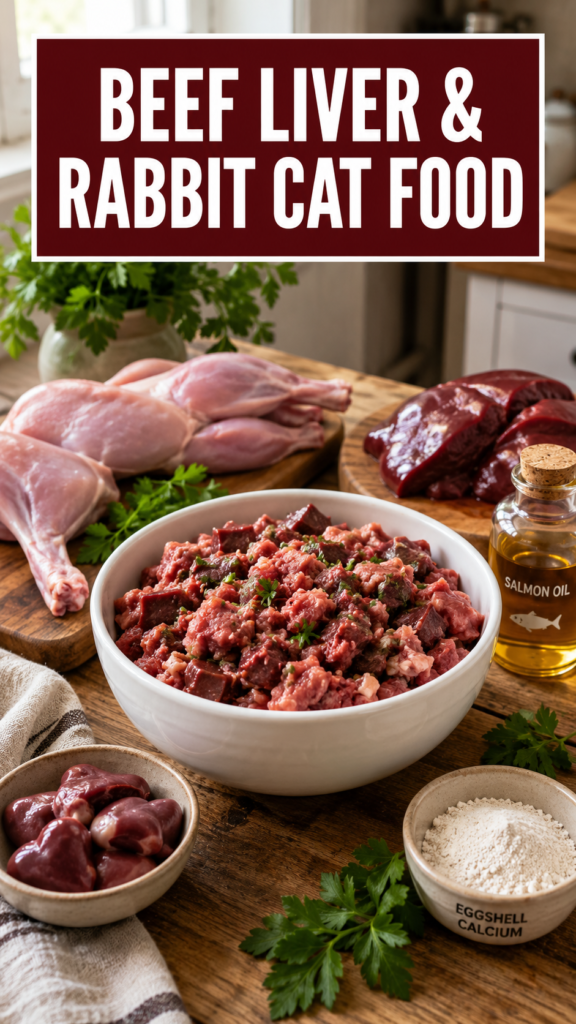
- Fresh rabbit meat (boneless), about 1.5 pounds
- Fresh beef liver, 4–6 ounces (do not exceed 10% of total recipe by weight)
- Chicken heart or beef heart, 6–8 ounces (taurine-rich; optional but recommended)
- Egg yolks, 2 large (lightly cooked)
- Salmon oil, 1–2 teaspoons (for omega-3s)
- Unsalted, onion-free bone broth, 1/2–3/4 cup
- Plain pumpkin purée, 1–2 tablespoons (fiber; optional)
- Taurine supplement powder, 500–1,000 mg (if no heart meat)
- Calcium source: finely ground eggshell powder (1 teaspoon) or vet-approved supplement
- Vitamin E supplement (optional, per label instructions)
- Water, as needed
Step-by-Step Instructions
Prep your tools: I always start by sanitizing cutting boards, knives, and mixing bowls. A food processor or meat grinder is helpful if your cat prefers smooth textures. Wash hands before and after handling raw meat.
Trim the rabbit: Cut the boneless rabbit into manageable chunks. For bone-in rabbit, carefully remove bones and save them for broth. Never include cooked bones in the food.
Portion the liver: Measure 4–6 ounces of beef liver. From my experience, exceeding 10% can cause vitamin A toxicity.
Prepare the heart: Slice chicken or beef heart into small pieces. If skipping heart, plan to add taurine supplement.
Lightly cook (optional): For cats sensitive to raw meat, gently poach rabbit and heart until just cooked.
Lightly sear the liver: 30–60 seconds per side to maintain nutrients and moisture.
Cook the egg yolks: Soft-scramble or lightly poach until just set. I’ve noticed lightly cooking yolks reduces food safety risks while still providing nutrients.
Combine ingredients: Mix rabbit, liver, heart, and egg yolks in a large bowl.
Add liquids and supplements: Mix in salmon oil, bone broth, pumpkin purée (if using), calcium, and taurine (if no heart). Add vitamin E if desired.
Adjust texture: Pulse in a food processor to achieve chunky, minced, or smooth consistency. Add a splash of water or broth if needed.
Portion: Divide daily servings based on 2–4% of your cat’s body weight, split into two meals. Adjust for age, activity, and body condition.
Chill promptly: Refrigerate portions for up to 2–3 days; freeze the remainder.
How to Store
Refrigerator: Airtight containers, 48–72 hours.
Freezer: Up to 2–3 months. Label with date.
Thawing: Overnight in the fridge. Do not leave raw food out longer than 30 minutes.
Serving temperature: Slightly chilled or room temperature. Avoid microwaving, which can create hot spots and reduce nutrients.
Why This is Good for You
Animal-based nutrition is essential for cats. Rabbit provides lean protein, while beef liver adds concentrated vitamins and minerals. Taurine supports heart, vision, and reproduction. Omega-3s keep joints healthy and coats glossy. Calcium balances phosphorus from meat and organs. Over a decade of feeding this way, I’ve seen cats maintain ideal weight, energy, and healthy urinary systems.
Common Mistakes to Avoid
Too much liver: Keep under 10% of total recipe.
Skipping calcium: Meat alone is high in phosphorus.
Not adding taurine: Cooking reduces taurine; supplement if not using heart.
Seasoning the food: No salt, onion, garlic, spices, or herbs.
Poor hygiene: Always clean surfaces, utensils, and hands.
Inconsistent portions: Monitor weight and energy, adjust accordingly.
Recipe Variations
Rabbit-only base: Substitute chicken liver for beef liver if needed, keeping liver under 10%.
Texture tweaks: Half minced, half puréed works for cats preferring soft but chewable meals.
Hydration boost: Add extra bone broth or water.
Allergy-friendly: Use duck or turkey heart instead of chicken.
Supplement blend: Consult your vet to cover micronutrient gaps, especially for long-term feeding.
FAQ
Can I feed this completely raw?
Yes, if ingredients are handled safely and nutrients are balanced. For weaker immune systems, lightly cook meats.
How much should I feed per day?
2–4% of body weight, split into two meals. A 10-pound cat would eat roughly 3–6 ounces per day. Adjust based on weight, appetite, and energy.
Do I have to add calcium if I’m not using bone?
Yes, essential for bones and kidneys.
Is beef liver safe every day?
Yes, within 5–10% of total diet.
What if I can’t find rabbit?
Turkey thigh, chicken thigh, or lean pork works. Maintain ratios of heart, liver, taurine, and calcium.
Can I freeze this in small portions?
Yes, silicone trays or small containers work well.
Do I still need a multivitamin?
A feline-specific supplement helps cover nutrient gaps.
Is fish oil necessary?
Yes, supports skin, coat, and joint health. Alternatives include krill oil or small sardine portions.
Final Thoughts
Over 10 years, I’ve learned that homemade cat food, when prepared carefully, is highly beneficial. This Beef Liver and Rabbit Cat Food is nutrient-rich, simple, and practical. Start slow, observe your cat, and maintain communication with your vet. With this approach, your cats can enjoy healthy, happy, and thriving lives.
All content on this site is written and reviewed by our experienced team to ensure it is accurate, reliable, and helpful for our readers. Our Our Process page explains how we carefully research and create high-quality content, while our Team page introduces the professionals behind our work. We also provide clear guidelines for content or image concerns on our Image Removal page, so you can trust that we prioritize transparency, quality, and reader safety.