8 Poodle Puppy Training Tips For Smart, Quick Learners
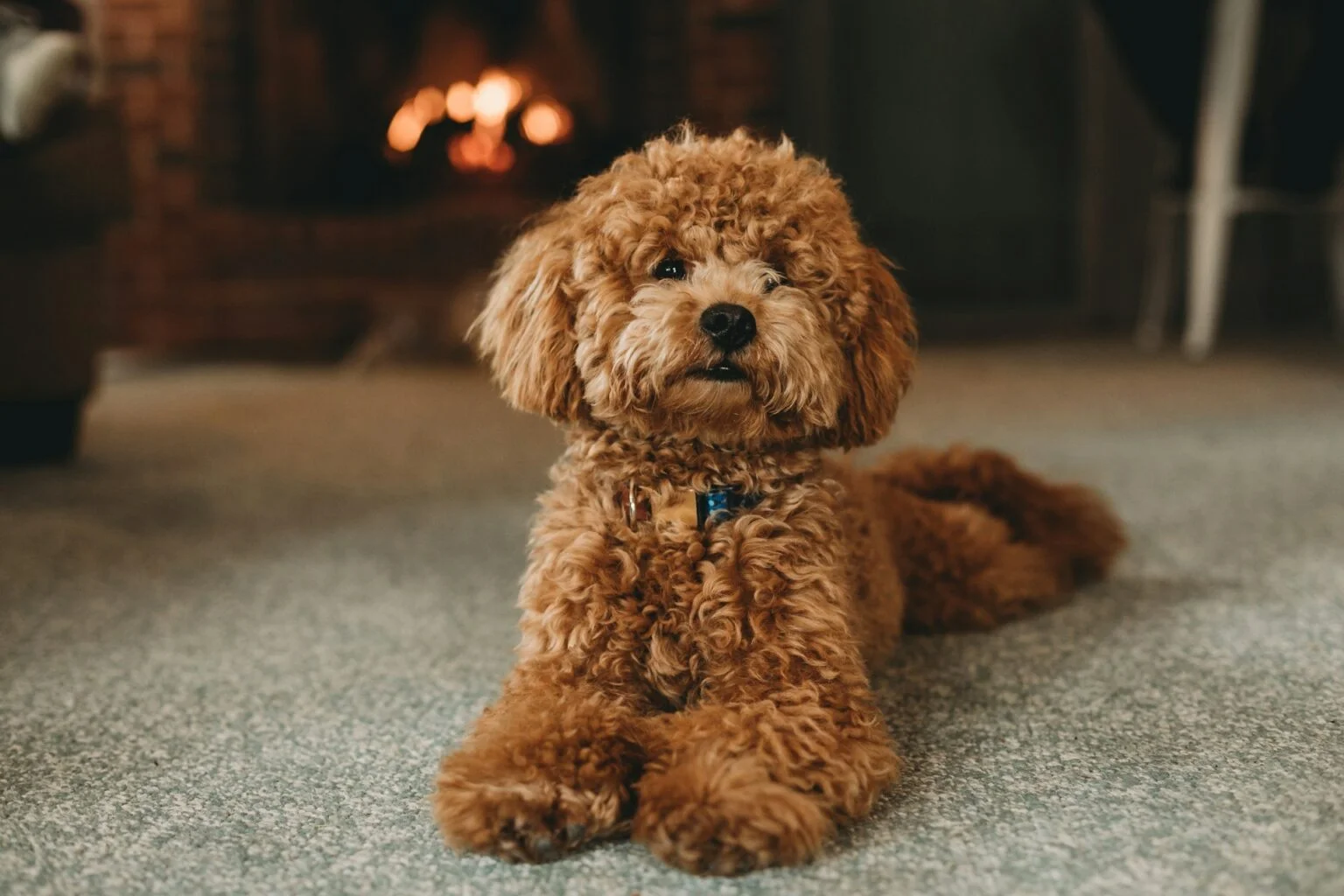
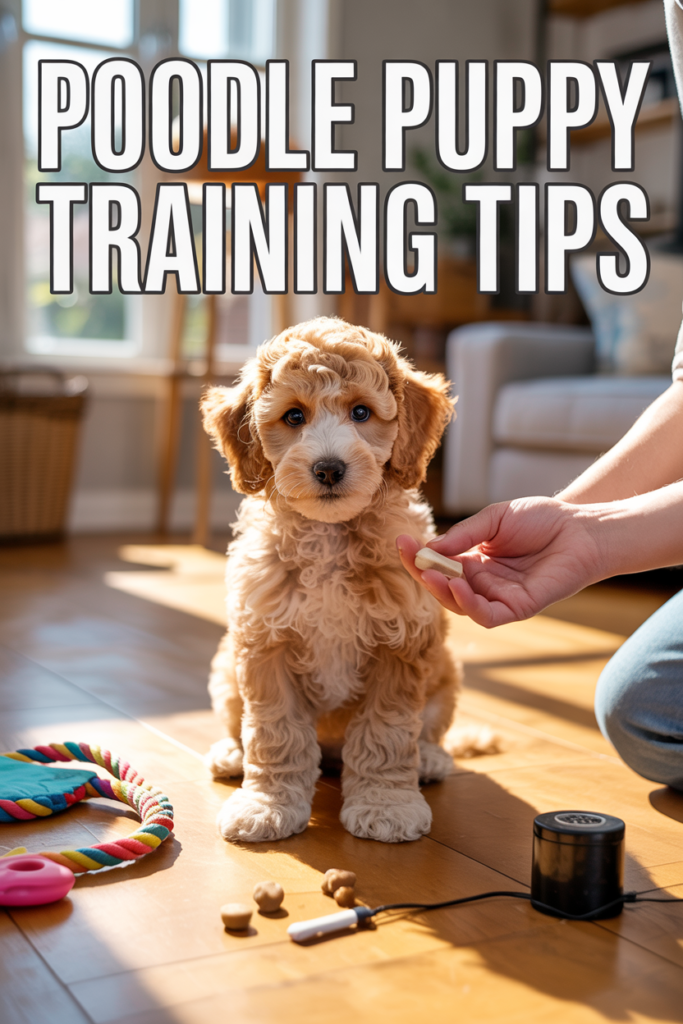
Bringing home a poodle puppy feels exciting because they pick things up faster than most dogs I’ve worked with. I noticed early on that my puppy wasn’t just reacting—he was analyzing everything I did. That’s when I realized poodle puppy training tips are essential if you want to stay ahead of their sharp mind instead of being outsmarted daily.
What surprised me most was how quickly boredom turned into mischief if I didn’t keep training structured. My poodle would start finding his own “projects” like chewing furniture or inventing games with socks. Once I focused on clear guidance, short sessions, and mental challenges, his behavior improved in a steady and predictable way.
Save For later
Key Takeaways
- Poodle puppies learn quickly and need mental stimulation every day
- Short training sessions help maintain focus and reduce frustration
- Rotating rewards keeps highly intelligent puppies interested
- Early impulse control prevents unwanted behaviors later
- Consistency in commands helps avoid confusion during training
- Mental games are just as important as physical exercise
Pro Tip
One thing I learned with my poodle was that repetition alone wasn’t enough—he needed variety to stay engaged. When I used the same treat too often, he stopped responding with excitement, so I switched between soft treats, praise, and short play breaks. I also introduced quick brain games before obedience training, which helped him focus better during commands. Training right after short walks worked best because he wasn’t overly energetic or distracted. I avoided long sessions because my poodle would start predicting patterns and lose interest quickly. Keeping my tone calm but confident helped him understand when I was serious. Most importantly, I made sure every session ended on a simple success so he stayed motivated for the next one.
Related Posts
- Foods Poodles Should Avoid for Better Health
- Expert Dachshund Puppy Training Tips for Better Behavior
- Advanced Dachshund Puppy Training Guide for Stubborn Dogs
Start with a 60-Second Brain Warm-Up
Short sessions beat marathon drills every time. In my experience, puppies learn best when training feels like play, not pressure.
Think of training as tiny lessons sprinkled throughout the day rather than one long bootcamp. This keeps your poodle puppy focused, eager, and successful.
Do 3–5 mini sessions daily, just 1–3 minutes each
Focus on one skill per session such as sit, down, name recognition, or hand-target
End while your puppy still wants more so training stays fun and motivating
Poodles thrive on novelty and success. Stopping early builds enthusiasm instead of burnout.
Power-Up Drills
These foundational drills create fast communication and reliable responses.
Name game
Say your puppy’s name, mark with a cheerful “Yes!” the instant they look at you, then reward. This builds attention faster than almost anything else.
Hand-target
Present your palm, let your puppy nose-touch it, mark, and reward. I rely on this constantly because it becomes a steering wheel in distracting environments.
Fast sits
Lure into a sit, mark immediately, and deliver the reward at mouth level. Reward speed and focus, not just position.
Timing matters more than repetition. Clear feedback builds confidence quickly.
Use a Training Currency Your Poodle Actually Cares About
Not all rewards are equal. Over the years, I’ve noticed that poodles get bored easily if rewards never change. Variety keeps their brain engaged.
Treat rotation
Use small, soft, pea-sized pieces like chicken, cheese, or high-value training treats. Rotate frequently to maintain interest.
Toy rewards
Some poodles love a quick tug or mini fetch more than food, especially during high-energy sessions.
Life rewards
Access to sniffing, greeting, couch time, or opening a door can be powerful motivators when used intentionally.
Smart dogs work harder when they believe something exciting might happen.
Mark the Moment
Use a clear marker word like “Yes!” or a clicker.
This tells your puppy the exact moment they got it right. From decades of training dogs, I can say this with certainty: timing beats volume every time.
Teach Impulse Control Before You Need It
Highly intelligent puppies invent chaos when structure is missing. Teaching polite “please” behaviors early prevents frustration later.
Default sit
Ask for a sit before anything your puppy wants—food, leash, greetings, or doors opening. Reward automatically.
Leave it
Place a treat in a closed fist. When your puppy stops trying to get it, mark and reward from your other hand. This builds frustration tolerance.
Wait at doors and curbs
Start with one second, slowly build to five, then release with a happy “Okay!” This improves safety and self-control.
Impulse control is one of the most valuable life skills you can teach a poodle.
Greeter Protocol (Save Your Visitors)
Keep your puppy on a leash. Ask for a sit. Have visitors toss treats to the floor when four paws stay down.
If your puppy jumps, the visitor becomes still and boring. In my experience, poodles quickly learn that calm behavior makes good things happen.
Socialization: Curate Their World Like a Playlist
Early experiences shape confidence for life. Socialization isn’t about flooding your puppy with chaos—it’s about thoughtful exposure.
Aim for 2–3 positive new experiences per day until about 14–16 weeks
Mix surfaces, sounds, people, mobility aids, umbrellas, and friendly dogs
Keep enough distance so your puppy stays relaxed and curious
A calm puppy is learning. A scared puppy is overwhelmed.
Make It Positive
Pair every new experience with treats and gentle praise. If your puppy hesitates or avoids something, slow down.
From my experience, confidence grows from choice, not pressure. This matters more than fancy tricks.
Harness Their Inner Nerd with Brain Games
Bored poodles invent their own entertainment, and owners rarely enjoy the results. Mental enrichment is non-negotiable.
Food puzzles
Snuffle mats, puzzle feeders, and frozen toys turn meals into brain work.
Shaping games
Reward small steps toward a goal, like touching a mat or placing toys in a bin.
Nose work
Hide treats in boxes or towels and let your puppy search. Start easy and build difficulty gradually.
Mental work tires a poodle faster than physical exercise alone.
Teach “Go to Mat”
Lure your puppy onto a mat, reward any contact, build duration, and add a release cue.
This skill is a lifesaver during meals, work calls, or doorbell chaos. I use it daily.
Leash Skills: Smooth Operator, Not Sled Dog
Good leash manners protect your shoulders and your patience. Start indoors where distractions are minimal.
Reward walking beside your leg one step at a time
Stop moving if the leash tightens
Resume when slack returns
Change direction often to keep focus high. Pulling should never lead to forward motion.
Gear Check
Use a comfortable harness and a 4–6 foot leash. Bring high-value treats, poop bags, and realistic expectations.
Early leash training is about communication, not perfection.
Crate and Alone-Time Training (Goodbye Separation Drama)
A well-adjusted dog knows how to relax alone.
Create a cozy crate with bedding and safe chews
Reward entering and settling calmly
Practice short departures of 1–3 minutes and gradually build
Keep arrivals and departures low-key. Calm is the goal.
Night Routine
Last potty break, quiet chew in the crate, dim lights. Nighttime trips should be boring and brief.
You’re teaching rest, not hosting a midnight party.
Proof It or Lose It
Dogs don’t generalize well. A sit in the kitchen doesn’t automatically transfer to the park.
Use the 3 D’s
Distance
Duration
Distraction
Change only one variable at a time.
Practice in new locations and gradually reduce rewards while keeping effort high.
Real-Life Drills
Sit before the food bowl goes down
Down-stay during TV breaks
Hand-target at crosswalks
Leave it with dropped food, starting easy
Training should live in daily routines, not just formal sessions.
FAQ
How many training sessions should I do per day?
Aim for 3–5 short sessions of 1–3 minutes. Use everyday moments like meals and doorways. Consistency beats length.
What if my poodle puppy gets nippy during training?
End the session calmly and redirect to a chew. Nipping usually means over-arousal or fatigue.
Do I need a clicker, or is a marker word enough?
A marker word like “Yes!” works perfectly. Clickers add precision, but consistency matters most.
When can I start leash training?
Immediately, indoors first. Waiting allows bad habits to form.
How do I stop jumping on guests?
Plan ahead. Leash your puppy, ask for a sit, reward calm behavior, and remove attention for jumping.
What treats are best for training?
Small, soft, and smelly. Upgrade rewards for harder environments. Variety keeps smart puppies engaged.
Conclusion
Poodle puppy training is most effective when you respect their intelligence and guide it early. Keep sessions short, rewards exciting, and expectations clear.
With consistent impulse control, social confidence, and real-life skills, you’re not just training a dog—you’re raising a brilliant, well-mannered companion who fits seamlessly into your life.
All content on this site is written and reviewed by our experienced team to ensure it is accurate, reliable, and helpful for our readers. Our Our Process page explains how we carefully research and create high-quality content, while our Team page introduces the professionals behind our work. We also provide clear guidelines for content or image concerns on our Image Removal page, so you can trust that we prioritize transparency, quality, and reader safety.