How To Decode Your Dog’s Body Language
Just think about it: your dog barks, wags its tail, and sometimes gives you those irresistible puppy eyes. But after 20 years of living with, grooming, fostering, and cooking homemade meals for dogs, I can confidently say this—most communication isn’t in the bark. It’s in the body. Learning to decode your dog’s body language can completely transform your relationship from confusion to deep trust.
Key Takeaways
- Tail wagging doesn’t always mean happiness—speed, height, and stiffness matter.
- Ears, eyes, and facial tension give early clues about stress or comfort.
- Whole-body posture often signals fear, confidence, playfulness, or aggression.
- Soft eye contact builds trust; hard stares can trigger tension.
- Understanding subtle stress signals helps prevent bites and anxiety.
- Early body language awareness strengthens bonding and improves training success.
Why Does Body Language Matter?
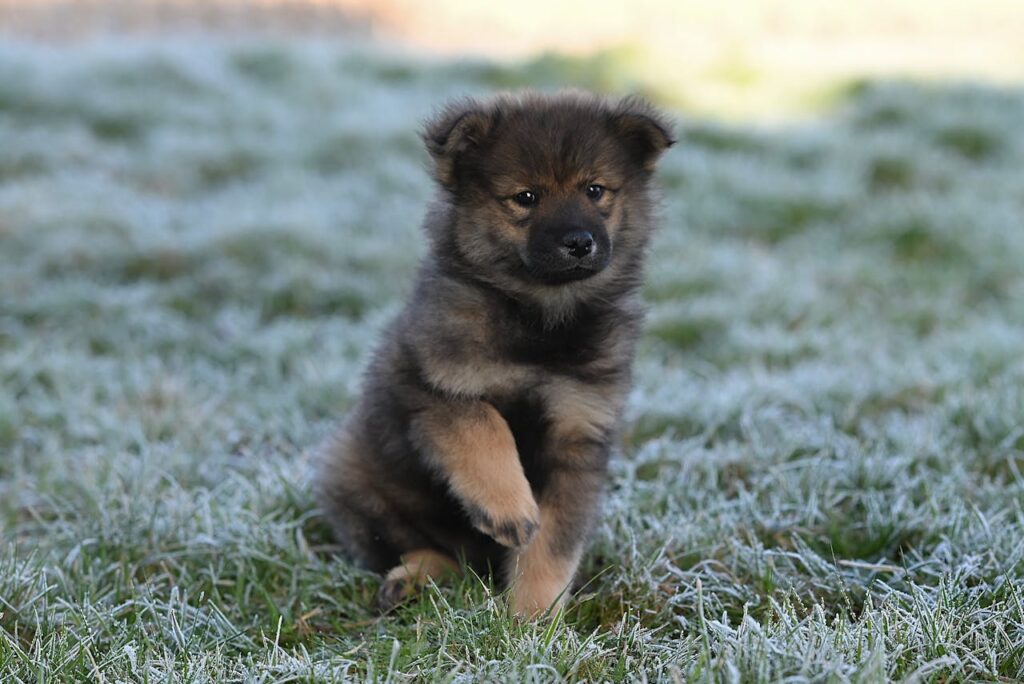
Body language is your dog’s primary language. Dogs rely on posture, facial expression, tail carriage, and movement far more than vocal sounds. In fact, research in canine behavior shows that over 70% of dog-to-dog communication is non-verbal.
In my two decades of working hands-on with dogs of every temperament—from anxious rescues to confident working breeds—I’ve learned this: most behavioral problems start because humans miss early body cues.
For example, what many people label as “sudden aggression” is rarely sudden. Dogs typically show subtle stress signals first:
- Lip licking
- Yawning when not tired
- Turning the head away
- Freezing briefly
When we recognize these early signs, we prevent escalation. That’s responsible dog ownership.
Tail Wagging: What’s the Deal?
A wagging tail is often misunderstood. It doesn’t automatically mean your dog is happy.
Here’s how I personally interpret tail movement after years of observation:
Slow wagging
This often signals uncertainty. I see this frequently in grooming when a dog is unsure but not fearful.
Fast wagging
Usually excitement or happiness—especially if paired with relaxed ears and a loose body.
Wagging with the whole body
Pure joy. When the hips wiggle and the back end sways, that’s a confident, happy dog.
High and stiff wagging
Alertness or agitation. If the tail is rigid and movement is tight, I immediately assess the environment.
Low or tucked tail
Fear, stress, or submission. If your dog’s tail is tucked tightly under the belly, they need reassurance and space—not pressure.
Pro Tip From Experience:
Always read the tail together with the body. A wag with a stiff posture is very different from a wag with relaxed muscles.
Your Dog’s Face: The Window to Their Soul
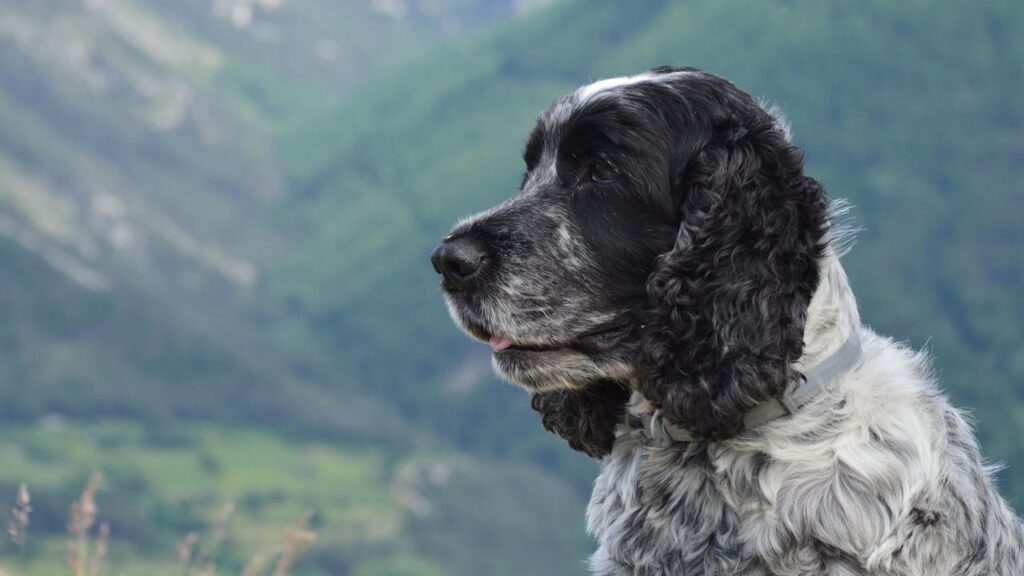
Your dog’s face speaks volumes—if you know what to look for.
Relaxed face
Soft eyes, slightly open mouth, neutral ears. This is a calm, content dog.
Raised hackles
This doesn’t always mean aggression. It signals arousal—excitement, fear, or alertness. I’ve seen it during both playful encounters and tense ones.
Bared teeth
Not the playful grin—this is tension. The lips pull back tightly, and the body stiffens. Give space immediately.
Whale eye
When you see the whites of your dog’s eyes while they turn their head away, that’s discomfort. I’ve noticed this often when children hug dogs too tightly.
Stat to Know: According to veterinary behavioral studies, many dog bites occur after ignored stress signals. Recognizing facial tension early dramatically reduces risk.
Do Those Ears Tell You Something?
Absolutely. Ears are emotional indicators.
Ears forward
Curiosity or alertness. Your dog is focused on something interesting.
Ears pinned back
Fear, anxiety, or submission. If paired with crouching, your dog feels unsafe.
Neutral ear position
Relaxed and comfortable.
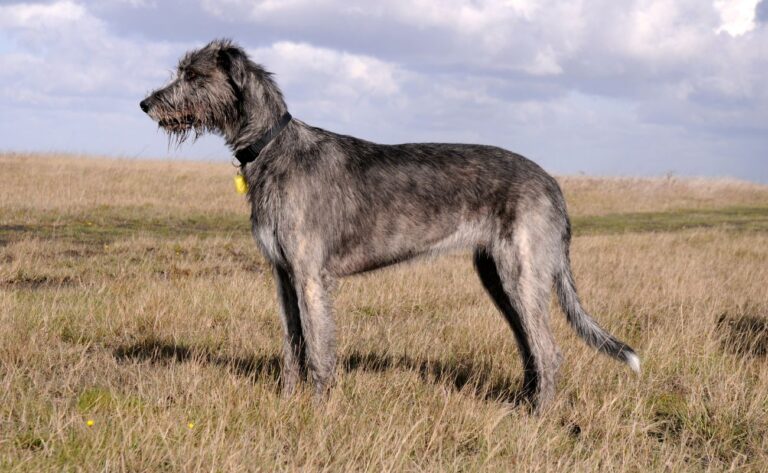
Different breeds express this differently. A German Shepherd’s erect ears are easier to read than a floppy-eared Labrador, so always consider your dog’s natural ear structure.
From my grooming experience, I often check ear posture before beginning a session—it tells me whether I need to slow down or adjust my approach.
Don’t Forget About the Body!
The full body posture completes the story.
Crouched body
Fear or submission. I lower myself physically and soften my voice in these moments.
Standing tall and stiff
Confidence—or challenge. Watch carefully for other signals.
Play bow
Front legs down, rear end up. This is an invitation to play. Even older dogs use this gesture.
Rolling over
Can mean trust and submission—but context matters. A loose, wiggly roll invites belly rubs. A stiff, frozen roll suggests nervous submission.
Loose and wiggly body
This is what I call the “happy noodle.” It’s the gold standard of comfort.
Experience Tip:
A relaxed dog moves fluidly. A stressed dog moves stiffly.
Why Eye Contact Matters
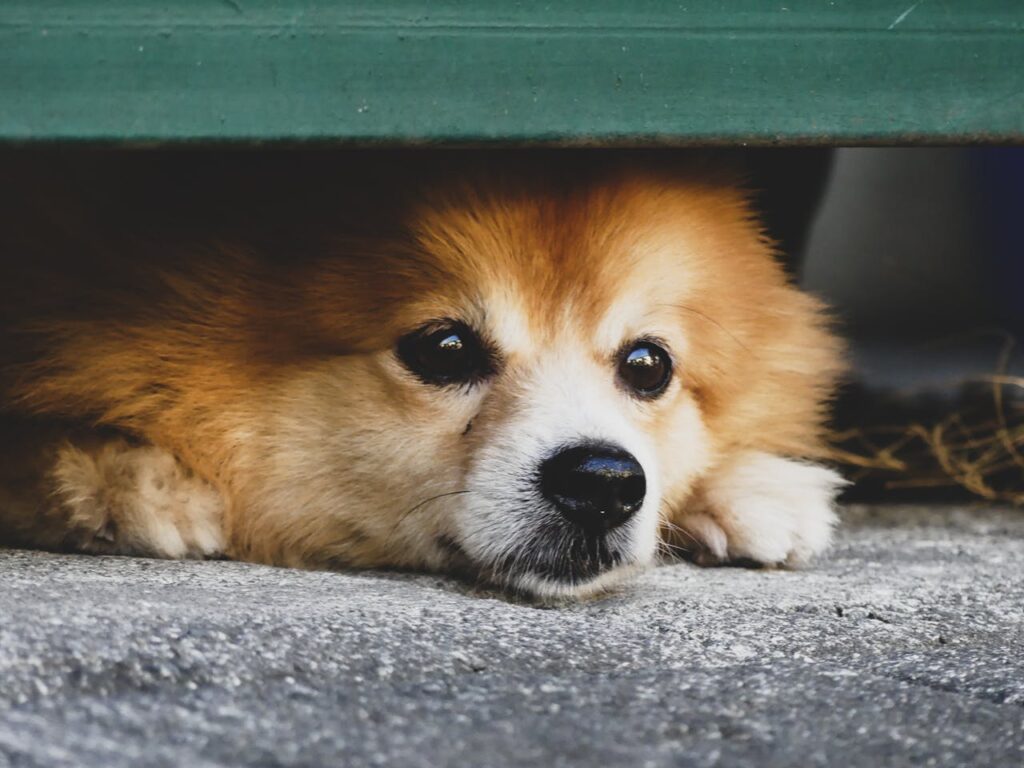
Eye contact builds connection—but only when it’s soft.
Soft gaze
Trust and affection. When your dog holds gentle eye contact, that’s bonding. Studies even show oxytocin (the “love hormone”) increases in both humans and dogs during mutual gazing.
Hard stare
Challenge or tension. Between dogs, prolonged staring can escalate conflict.
Avoiding eye contact
Appeasement or anxiety. Your dog may be trying to diffuse tension.
In my own home, I teach calm eye contact during training sessions. It builds focus without intimidation.
Turning Your Dog’s Emotions into Actions
Understanding body language is only step one. Responding appropriately is what truly strengthens your relationship.
If your dog shows anxiety:
- Reduce environmental stress
- Provide a safe, quiet space
- Use calm, slow movements
- Consider enrichment toys or scent games
If your dog signals play:
- Engage in structured play
- Use interactive toys
- Reinforce recall during play for training value
If your dog shows overstimulation:
- Pause activity
- Encourage calm behavior
- Avoid punishment—redirect instead
Over the years, I’ve seen remarkable transformations simply because owners learned to listen visually.
Final Thought From Experience
After 20 years with dogs, I can confidently say this: the better you read their body language, the fewer behavior problems you’ll face. Dogs are constantly communicating. When we learn their language, we build trust, prevent stress, and deepen that incredible human-canine bond.
The next time your dog “talks” to you without a sound, pay attention. You might be surprised how much they’ve been saying all along.
Happy wagging 🐶