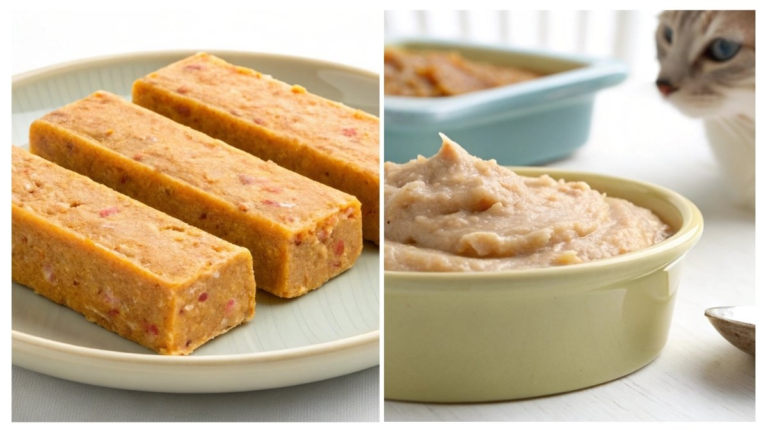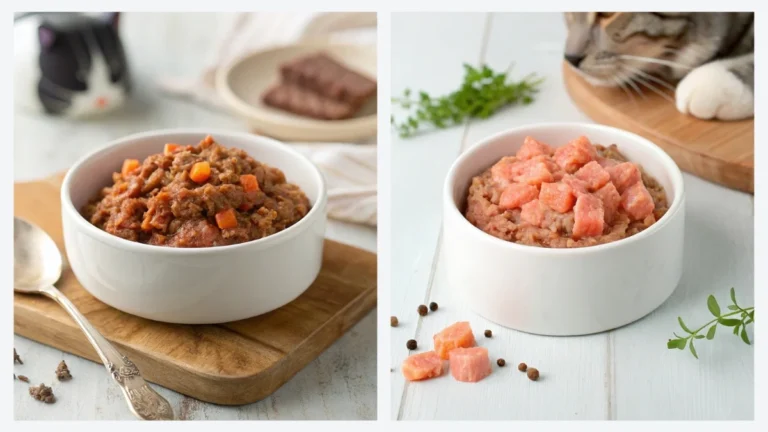
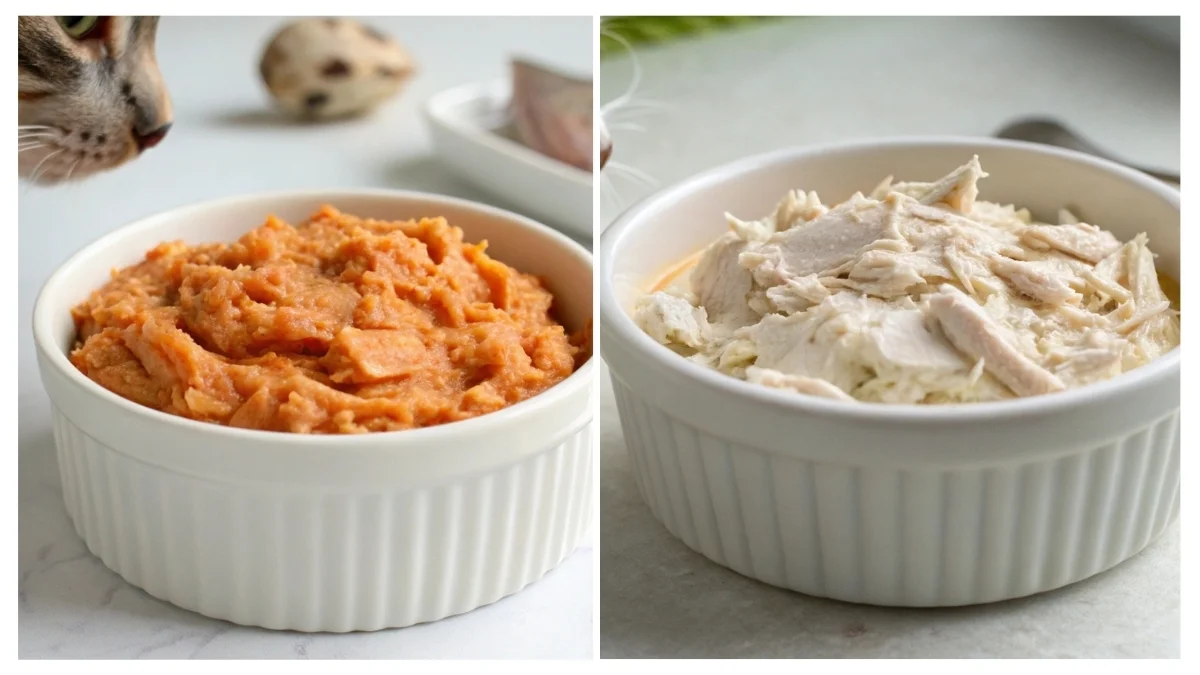
5 Hypoallergenic Homemade Cat Food Recipes for Sensitive Stomachs
Struggling with your cat’s sensitive stomach? I completely understand how stressful it can be when your cat reacts badly to food—because I’ve personally gone through it. I’ve dealt with everything from sudden vomiting to constant itching and refusal to eat, and it pushed me to dig deeper into what was really going into commercial cat food.
What I discovered surprised me. Many store-bought options—even premium ones—contain fillers, artificial preservatives, and common allergens like grains or dairy that simply don’t sit well with every cat. According to veterinary studies, food-related allergies account for nearly 10–15% of all feline allergy cases, and digestive issues are often the first sign.
Key Takeaways
- Hypoallergenic diets rely on limited ingredients to reduce allergic triggers
- Novel proteins like duck, rabbit, and turkey are safer for sensitive cats
- Homemade meals eliminate hidden additives and preservatives
- Fiber helps regulate digestion and reduce stomach upset
- Omega-3 fatty acids support skin health and reduce inflammation
- Gradual food transition is critical to avoid digestive shock
- Hydration-rich meals help prevent long-term health issues
- Always consult your vet for long-term dietary planning
When I started preparing food at home, I noticed a real difference—not just in digestion, but in energy levels, coat quality, and overall mood. These recipes are built from that experience and designed to be practical, safe, and genuinely helpful.
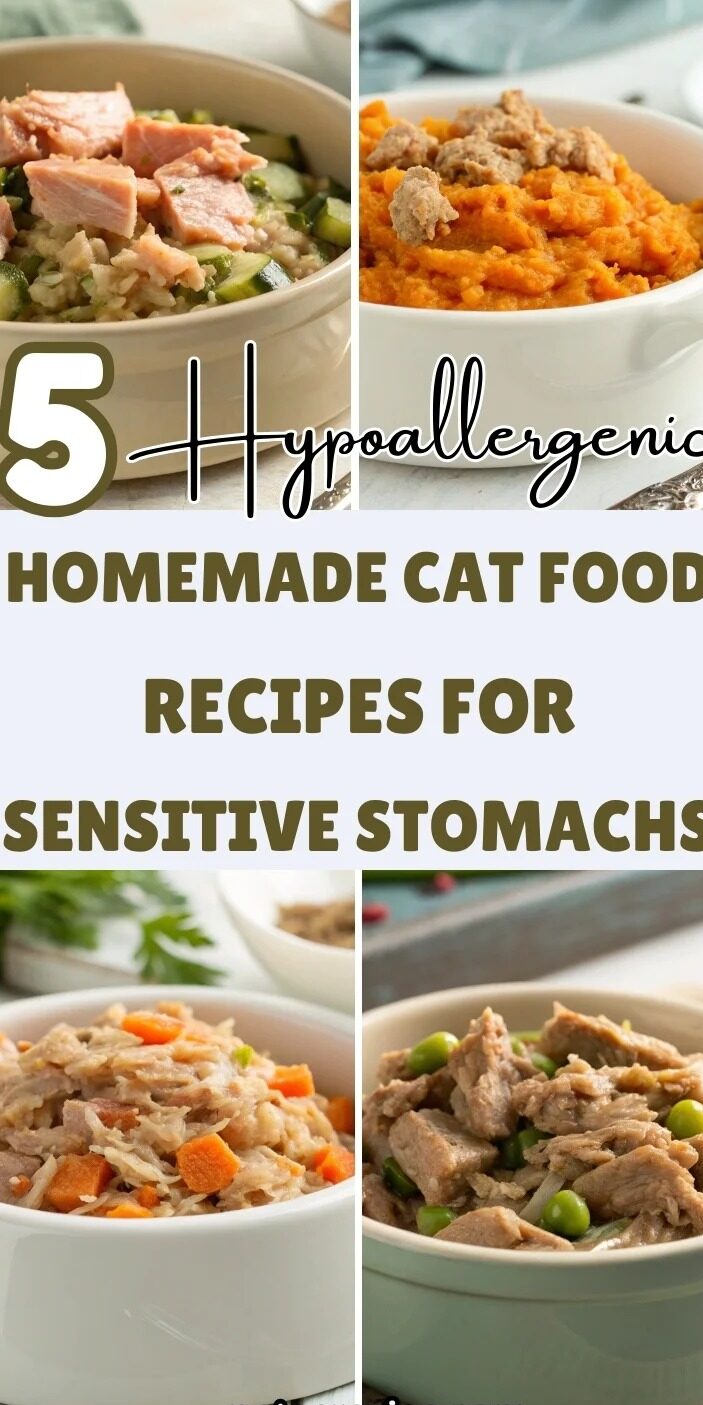
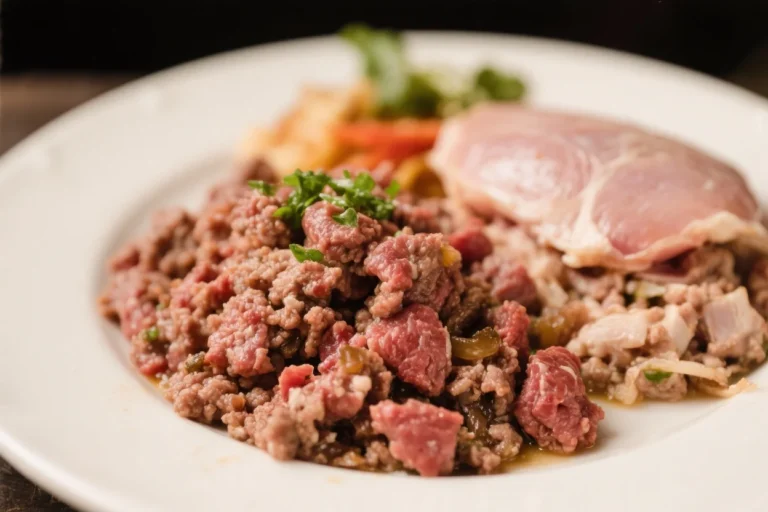
#1. The Ultimate Hypoallergenic Homemade Cat Food Recipe for Sensitive Stomachs

I still remember how helpless I felt when my cat Whiskers stopped eating properly. Every meal seemed to trigger discomfort, and it became clear that something in his food wasn’t working. After trying multiple commercial brands without success, I decided to take control and prepare his meals myself.
This fish and vegetable recipe was the first one that truly worked—and I saw results within days.
Why This Recipe is Purr-fect for Sensitive Cats
This recipe is carefully designed with digestion in mind. Fish is one of the most easily digestible proteins for cats and is naturally rich in omega-3 fatty acids, which help reduce inflammation in the gut and skin. I noticed that after introducing this, my cat’s coat became shinier and his itching reduced significantly.
The vegetables—carrots, green beans, and peas—provide gentle fiber that supports gut health without overwhelming the digestive system. Fiber plays a key role in stabilizing digestion, especially in cats that experience irregular bowel movements.
Another reason I rely on this recipe is its simplicity. Fewer ingredients mean fewer chances of triggering an allergic reaction, which is the core principle behind hypoallergenic feeding.
Why You’ll Love Making This Recipe
From my personal experience, making this recipe has several benefits beyond just nutrition. First, I have complete control over what my cat eats—no hidden additives or low-quality fillers. Second, it’s surprisingly affordable compared to specialized hypoallergenic diets.
It’s also incredibly convenient. I usually prepare a batch and store it, which saves me time during busy days. Most importantly, I’ve seen firsthand how it improves my cat’s comfort and happiness.
Essential Recipe Information
Prep Time: 15 minutes
Cook Time: 20 minutes
Total Time: 35 minutes
Shelf Life: 3 days refrigerated, 2 weeks frozen
Equipment Needed
You don’t need anything fancy for this recipe, which is one of the reasons I love it. A basic kitchen setup works perfectly. I typically use a cutting board, a sharp knife, a saucepan for vegetables, and a pan for cooking fish.
If your cat prefers smoother textures, a food processor can be incredibly helpful. I’ve used it many times for older cats or those with dental issues.
Ingredients
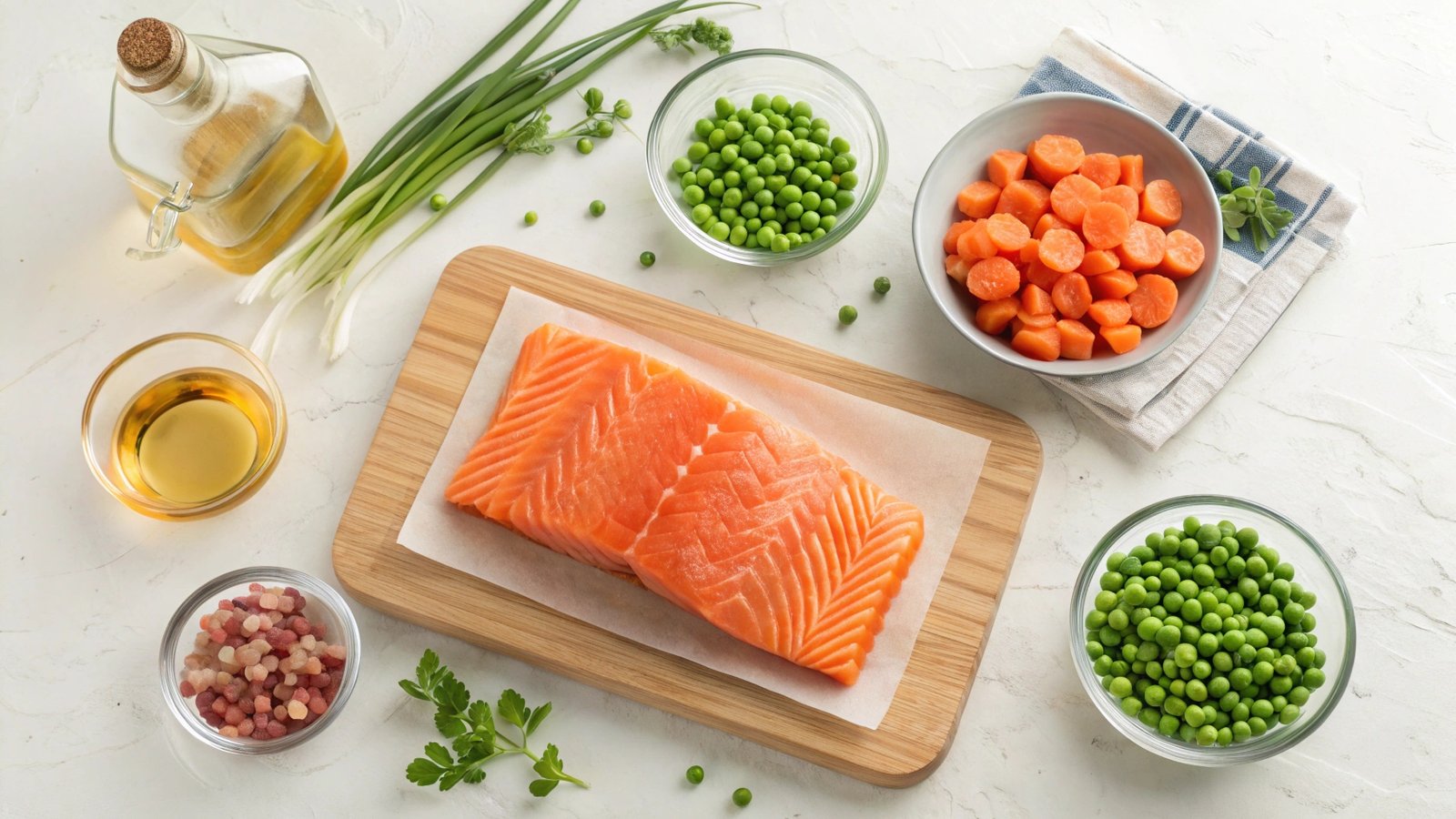
- 1 pound fresh fish (salmon or whitefish)
- 1/2 cup carrots
- 1/2 cup green beans
- 1/2 cup peas
- 1 tablespoon fish oil (optional)
Each ingredient plays a role—protein for muscle maintenance, fiber for digestion, and fats for skin and coat health.
Expert Tips for Best Results
From my experience, the quality of ingredients matters more than anything. Always choose fresh fish and avoid high-mercury options like tuna. I also recommend introducing this recipe slowly, especially if your cat has been eating commercial food for a long time.
Cooling the food completely before serving is another small but important detail that many people overlook.
Step-by-Step Instructions
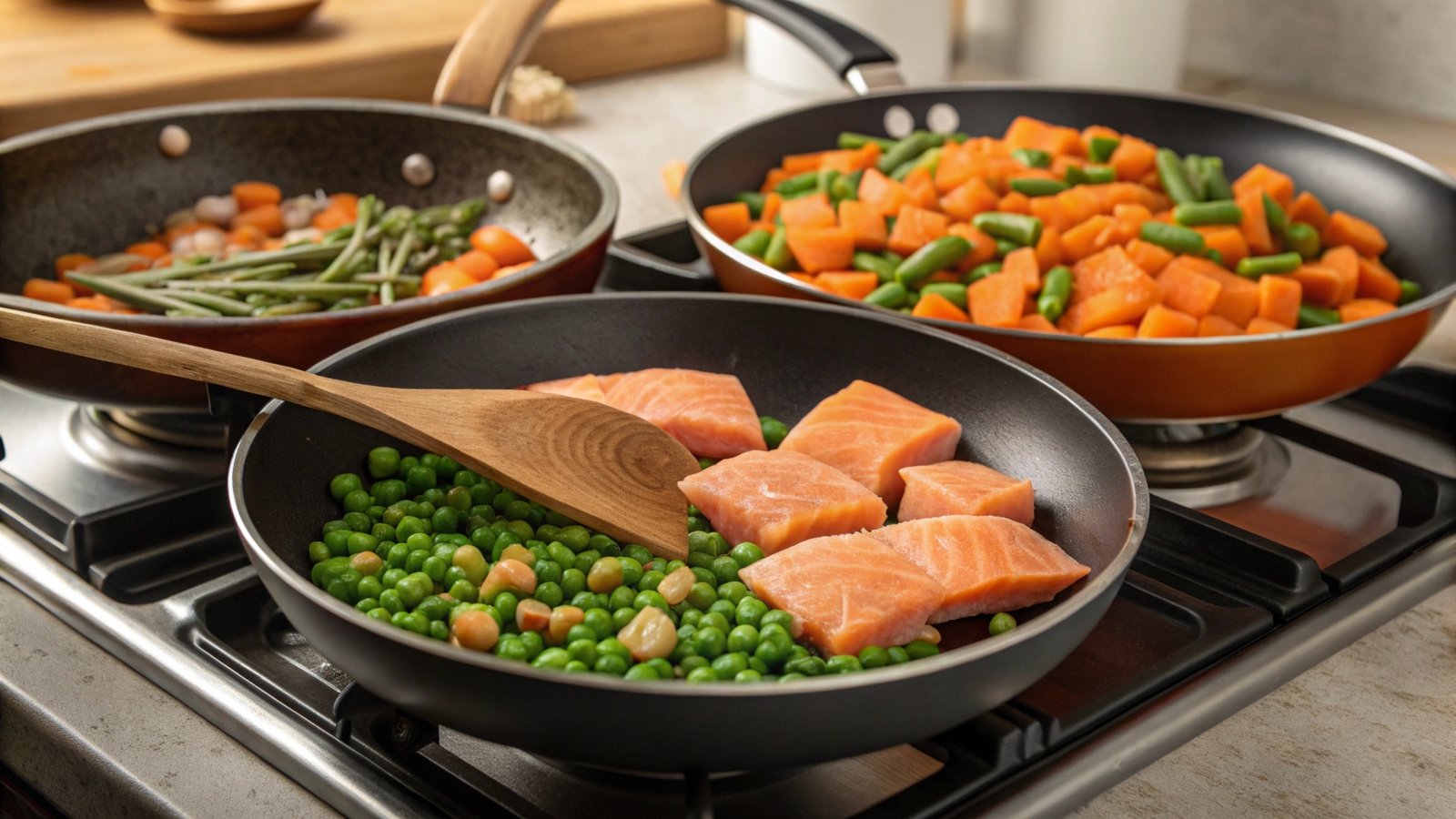
Start by preparing the fish—clean, rinse, and cut it into small pieces. Cook the vegetables until soft, then cook the fish separately without seasoning. Once everything is ready, combine and mix thoroughly.
Let the mixture cool before serving. This step is crucial to prevent burns and improve acceptance.
Variations and Substitutions
If your cat doesn’t like fish, I’ve successfully swapped it with turkey or chicken. You can also replace peas with pumpkin, which is excellent for digestion.
Storage and Serving Guidelines
I usually store this in airtight containers and use it within three days. For longer storage, freezing works well. Just thaw overnight in the fridge before serving.
Common Questions & Troubleshooting
If your cat refuses the food initially, don’t panic—it’s normal. I’ve found that slightly warming it enhances aroma and encourages eating.
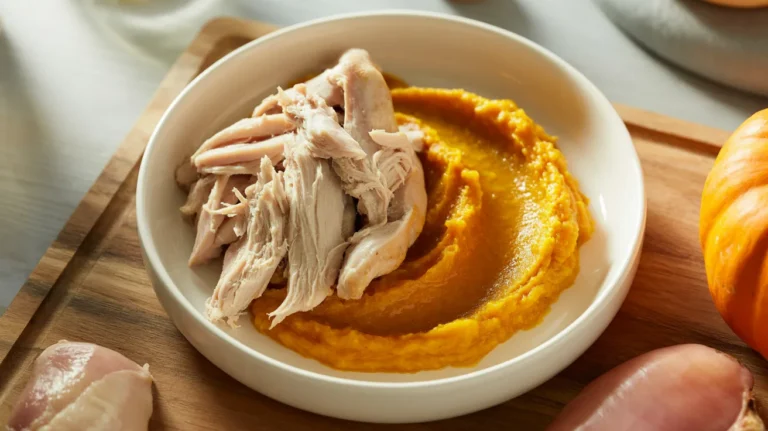
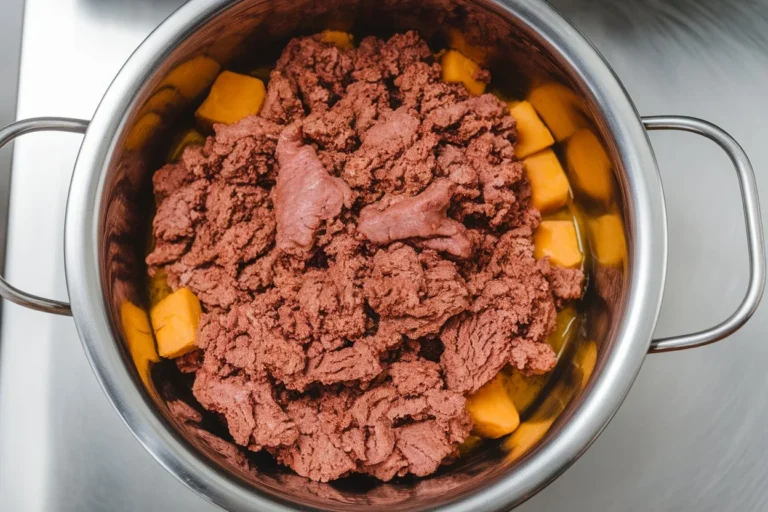
#2. Turkey and Sweet Potato Cat Food for Sensitive Stomachs

When my cat Luna started having repeated digestive issues—vomiting after meals, inconsistent stools, and a noticeable drop in energy—I realized I needed to simplify her diet. After trying multiple commercial “sensitive stomach” foods with little success, I turned to homemade meals. This turkey and sweet potato recipe was one of the first that truly made a difference.
Within a week of introducing it slowly, I noticed her digestion stabilizing and her appetite improving. That’s when I knew I had found something worth sticking with.
Recipe Overview
This recipe focuses on simplicity and digestibility, which are critical for cats with food sensitivities. Turkey is considered a novel protein, meaning it’s less commonly used in commercial cat foods and therefore less likely to trigger allergic reactions.
Sweet potato plays an equally important role. It provides soluble fiber, which helps regulate digestion and supports gut health. In my experience, it also helps reduce both diarrhea and constipation—two common issues in sensitive cats.
Another thing I appreciate about this recipe is how balanced it feels. It provides protein, fiber, and healthy fats without overwhelming the digestive system. It’s especially helpful for cats recovering from illness or transitioning away from processed foods.
Why You’ll Love This Recipe
From a practical standpoint, this recipe has made my life much easier. It’s quick to prepare, uses affordable ingredients, and can be stored for multiple meals. I often prepare a batch for several days, which saves time and ensures consistency in my cat’s diet.
More importantly, I’ve seen real results—better digestion, improved coat quality, and more consistent energy levels. It’s one of those recipes that feels both simple and effective.
Essential Information Block
Prep Time: 10 minutes
Cook Time: 20 minutes
Total Time: 30 minutes
Yield: 4–6 servings
Shelf Life: 3–4 days refrigerated, up to 2 months frozen
Equipment Needed
You don’t need anything complicated for this recipe. I usually use a non-stick pan for cooking the turkey, a pot for boiling the sweet potato, and a mixing bowl to combine everything.
If your cat prefers a smoother texture, a blender or food processor can help create a soft pâté-like consistency, which is especially useful for older cats or those with dental issues.
Ingredients Section

Main Components:
- 1 cup cooked ground turkey
- 1/4 cup mashed sweet potato
- 1 tablespoon olive oil (optional)
- 1/4 cup water or low-sodium broth
Each ingredient serves a purpose. Turkey provides lean protein, sweet potato supports digestion, and olive oil adds healthy fats that help maintain skin and coat health.
Expert Tips (Before Instructions)
From my experience, the key to success with this recipe is keeping everything simple and clean. Avoid adding any spices, salt, or seasoning—cats are extremely sensitive to these.
Always cook turkey thoroughly to eliminate bacteria. I also recommend starting with small portions when introducing this recipe, as sudden dietary changes can upset your cat’s stomach.
Instructions
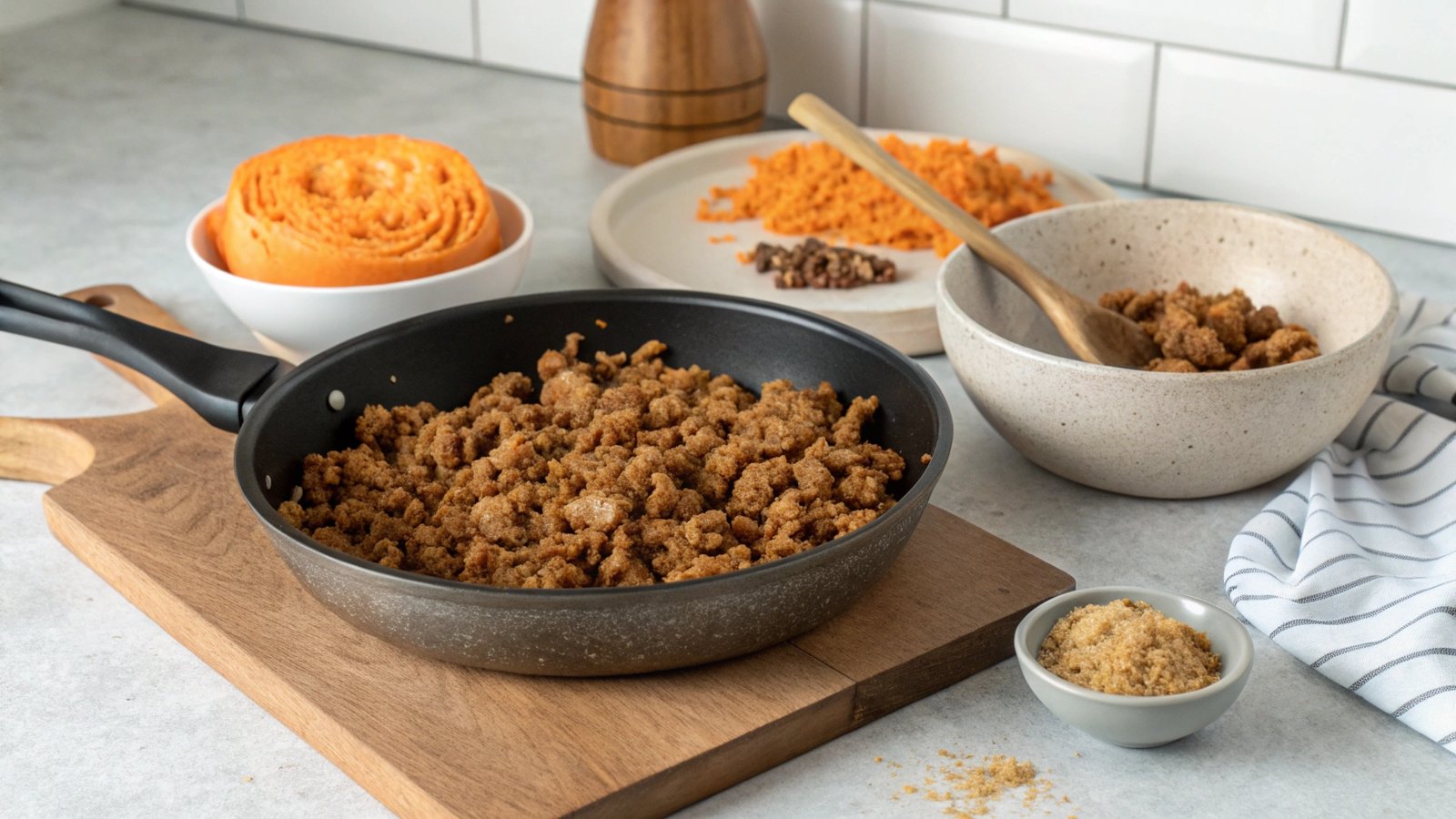
Start by cooking the ground turkey over medium heat until fully cooked. Make sure there is no pink remaining.
Next, boil or steam the sweet potato until it becomes soft enough to mash easily. Once cooked, mash it thoroughly to avoid any hard chunks.
In a mixing bowl, combine the turkey, sweet potato, olive oil, and water or broth. Mix until you achieve a soft, consistent texture.
Allow the mixture to cool to room temperature before serving.
Variations and Substitutions
If your cat prefers variety, you can substitute turkey with chicken or even rabbit. I’ve also experimented with adding a small amount of pumpkin, which works well for cats that need extra digestive support.
Pro Tips and Success Secrets
Batch cooking has been one of the biggest time-savers for me. I prepare multiple portions at once and freeze them in small containers. This way, I always have a healthy meal ready.
Another trick I use is slightly warming the food before serving—it enhances the aroma and makes it more appealing, especially for picky eaters.
Serving Guidelines
For small cats (under 10 lbs), I usually serve about 1/4 cup per meal. For larger cats, around 1/2 cup works well.
I divide meals into 2–3 servings per day to make digestion easier and prevent overeating.
Common Questions
Can I use raw turkey?
No, I never recommend raw turkey due to the risk of bacterial contamination. Always cook it thoroughly.
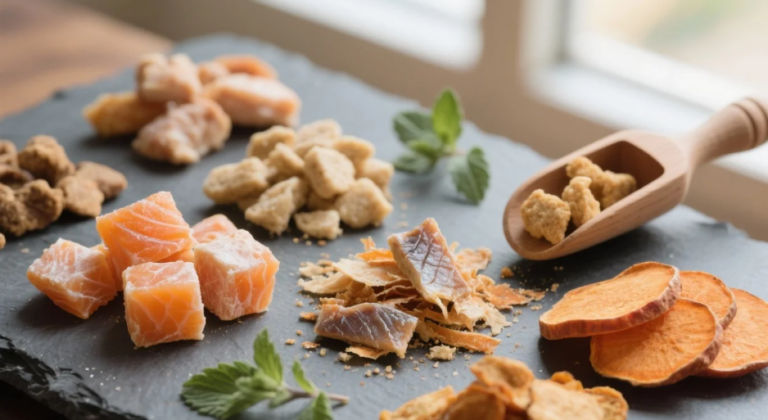
#3. Salmon and Zucchini Cat Food for Sensitive Stomachs
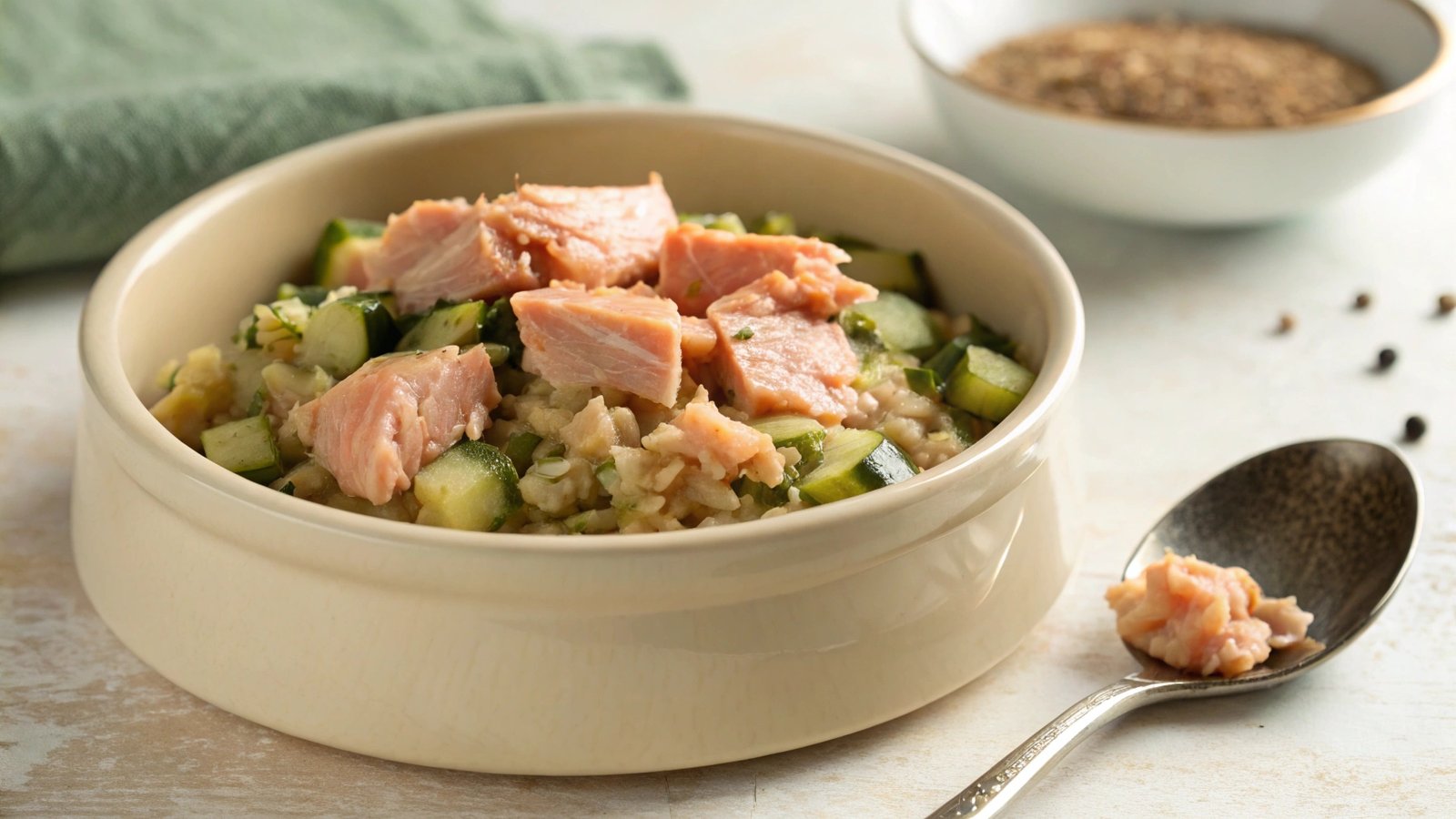
When my cat Milo started showing clear signs of food sensitivities—itchy skin, vomiting, and occasional diarrhea—I knew I needed to try something different. After researching and consulting with my vet, I found that fish-based diets can be incredibly helpful when prepared correctly.
This salmon and zucchini recipe quickly became a staple in my routine.
Recipe Overview
Salmon is rich in omega-3 fatty acids, which help reduce inflammation and improve skin health. I noticed a visible improvement in my cat’s coat within a couple of weeks of introducing this recipe.
Zucchini adds hydration and fiber, making the meal gentle on the stomach while supporting digestion. It’s also low in calories, which makes it a great option for maintaining a healthy weight.
Why You’ll Love This Recipe
This recipe is both nutritious and practical. It’s easy to prepare, uses minimal ingredients, and is highly digestible. I’ve found it especially useful during flare-ups of allergies or digestive issues.
Essential Information Block
Prep Time: 10 minutes
Cook Time: 20 minutes
Total Time: 30 minutes
Yield: 4–6 servings
Equipment Needed
Basic kitchen tools like a pan, pot, and mixing bowl are sufficient.
Ingredients Section
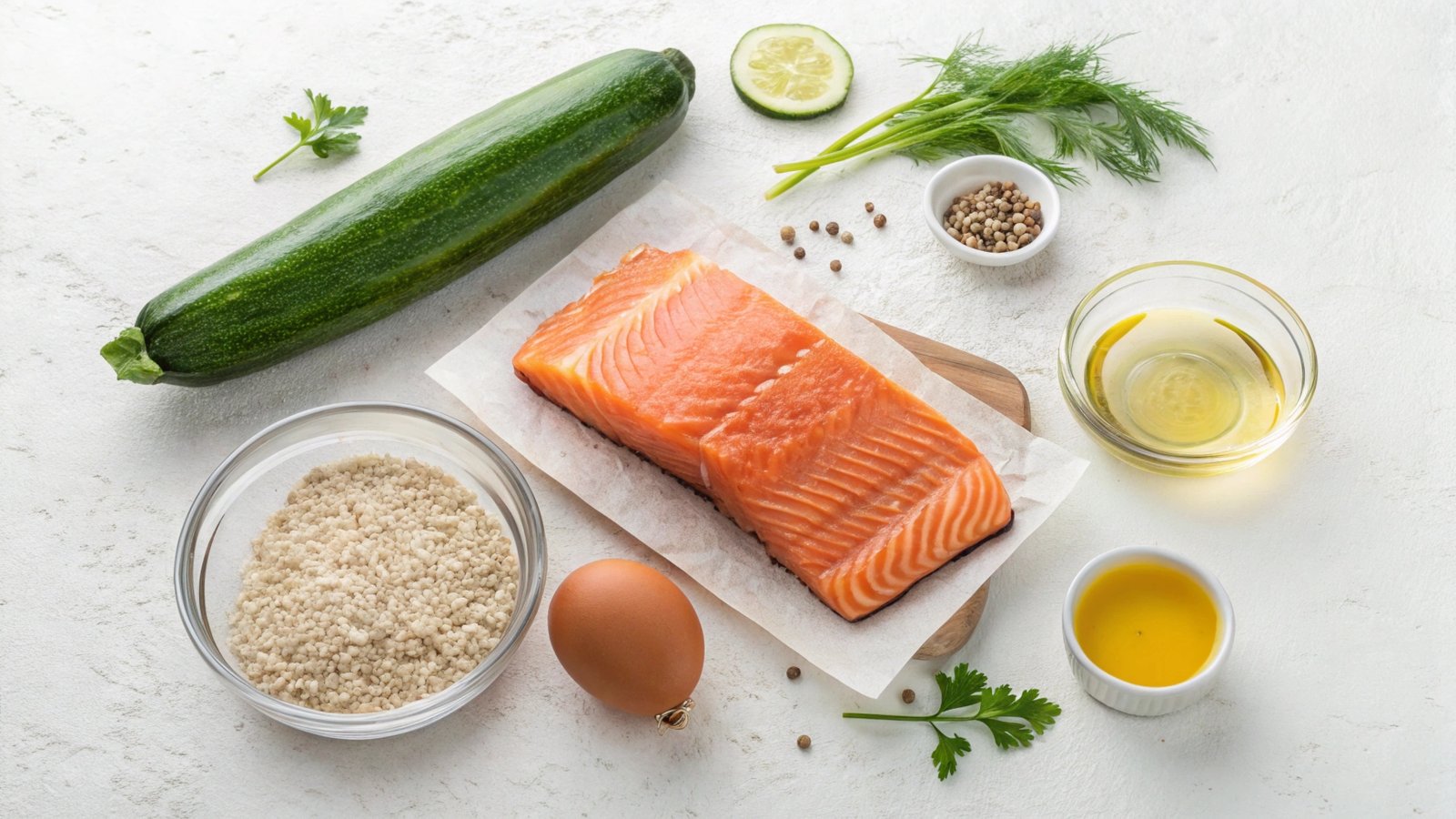
- Cooked salmon
- Cooked zucchini
- Fish oil (optional)
- Water or broth
Expert Tips (Before Instructions)
Always remove all bones from the salmon before serving. Even small bones can be dangerous.
Cook the salmon thoroughly and avoid adding any seasoning.
Instructions
Cook the salmon until fully done, then flake it into small pieces.
Cook the zucchini until soft, then mix both ingredients together with water or broth.
Blend if needed for a smoother consistency.
Variations and Substitutions
You can replace zucchini with pumpkin or sweet potato if needed.
Pro Tips and Success Secrets
I’ve found that slightly warming this meal makes a big difference in acceptance. Cats rely heavily on smell, and warmth enhances the aroma.
Serving Guidelines
Serve 1/4–1/2 cup depending on size.
Common Questions
Can I use raw salmon?
No, always cook salmon to eliminate harmful bacteria and parasites.
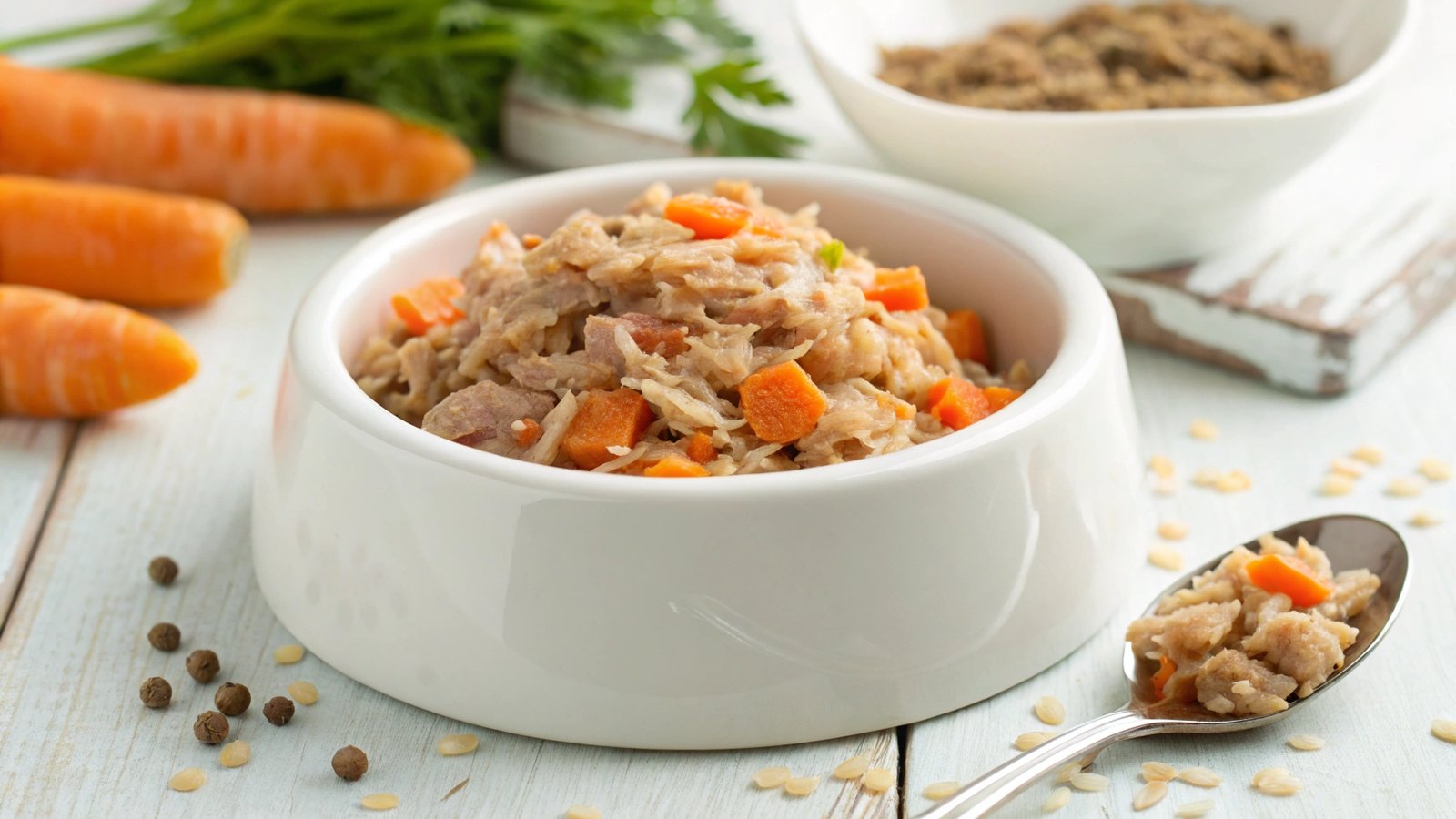
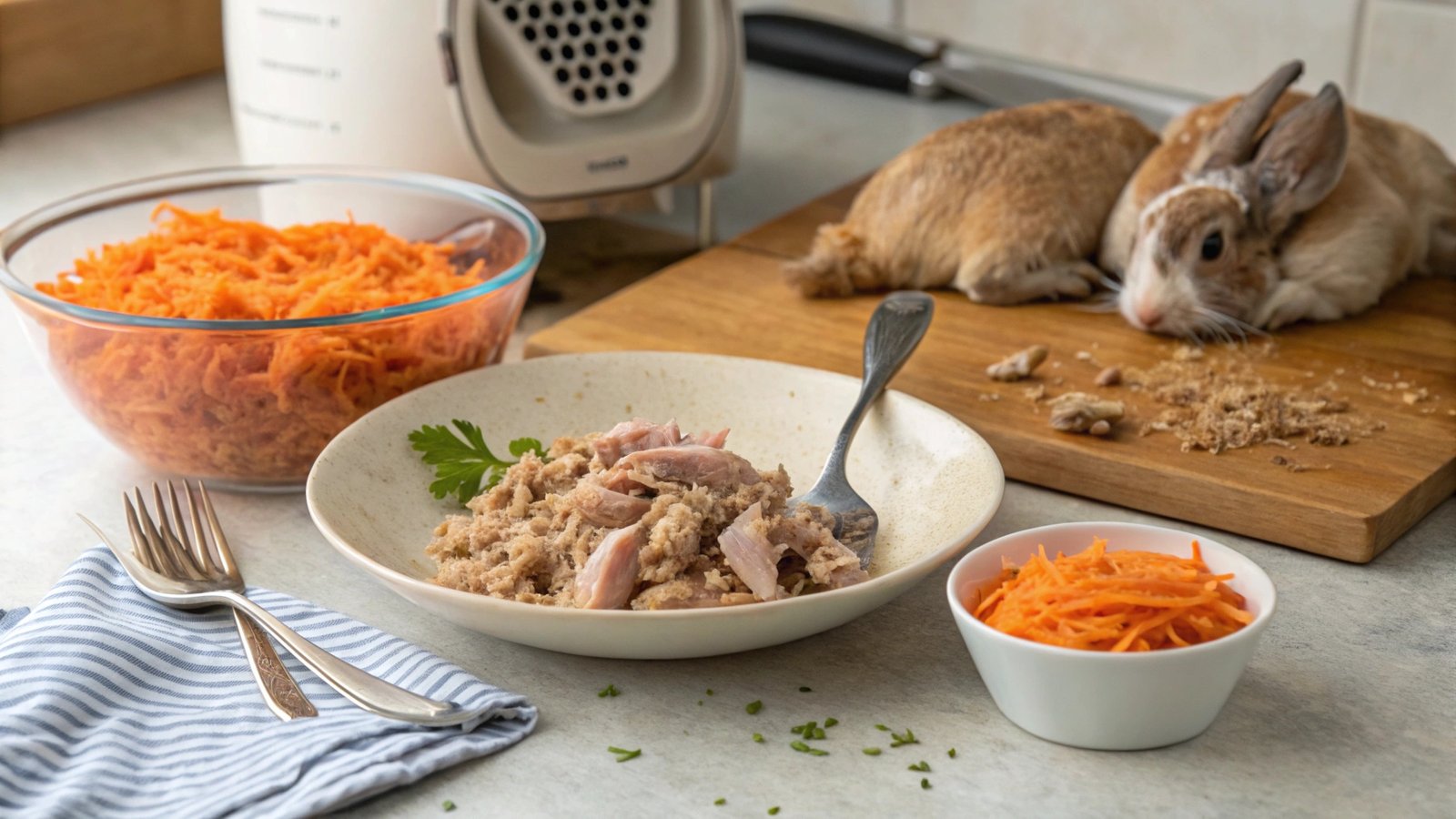
#4. Rabbit and Carrot Cat Food for Sensitive Stomachs
Rabbit became my go-to solution when other proteins didn’t work. When my cat Bella continued to show allergic reactions, switching to rabbit made a noticeable difference.
Recipe Overview
Rabbit is considered a novel protein, which means it’s rarely used in commercial diets and less likely to trigger allergies. It’s also highly digestible and lean.
Carrots provide fiber and antioxidants, supporting digestion and immune health.
Why You’ll Love This Recipe
This recipe is simple, effective, and ideal for elimination diets. I’ve used it successfully when trying to identify food sensitivities.
Essential Information Block
Prep Time: 10 minutes
Cook Time: 20 minutes
Total Time: 30 minutes
Equipment Needed
Basic kitchen tools
Ingredients Section
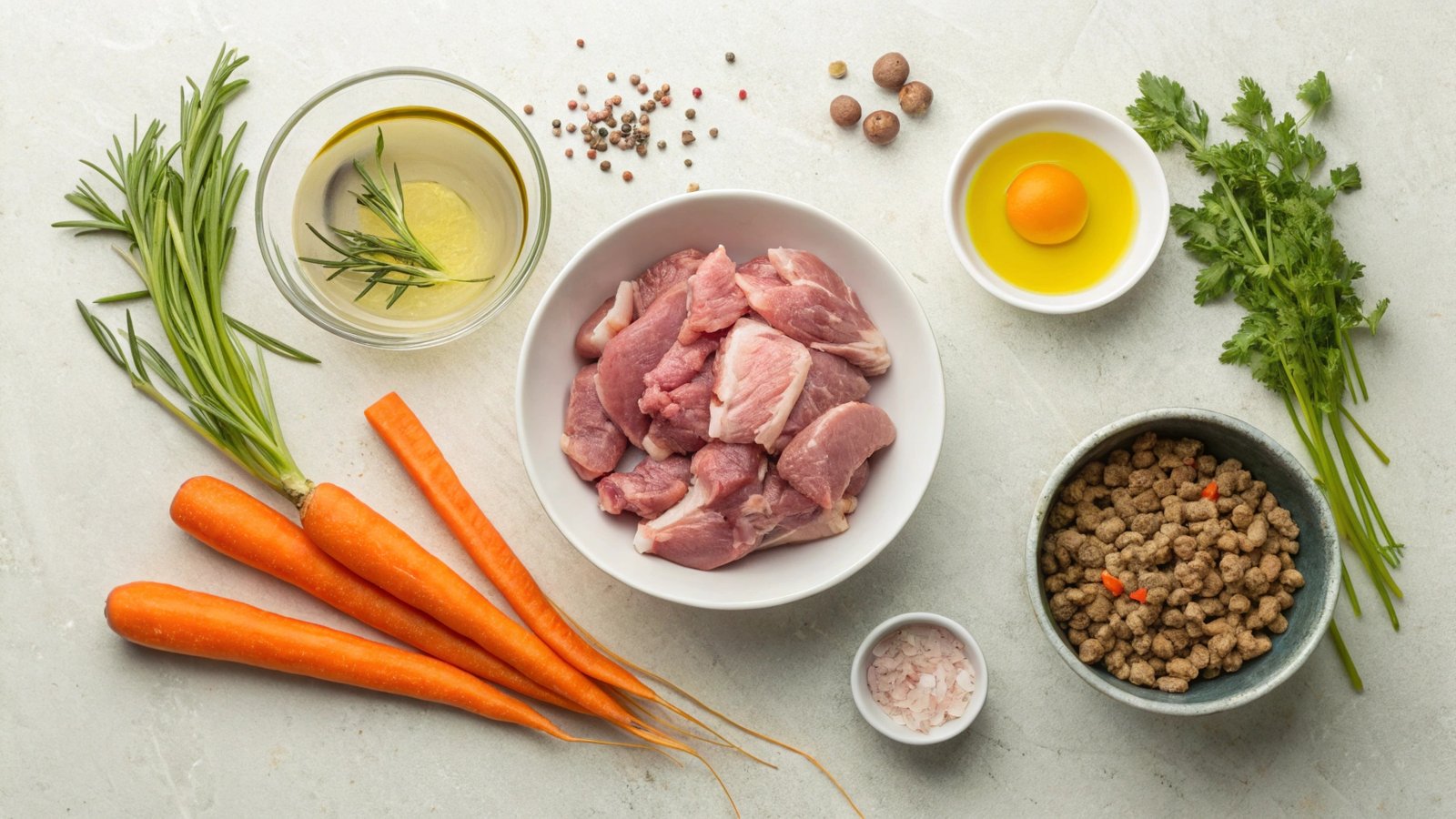
- Cooked rabbit
- Cooked carrots
- Olive oil
- Water or broth
Expert Tips (Before Instructions)
Cook rabbit thoroughly and ensure all bones are removed.
Instructions
Cook rabbit → cook carrots → mix → cool → serve
Variations and Substitutions
You can substitute rabbit with turkey if needed.
Pro Tips and Success Secrets
Start with small portions to monitor your cat’s reaction.
Serving Guidelines
1/4–1/2 cup per meal
Common Questions
Rabbit should always be cooked before serving.
#5. Duck and Green Bean Cat Food for Sensitive Stomachs
When my cat started showing clear signs of food sensitivities—itchy skin, inconsistent stools, and occasional vomiting—I knew I had to take a more controlled approach to nutrition. I’ve worked with pets for years, and one thing I’ve learned is that ingredient quality and simplicity can make a huge difference in digestive health.
Key Takeaways
- Duck is a novel protein that reduces allergy risks in sensitive cats
- Green beans provide fiber that supports digestion and gut health
- Limited-ingredient diets help identify and manage food sensitivities
- Homemade meals allow full control over quality and freshness
- Proper portioning and gradual introduction prevent digestive upset
- Hydration-rich meals improve urinary and digestive health
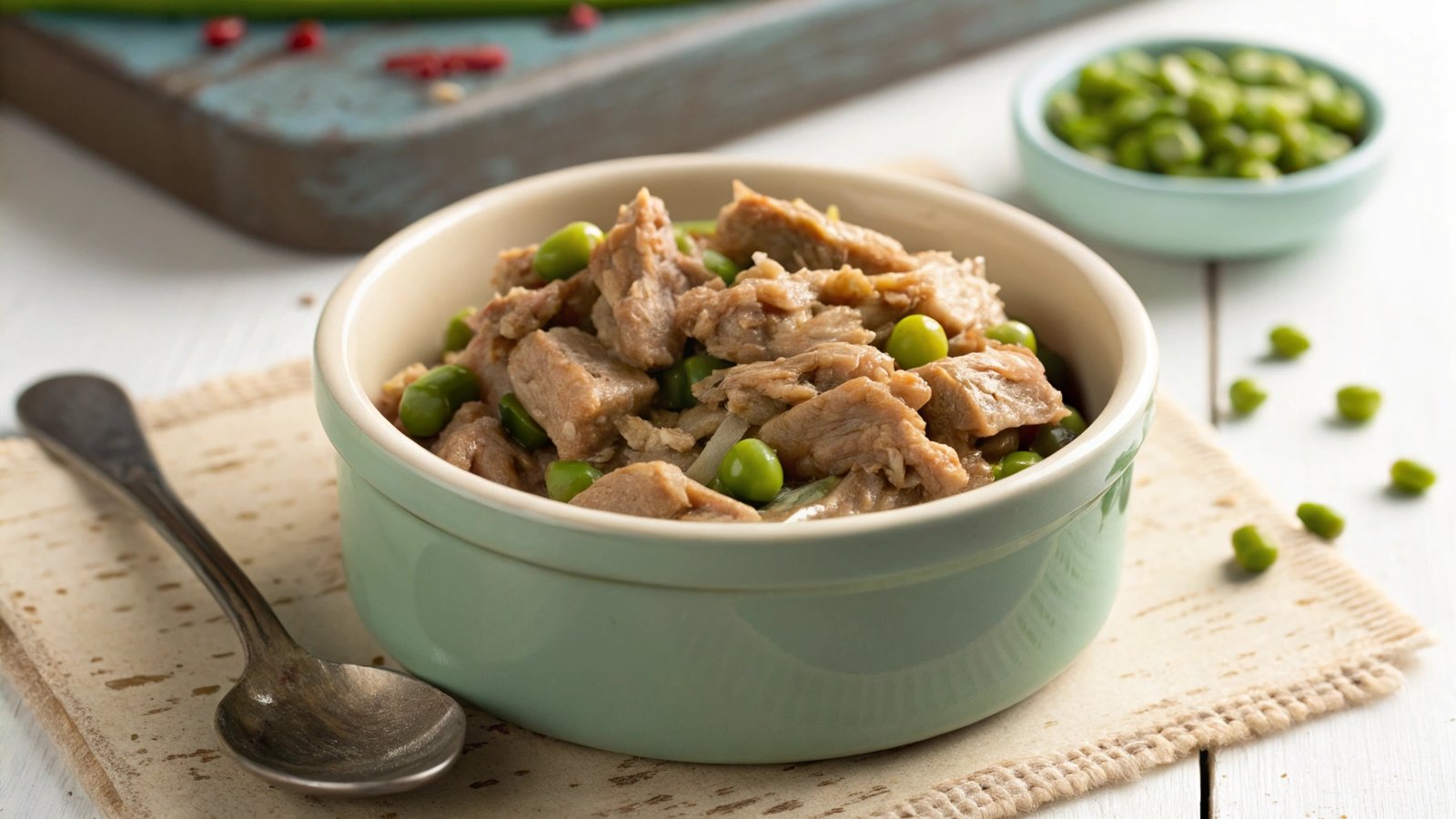
This Duck and Green Bean Cat Food became one of the most effective solutions I’ve personally used. It’s simple, nutrient-dense, and especially helpful for cats dealing with sensitivities or food intolerances.
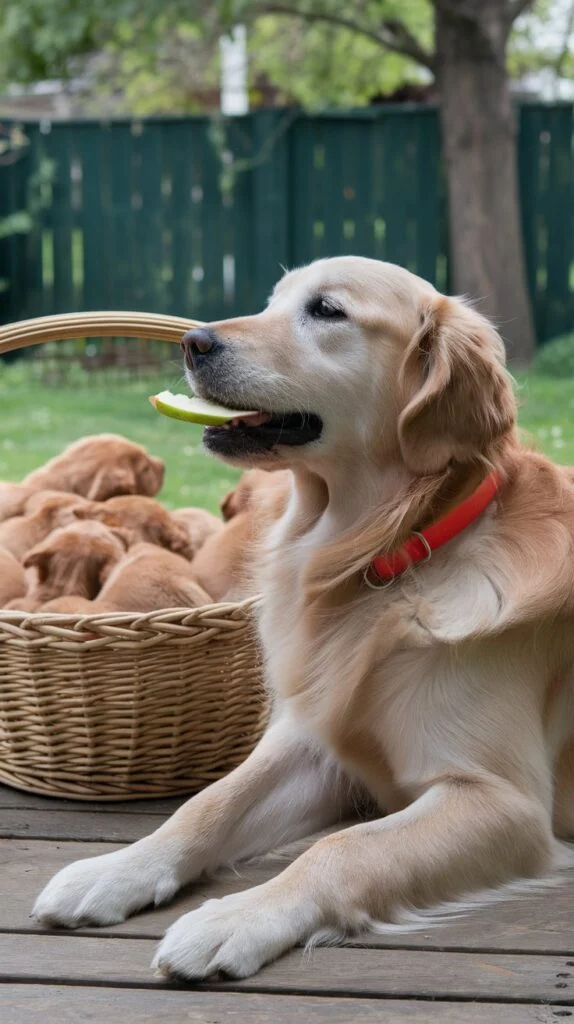
Interestingly, while this recipe is for cats, I’ve seen similar limited-ingredient diets used successfully in dogs. Research shows nearly 10% of dogs experience food allergies, and novel proteins like duck are commonly recommended by veterinarians for both species.
Duck is considered a “novel protein,” meaning it’s less commonly used in commercial foods, making it ideal for pets that react to chicken or beef. Combined with fiber-rich green beans, this recipe supports both digestion and overall gut health.
Recipe Overview
This Duck and Green Bean Cat Food is designed to be gentle on sensitive stomachs while still delivering essential nutrients. I prefer recipes like this because they reduce unnecessary fillers and focus only on what the pet actually needs.
The recipe uses just a few core ingredients: duck, green beans, and optional healthy fats. This limited-ingredient approach is widely recommended by vets when diagnosing or managing food allergies.
The soft texture makes it suitable for cats of all ages, including seniors or those with dental issues. I often use it as a primary meal during sensitive periods or mix it with regular food for variety.
Another benefit I’ve personally experienced is batch preparation. Making a slightly larger portion and freezing it saves time while ensuring I always have a safe, fresh option ready.
Why You’ll Love This Recipe
Digestive Support: Green beans provide natural fiber that promotes healthy digestion
Hypoallergenic: Duck is less likely to trigger allergic reactions
Freezer-Friendly: Easy to batch cook and store
Customizable: Can be adapted based on dietary needs
Cost-Effective: Often cheaper than specialized hypoallergenic foods
Essential Information Block
Prep Time: 10 minutes
Cook Time: 20 minutes
Total Time: 30 minutes
Yield: 4–6 servings
Shelf Life: 3–4 days refrigerated, up to 2 months frozen
Storage: Airtight containers or freezer-safe bags
Equipment Needed
From my experience, you don’t need anything complicated to make this work. Basic kitchen tools are more than enough.
You’ll need a cutting board, knife, mixing bowl, and a pan or pot for cooking. If your cat prefers smoother textures, a blender can help, but it’s not essential.
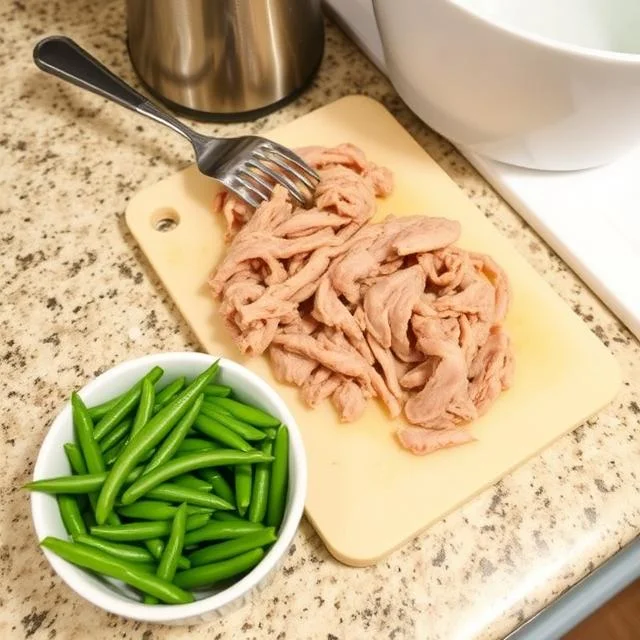
I’ve often just mashed everything with a fork, and it worked perfectly fine—especially for cats that enjoy a slightly chunkier texture.
Ingredients Section
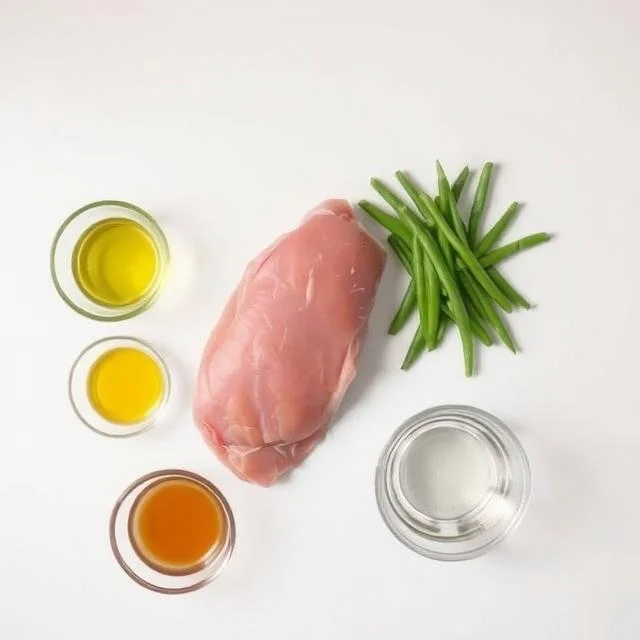
Main Components:
- 1 cup cooked duck (boneless, skinless)
- 1/4 cup chopped green beans (cooked)
- 1 teaspoon olive oil (optional)
- 1/4 cup water or low-sodium duck broth
Ingredient Notes:
Duck: Always use boneless, skinless meat and cook thoroughly to avoid health risks
Green Beans: Cook until soft and avoid seasoning completely
Olive Oil: Adds healthy fats that support skin and coat health
Expert Tips (Before Instructions)
From personal experience, small adjustments can make a big difference in how well your cat accepts new food.
Cook Duck Thoroughly: Never serve undercooked meat
Use Plain Vegetables: Avoid salt, spices, or oils
Adjust Texture: Blend for smoother consistency if needed
Introduce Slowly: Gradually mix with existing food to avoid digestive upset
A useful insight from veterinary nutrition studies: sudden diet changes are one of the leading causes of digestive upset in pets. I always transition over 3–5 days to be safe.
Instructions
Cook the Duck: Cook thoroughly until no pink remains and shred finely
Cook the Green Beans: Boil or steam until soft, then chop
Mix Ingredients: Combine duck, green beans, oil, and liquid
Blend if Needed: Adjust texture based on your cat’s preference
Serve or Store: Serve fresh or store appropriately
Variations and Substitutions
Protein Alternatives: Turkey or rabbit work well as novel proteins
Vegetable Alternatives: Pumpkin or sweet potato can replace green beans
Nutritional Add-Ins: Taurine supplement can help balance homemade diets
I’ve personally rotated proteins every few weeks, which can help reduce the risk of developing new sensitivities over time.
Pro Tips and Success Secrets
Batch Preparation: Prepare larger portions and freeze in small servings
Serving Tip: Slightly warming food enhances smell and acceptance
Storage Tip: Label containers with dates for freshness tracking
Serving Guidelines
Small Cats: 1/4–1/3 cup per meal
Large Cats: Up to 1/2 cup per meal
Daily Feeding: 2–3 meals depending on activity level
Always monitor your cat’s weight and adjust portions accordingly. Maintaining a healthy weight is critical—studies show over 50% of domestic cats are overweight, which can worsen digestive and health issues.
Common Questions
Can I use raw duck?
No, I never recommend raw duck due to bacterial risks
Can I substitute green beans?
Yes, but only use plain, cooked, pet-safe vegetables
How do I know if my cat likes it?
Start small and observe their reaction—most cats respond well to duck’s rich flavor
All content on this site is written and reviewed by our experienced team to ensure it is accurate, reliable, and helpful for our readers. Our Our Process page explains how we carefully research and create high-quality content, while our Team page introduces the professionals behind our work. We also provide clear guidelines for content or image concerns on our Image Removal page, so you can trust that we prioritize transparency, quality, and reader safety.