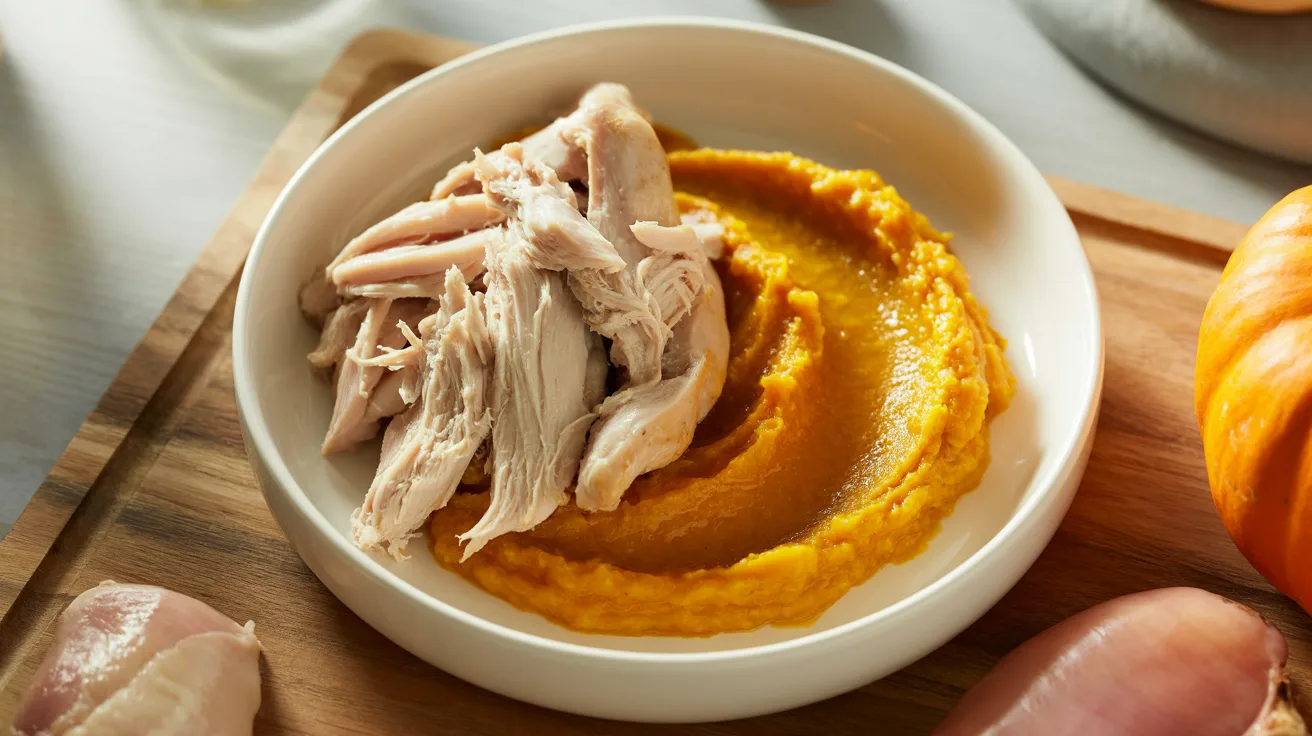
Shredded Chicken Thigh & Pumpkin Mash: A Simple, Nutritious Cat Meal
Why It’s Awesome
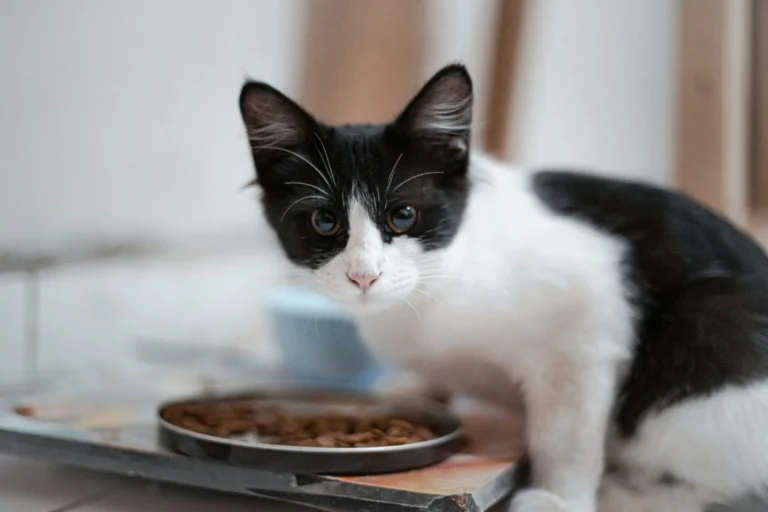
Over the past decade caring for cats of all ages, I’ve learned that they are surprisingly particular about what they eat. When I first tried making the Shredded Chicken Thigh & Pumpkin Mash, I was amazed at how eagerly my cats devoured it. This recipe checks all the boxes: it’s simple, quick, nutritious, and ideal for cats with sensitive stomachs.
Chicken thighs are a powerhouse of protein and healthy fats, which I’ve personally seen make a noticeable difference in my cats’ coat shine and muscle tone. Pumpkin is a gentle fiber source that aids digestion, which is a lifesaver during shedding season or when hairballs are a concern. In my experience, combining these two ingredients creates a meal that’s both irresistible and easy on the tummy.
This dish also has the added benefit of being extremely budget-friendly and straightforward to make. No fancy equipment or complicated techniques are needed, and even a beginner cat parent can get it right the first time. And trust me—your cat will notice the difference immediately, often following me around the kitchen with unmistakable anticipation.
Key Takeaways
- Shredded chicken thighs provide high-quality protein and healthy fats for strong muscles and shiny fur.
- Pumpkin is an excellent fiber source to aid digestion and hairball management.
- Simple, three-ingredient recipes like this are easy for even beginner cat parents to prepare.
- Cats prefer food at room temperature; serving it too hot can deter them from eating.
- Proper storage and portioning allow for quick, safe homemade meals for up to a month.
Ingredients
I always keep this recipe simple, because cats don’t need complicated flavors to be happy. Here’s what I use:
- 1 medium chicken thigh (boneless, skin removed)
- 1/4 cup pumpkin puree (plain, not pie filling)
- 1/4 cup water or low-sodium chicken broth
That’s it. Three ingredients, and in my experience, cats love it every single time.
Step-by-Step Instructions
Cook the chicken thigh
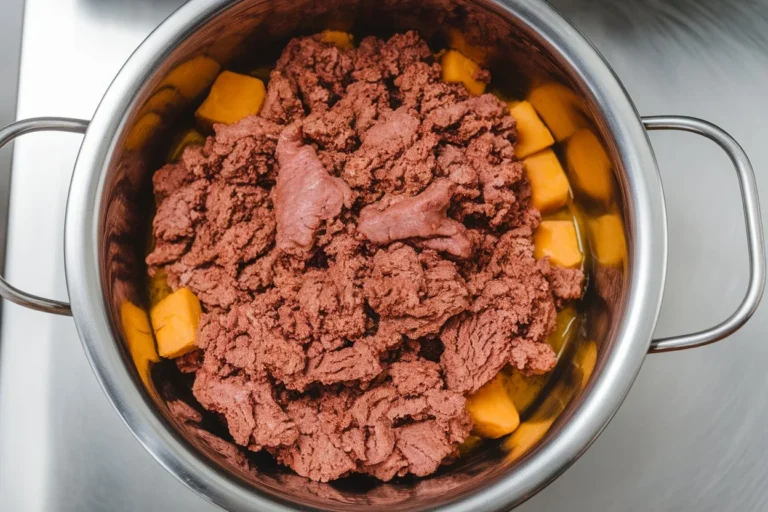
From years of feeding cats, I’ve learned that fully cooking poultry is essential. I place the chicken thigh in boiling water and cook for about 10–12 minutes until it’s completely opaque and no pink remains. This ensures my cats don’t risk bacterial infections like Salmonella.
Shred the chicken
After it’s cooled for a few minutes, I shred it into tiny, bite-sized pieces. I make them small enough so even my senior cats with sensitive teeth can enjoy without difficulty.
Prepare the pumpkin mash
In a small bowl, I mix the pumpkin puree with water or chicken broth to achieve a smooth, mashable consistency. Cats prefer slightly moist food, so I adjust the liquid as needed. Too thick can be hard to scoop; too thin can be messy.
Combine like a pro
Next, I gently fold the shredded chicken into the pumpkin mash until it’s evenly mixed. I’ve noticed cats tend to eat this more readily when the textures are uniform.
Serve it up
I always let the mixture cool to room temperature. I’ve learned from experience that cats will often sniff and walk away if their food is too hot. Once at the right temperature, they dive in with obvious delight.
Common Mistakes
Using pumpkin pie filling
I can’t stress this enough: pie filling contains sugar and spices that are harmful to cats. Plain pumpkin puree is the only safe option.
Leaving the skin on the chicken thigh
While chicken skin is tasty for humans, it’s far too fatty for cats. I always remove it to prevent digestive upset and maintain healthy weight.
Serving it too hot
Cats are very sensitive to temperature. I’ve seen even my hungriest cats reject food that’s steaming. Always serve at room temperature.
Adding seasonings
Cats don’t need spices, salt, or pepper. I stick with the natural flavors, which they genuinely love.
Storage Tips
I often make several portions at once to save time:
- Fridge: Store in an airtight container for up to 3 days.
- Freezer: Freeze single servings in ice cube trays or small containers for up to a month. Thaw in the fridge overnight before serving.
Labeling containers is a lifesaver—I’ve accidentally used my own pumpkin mash for pies before realizing the mix-up!
Alternatives
If you don’t have chicken thighs on hand, I’ve successfully used:
- Chicken drumsticks (bones removed)
- Turkey thigh (similar protein and fat content)
- Lean beef mince (cats with a preference for red meat often prefer this)
For the pumpkin, I sometimes swap with:
- Butternut squash puree (slightly sweeter)
- Sweet potato mash (fiber-rich and gentle on the tummy)
FAQ
Can I use raw chicken for this recipe?
No. I’ve had cats get sick from undercooked poultry before, so I always fully cook chicken to ensure safety.
Is this a complete meal?
Not entirely. I use this as a supplement or treat alongside a high-quality cat food to ensure my cats receive all essential nutrients.
How often can I feed this to my cat?
Once or twice a week is perfect. Overfeeding homemade recipes can create nutritional imbalances if used as a sole diet.
What if my cat doesn’t like pumpkin?
I’ve found butternut squash or sweet potato often works as a substitute. If they still resist, adjusting the ratio of chicken to mash usually solves the issue.
Final Thoughts
After years of feeding and caring for cats, I can honestly say that Shredded Chicken Thigh & Pumpkin Mash is one of the easiest and most rewarding homemade meals I’ve made. It’s healthy, affordable, and even my pickiest cats eat it enthusiastically. Preparing this dish has transformed feeding time into a bonding ritual, and I’ve seen real improvements in coat quality, digestion, and overall vitality. Try it for your feline friend—you might just become their personal chef too.