6 Soft Cat Food Recipes You Need To Know
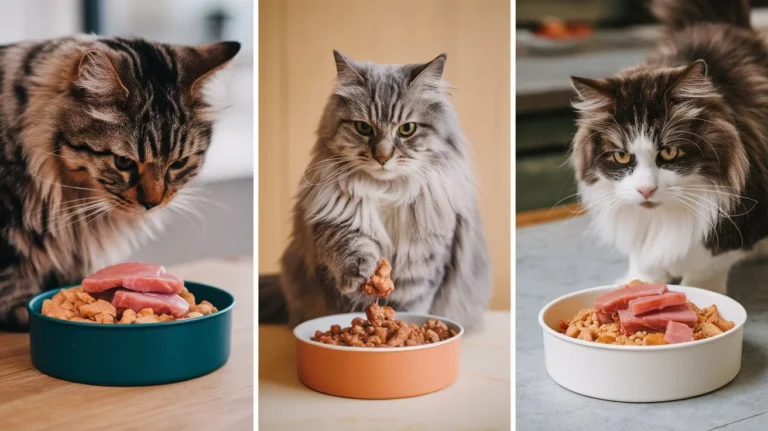
Cats are HARSH critics, right? After more than a decade of sharing my life with cats—feeding them daily, managing picky eaters, caring for seniors, and dealing with sensitive stomachs—I can say this with confidence: cats will absolutely let you know when a meal doesn’t meet their standards. One day they’ll purr through dinner, and the next they’ll stare at the bowl like you’ve personally offended them.
When store-bought food stops working, homemade soft cat food can be a game changer. I’ve used these recipes over the years to help cats with dental issues, digestion trouble, post-illness recovery, and plain old boredom. Soft food is easier to eat, easier to digest, and lets you control exactly what goes into your cat’s bowl.
Key Takeaways
- Cats thrive on moisture-rich, meat-based diets
- Soft food is especially helpful for senior cats and those with dental or digestive issues
- Simple ingredients reduce the risk of food sensitivities
- Homemade food should be gently cooked and unseasoned
- These recipes are best used as rotation meals or supplements, not full replacements
1. Chicken & Pumpkin Purée
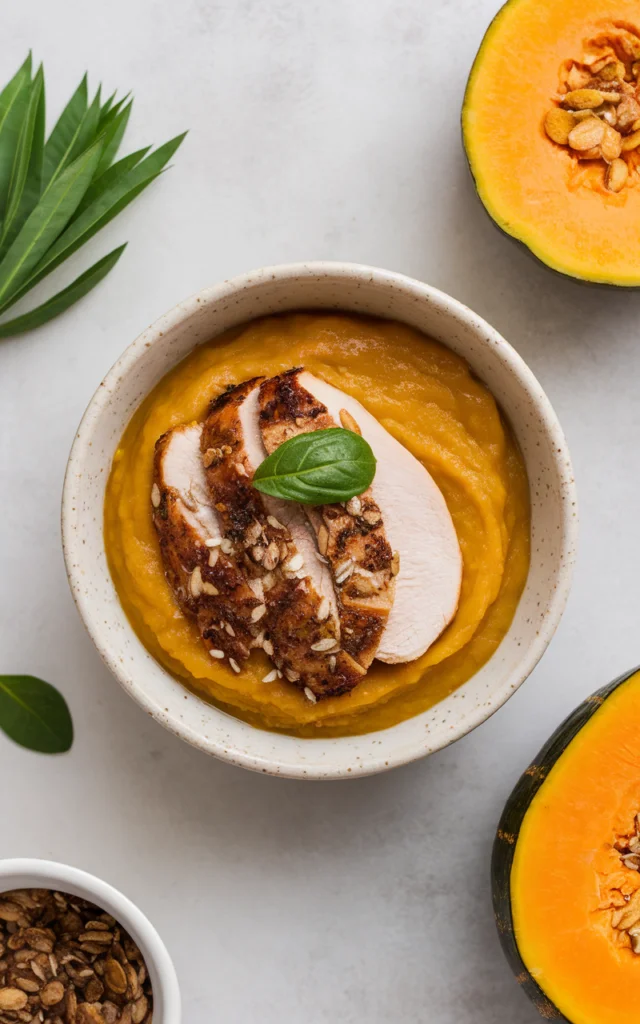
This recipe has been a staple in my home whenever a cat needs digestive support. Pumpkin provides gentle fiber, while chicken is one of the easiest proteins for cats to digest. I’ve used this during recovery periods and mild stomach upsets with great success.
Ingredients
- 1 cup cooked chicken (shredded)
- 1/4 cup canned pumpkin (unsweetened)
- 1 tablespoon chicken broth (low sodium)
Instructions
- Shred the cooked chicken into small, bite-sized pieces
- Mix the chicken with the pumpkin in a bowl
- Add the chicken broth until the mixture reaches a soft purée consistency
- Serve at room temperature
Warming this slightly often helps—cats rely heavily on aroma, and warm food smells more appealing.
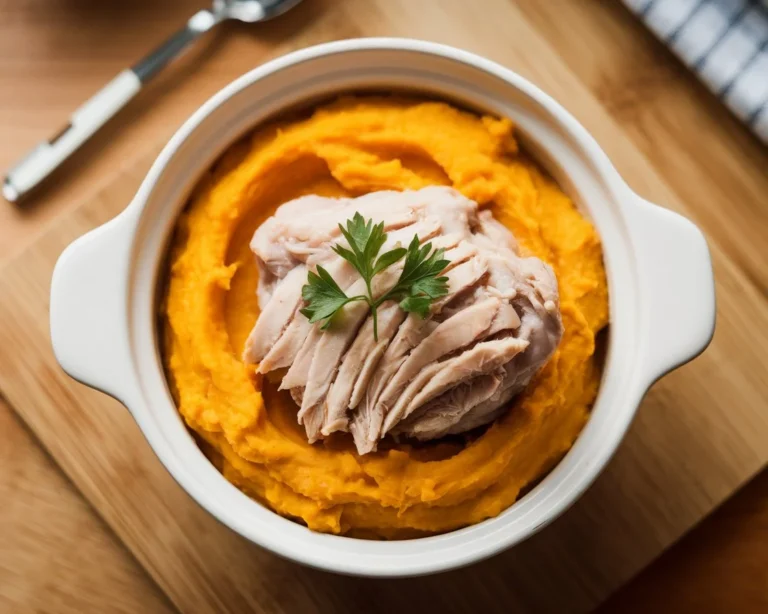
2. Tuna & Sweet Potato Mash
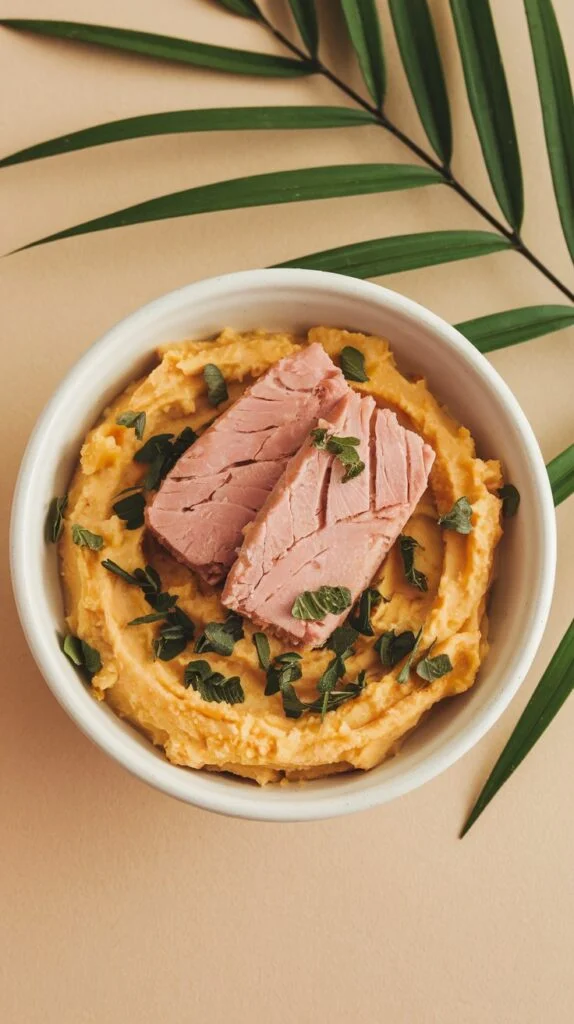
This is one I reserve for occasional meals. Tuna is highly palatable, and sweet potato adds gentle carbs and fiber. In my experience, cats recovering from poor appetite often respond well to this combination.
Ingredients
- 1/2 cup canned tuna (in water, no salt added)
- 1/4 cup cooked sweet potato (mashed)
- 1 teaspoon olive oil
Instructions
- Drain and flake the tuna
- Mash the sweet potato until smooth
- Combine tuna and sweet potato, then stir in olive oil
- Serve immediately
Fish should stay in moderation—excessive tuna intake has been linked to nutritional imbalances in cats.
3. Turkey & Carrot Delight
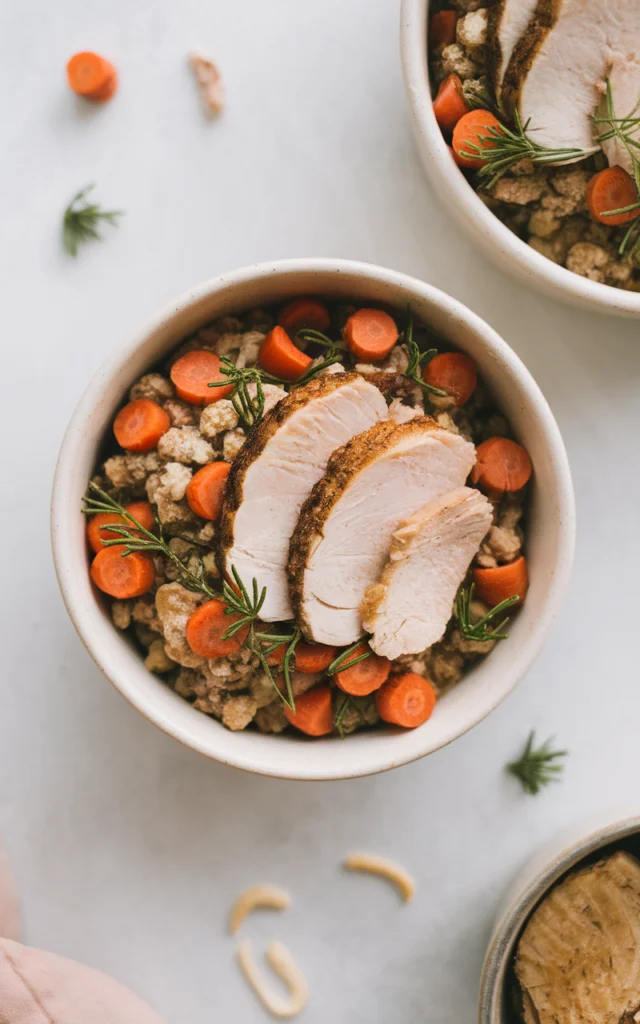
Turkey is a lean, digestible protein I’ve used for cats that don’t tolerate chicken well. Carrots add mild fiber and natural sweetness when cooked thoroughly.
Ingredients
- 1 cup cooked turkey (shredded)
- 1/4 cup cooked carrots (mashed)
- 2 tablespoons turkey broth (low sodium)
Instructions
- Shred the cooked turkey into small pieces
- Mash the carrots until smooth
- Combine turkey and carrots, adding broth for moisture
- Serve at room temperature
Texture matters—some cats prefer this very smooth, so blending is an option.
4. Salmon & Spinach Surprise
This recipe supports skin and coat health thanks to omega-3 fatty acids. I’ve noticed visible coat improvement in cats after rotating salmon-based meals once a week.
Ingredients
- 1/2 cup cooked salmon (flaked)
- 1/4 cup steamed spinach (chopped)
- 1 teaspoon fish oil (optional)
Instructions
- Flake the cooked, boneless salmon
- Finely chop the cooked spinach
- Mix together and add fish oil if needed
- Serve at room temperature
Spinach should always be limited—cats are obligate carnivores, and greens are only a small add-on.
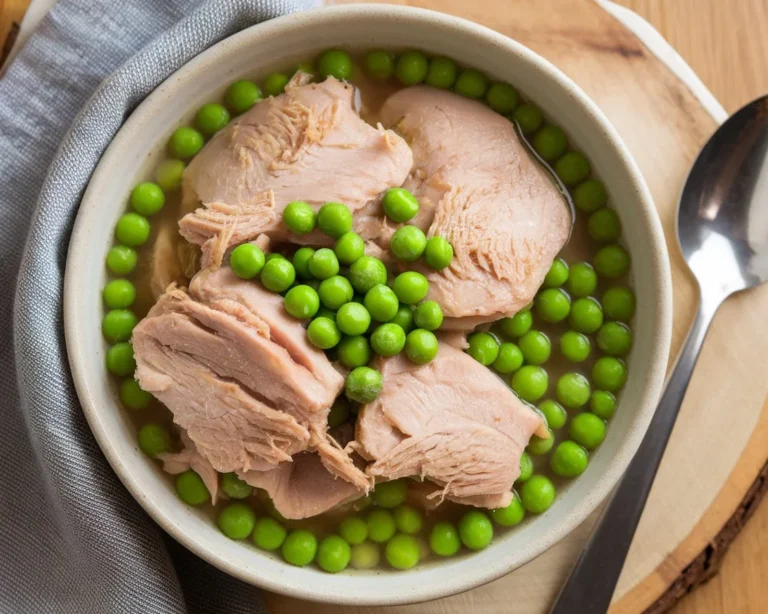
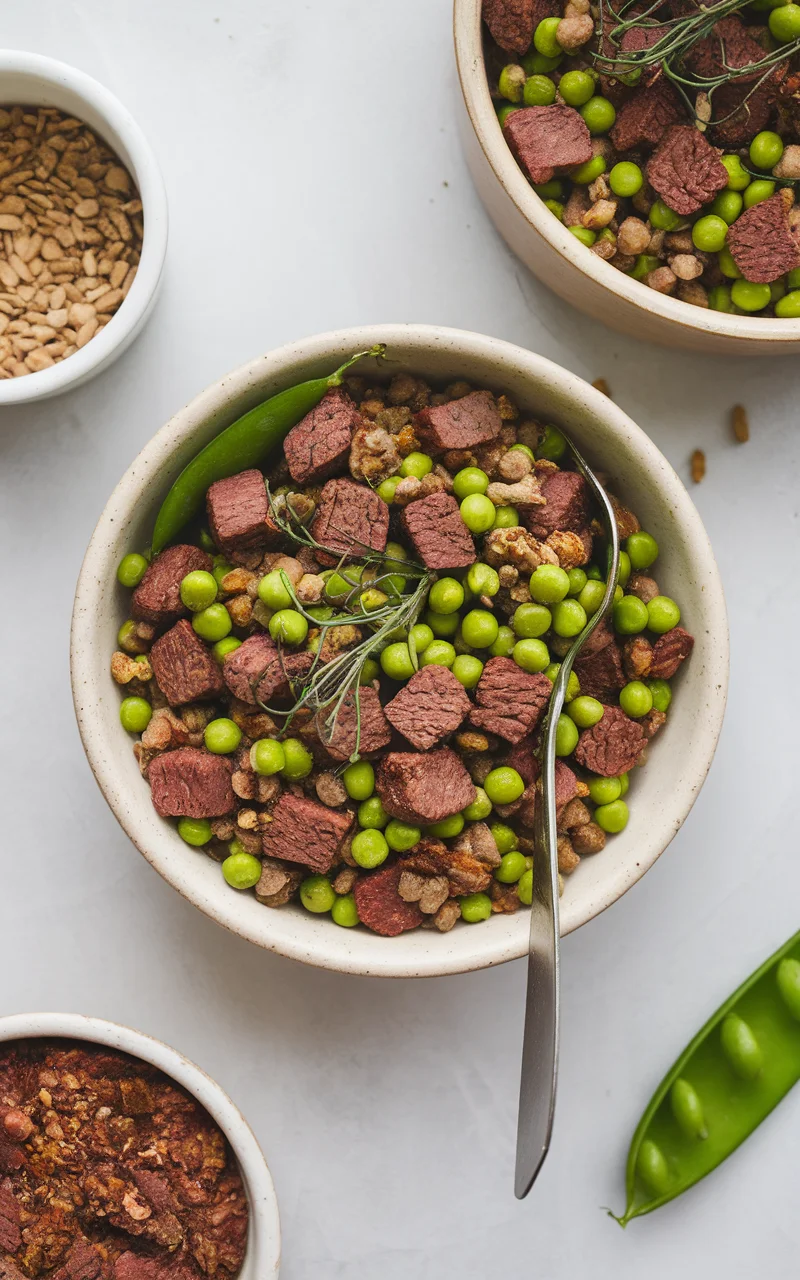
5. Beef & Pea Medley
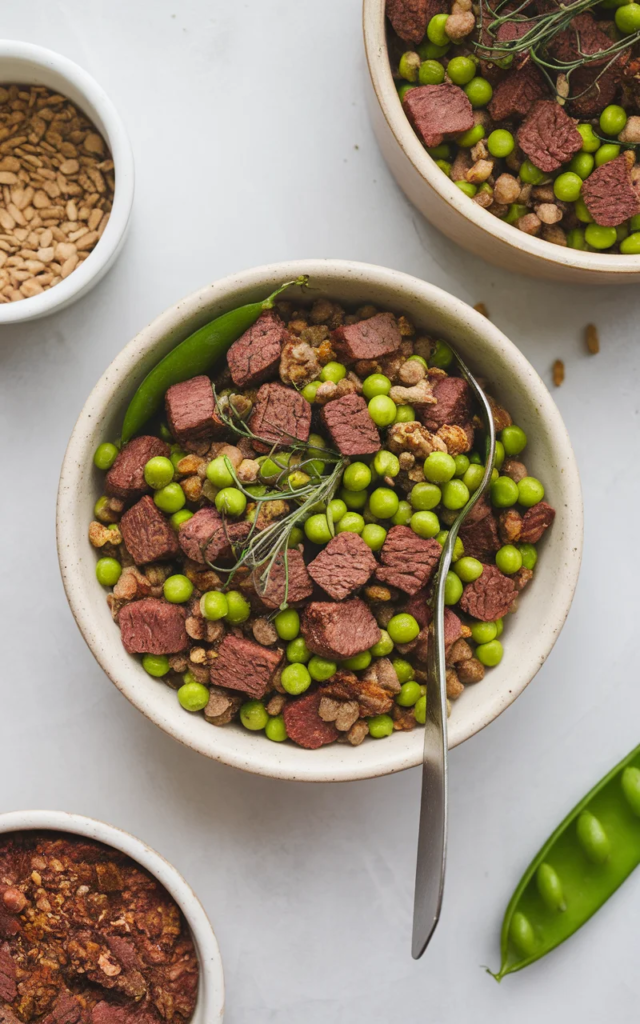
For active or underweight cats, this meal offers dense protein and energy. I’ve used lean beef meals successfully with cats that needed to regain strength.
Ingredients
- 1 cup cooked ground beef (lean)
- 1/4 cup cooked peas (mashed)
- 1 tablespoon beef broth (low sodium)
Instructions
- Cook beef thoroughly and drain excess fat
- Mash peas until soft
- Combine beef and peas with broth
- Serve warm or at room temperature
Always choose lean beef—cats don’t handle excessive fat well.
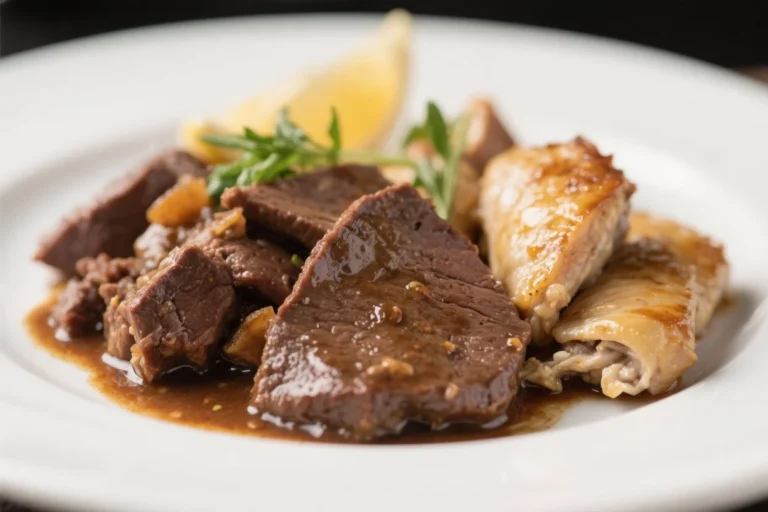
6. Chicken Liver Pâté
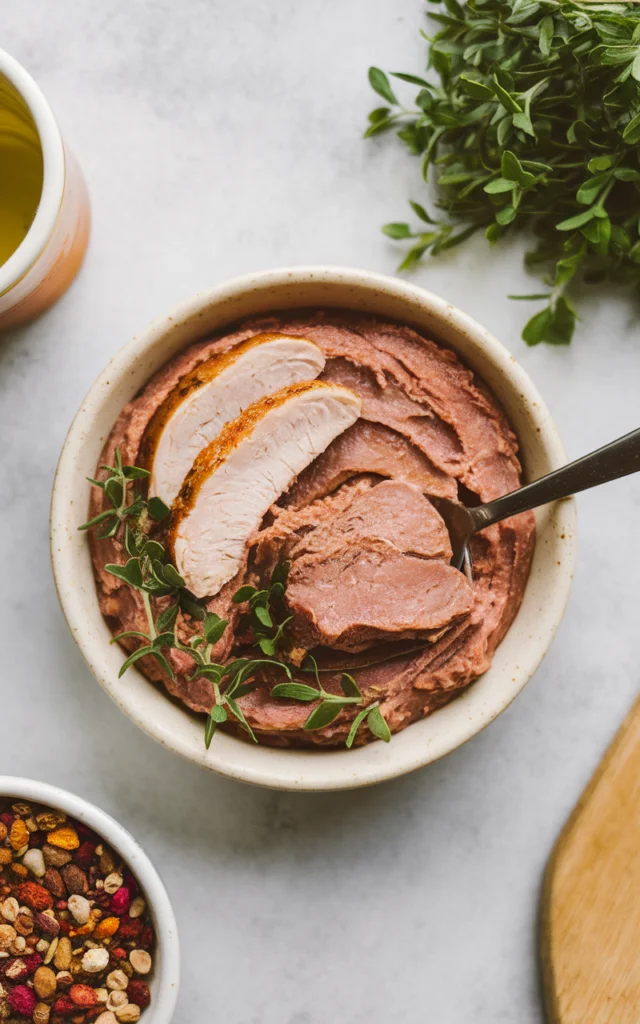
This is a powerful recipe I use sparingly. Liver is incredibly nutrient-dense, and cats usually love the taste. In my experience, small portions go a long way.
Ingredients
- 1/2 cup chicken liver (cooked)
- 1 tablespoon unsalted butter
- 1 tablespoon chicken broth (low sodium)
Instructions
- Cook liver thoroughly and allow it to cool
- Blend liver, butter, and broth until smooth
- Serve small portions only
Too much liver can lead to vitamin A excess, so moderation is essential.
FAQs
1. Can I feed my cat homemade food every day?
Homemade food can be fed regularly only if it’s nutritionally complete. Otherwise, use these recipes as rotation meals alongside a balanced diet.
2. How long can I store homemade cat food?
Most cooked homemade cat food keeps 3–4 days refrigerated. I freeze individual portions for up to 2 months.
3. Can I use raw meat in these recipes?
I don’t recommend it. Raw meat increases bacterial risk for both cats and humans.
4. Are these recipes suitable for kittens?
Kittens need higher levels of specific nutrients. Always consult a vet before feeding homemade food to kittens.
5. Can I add spices to my cat’s food?
No. Cats should never consume spices, onions, garlic, or seasoning blends.
6. What if my cat doesn’t like the food?
Try adjusting texture, warming slightly, or mixing small amounts into familiar food over 5–7 days.
7. Is homemade cat food cheaper than store-bought?
It can be, but the real benefit is ingredient control and freshness—not cost alone.
Final Thoughts
Making soft cat food at home has been one of the most rewarding parts of caring for my cats over the years. These recipes are simple, gentle, and adaptable, making them ideal for picky eaters, seniors, and cats with mild sensitivities. Start slow, observe your cat’s response, and always prioritize balance and safety.